
Picking
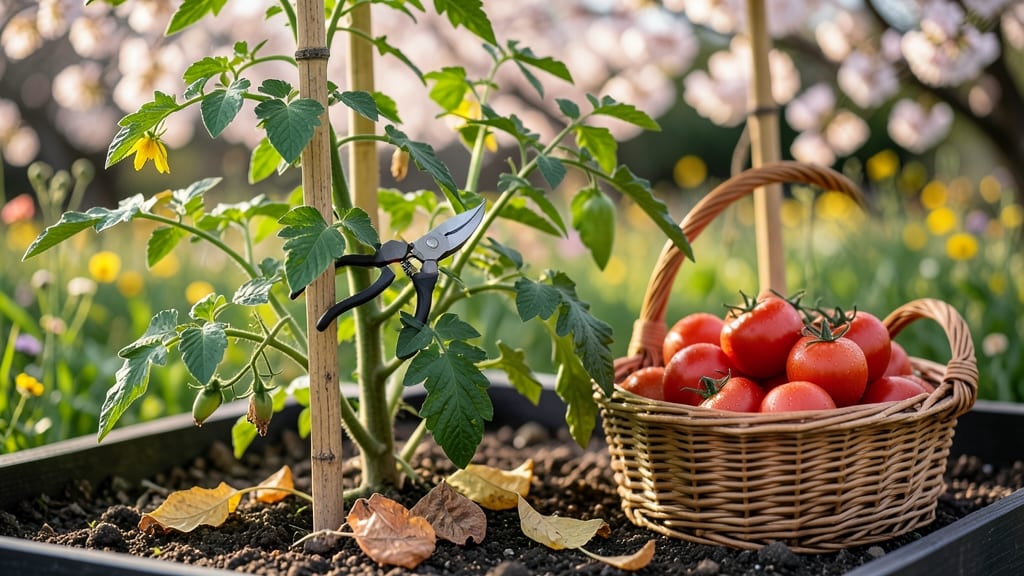
Mastering tomato plant harvesting at the perfect moment transforms a good season into an extraordinary one. 🌱 I've learned the hard way that waiting too long means mealy fruit, while picking too soon steals sweetness—there's a sweet spot, and I'll show you exactly how to find it for every variety in your garden.
The key is color, texture, and scent: ripe tomatoes blush deep red (or yellow, purple, or green, depending on the type), give slightly to gentle pressure, and smell sweetly fruity. Use sharp pruners or a knife to avoid damaging the plant—never twist or pull, which tears stems and invites disease.
For heirlooms and beefsteaks, harvest when fully colored but still firm; cherry tomatoes are ready when they're uniformly colored and plump.
Once picked, store tomatoes at room temperature away from direct sun—they won't ripen further but maintain peak flavor for 3-5 days. For longer storage, refrigerate only after they've fully ripened (cold turns them mealy), or process them into sauces, salsas, or sun-dried slices.
The difference between store-bought blandness and homegrown perfection comes down to these simple choices.
Season matters too: early-season varieties like 'Stupice' ripen faster but need consistent checks, while late-season 'Brandywine' tomatoes can wait until first frost. And here's the secret weapon—harvest in the morning when temperatures are coolest for the freshest flavor.
Now let's get those tomatoes off the vine before they decide to ripen on their own terms.
📚 In This Guide
- What you need
- Instructions
- Tips and common mistakes
- Wrapping up and next steps
What you need
- ● Harvesting Tools: Sharp pruning shears (or garden scissors) – 1 pair (6-inch blades preferred for precision).
- ● Clean gardening gloves (nitrile or cotton) – 1 pair (to protect hands from thorns and dirt).
- ● Small bucket or basket (10–15 gallons) – 1–2 (for collecting ripe tomatoes).
- ● Harvesting knife (serrated blade) – 1 (for cutting stems cleanly).
- ● Storage & Prep Supplies: Wooden crates or ventilated boxes (12"–18" deep) – 2–3 (for curing tomatoes).
- ● Paper towels or burlap sacks – 1 roll or 2–3 sacks (for gentle handling).
- ○ Food-safe spray bottle (for light misting) – 1 (optional, for humidity control).
- ○ Optional (But Helpful!) Extras: Harvesting apron (with pockets for tools).
- ● Digital scale (for weighing large batches).
- ● Labeling tags (to track tomato varieties).
- ● Solar food dehydrator (for long-term storage).
- ● Know your tomato variety (determinate vs. indeterminate) to time harvests correctly.
- ● Check weather forecasts – avoid harvesting after rain or extreme heat (🌡️ <75°F is ideal).
- ● Have a dedicated workspace near your garden for efficiency.
- ● Sanitize tools with rubbing alcohol or soapy water before and after use.
Step-by-step guide to harvesting tomatoes at peak flavor
Here's how I ensure every tomato I pick tastes as fresh as the day it ripened on the vine.
🍅 Step 1: Identify the Perfect Ripeness Stage
Tomatoes ripen in stages, and each variety has its own ideal time to harvest. For most slicing tomatoes, look for a deep, uniform color—red for heirlooms, yellow when fully ripe, or purple for black varieties. The real test is the gentle give when pressed: ripe tomatoes yield slightly to pressure like a ripe avocado.
Check for a sweet, floral aroma at the stem end—this is your best indicator of peak flavor. If the tomato smells bland or vegetal, it needs more time. I always harvest in the morning when temperatures are cooler, which preserves sugars and acids better than afternoon heat.
✂️ Step 2: Use the Right Technique to Avoid Damage
Never twist or pull tomatoes—they bruise easily and rot faster. Instead, use a pair of clean, sharp pruners or your thumb and forefinger to pinch the stem just above where it meets the fruit. A clean break prevents disease entry points and keeps the plant healthy for future production.
Leave a ¼-inch stem attached to each tomato. This small detail makes all the difference in storage life—tomatoes with stems stay fresher longer. I also avoid handling tomatoes by their blossom ends (the opposite end from the stem) because this side bruises more easily.
🪴 Step 3: Handle and Store for Maximum Freshness
Place freshly harvested tomatoes in a single layer on a tray or in a shallow container. Crowding causes bruising and speeds up spoilage. Store them at room temperature (around 65-75°F) away from direct sunlight—this is crucial for developing full flavor. Never refrigerate tomatoes until they're fully ripe unless you're storing them long-term.
For tomatoes that need to ripen further, I place them in a paper bag with a banana or apple. The ethylene gas from the fruit speeds up ripening naturally. Check daily and remove any overripe tomatoes immediately to prevent spoilage from spreading to others.
💧 Step 4: Preserve Excess Tomatoes for Later Use
When your harvest exceeds what you can use fresh, preservation becomes key. For whole tomatoes, I blanch them in boiling water for 30 seconds, then plunge into ice water to stop cooking. Pack them into jars with a little water or tomato juice, leaving ½-inch headspace, then process in a boiling water bath for 45 minutes (adjust for altitude).
For sauces or salsas, I peel, seed, and chop tomatoes immediately after harvest, then freeze in 1-cup portions in airtight containers. This method locks in flavor better than canning for quick meal prep. Label everything with the date—properly stored, these will keep for 6-12 months in the freezer.
🌱 Step 5: Encourage More Production After Harvest
After harvesting, inspect your tomato plants for any damaged or diseased leaves and prune them immediately. This prevents energy drain and keeps the plant focused on producing more fruit. I also fertilize with a balanced, low-nitrogen fertilizer (like 5-5-5) to replenish nutrients lost during harvest.
Water deeply at the base of the plant once a week (adjust for rainfall) to encourage deeper root growth. Avoid wetting leaves to prevent fungal diseases. With proper care, a well-maintained tomato plant can keep producing for 4-6 weeks after the first harvest, sometimes even into frost if you're in a mild climate.
Tips & tricks for perfect tomato plant harvesting
Took me years to figure out these tricks—here's how I guarantee tomatoes taste like they just ripened on the vine.
Harvest Timing: Morning is your golden window for harvesting. The cooler temperatures preserve the sugars and acids that develop overnight, giving you that perfect balance of sweetness and tang. If you must harvest later in the day, work in the shade to prevent the tomatoes from overheating, which can make them mealy. I've learned this the hard way after picking tomatoes at noon and ending up with flavorless results.
Ripeness Test: The gentle give is your best friend—press the tomato gently near the stem. It should yield slightly, like a ripe avocado, but not feel mushy. For heirlooms, look for a deep, even color all the way around, not just on the side facing the sun. I always double-check with the aroma test: a sweet, floral scent at the stem end means peak flavor. If it smells bland, it's not ready yet.
Preservation Hack: When blanching whole tomatoes for canning, don't skip the ice water bath. This stops the cooking process instantly, preserving color and texture. I also add a pinch of salt to the blanching water—it helps firm up the skins and keeps them looking fresh. After processing for the full 45 minutes, let jars cool completely before storing to prevent spoilage.
Storage Wisdom: Room temperature is key for developing full flavor, but don't crowd them. Place tomatoes in a single layer with space between each one to prevent bruising. If you must refrigerate, wait until they're fully ripe—cold temperatures can turn their flesh mealy. For long-term storage, freeze chopped tomatoes in 1-cup portions with a splash of lemon juice to prevent browning and preserve color.
Pro Tips for Tomato Plant Harvesting
- Took me years to figure out these tricks—here's how I guarantee tomatoes taste like they just ripened on the vine.
- Harvest Timing: Morning is your golden window for harvesting.
- Ripeness Test: The gentle give is your best friend—press the tomato gently near the stem.
Frequently asked questions
about tomato plant harvesting—because even the greenest thumbs deserve answers!When is the best time of day to harvest tomatoes?
Harvest tomatoes in the morning when temperatures are cooler (60–75°F). This preserves flavor, firmness, and reduces bruising. Avoid midday heat, which can cause sunscald or split fruit. Pro tip: Pick when tomatoes are fully colored and slightly soft to the touch—never before!
How do I know if my tomatoes are ripe enough to pick?
Ripe tomatoes should be firm but yielding, with vibrant color (red, yellow, or heirloom hues). Gently squeeze—if they give slightly, they’re ready! Check for a slightly sweet aroma near the stem. Heirloom varieties may ripen unevenly; harvest when 70% of the fruit is colored for best results.
What should I do if my tomatoes split before harvesting?
Split tomatoes are still edible! Harvest them immediately to prevent further damage. Use them in sauces, salsas, or juices where texture isn’t critical. To avoid splits, ensure consistent watering (deep but not excessive) and mulch to stabilize soil moisture.
Can I harvest tomatoes that are still green or partially ripe?
Yes! Green or breaker tomatoes (starting to color) can ripen off the vine in a cool, dark place (like a paper bag with a banana for ethylene gas). Avoid refrigeration—it ruins flavor. For best results, use a ripening box (wooden crate with newspaper) to speed up the process.
How do I pick tomatoes without damaging the plant?
Use a sharp knife or pruners to cut stems cleanly, leaving a small portion attached. Avoid twisting or pulling—this can harm the plant. For cherry tomatoes, gently pinch the stem at the base. Always harvest from the bottom up to encourage new growth!
Wrapping up and next steps
Harvesting your tomato plants at the right time ensures bursting flavor and long-lasting freshness—whether you’re savoring them straight off the vine or preserving them for later. 🍅 With the perfect mix of ripeness, gentle handling, and smart storage, you’re well on your way to turning your garden into a culinary treasure trove.
Now that you’re armed with the know-how, grab those baskets and enjoy the fruits of your labor—literally!
Ready to take it further? Experiment with recipes, share your bounty with neighbors, or even try preserving techniques like canning or drying. Your tomato harvest is just the beginning!