
Watering
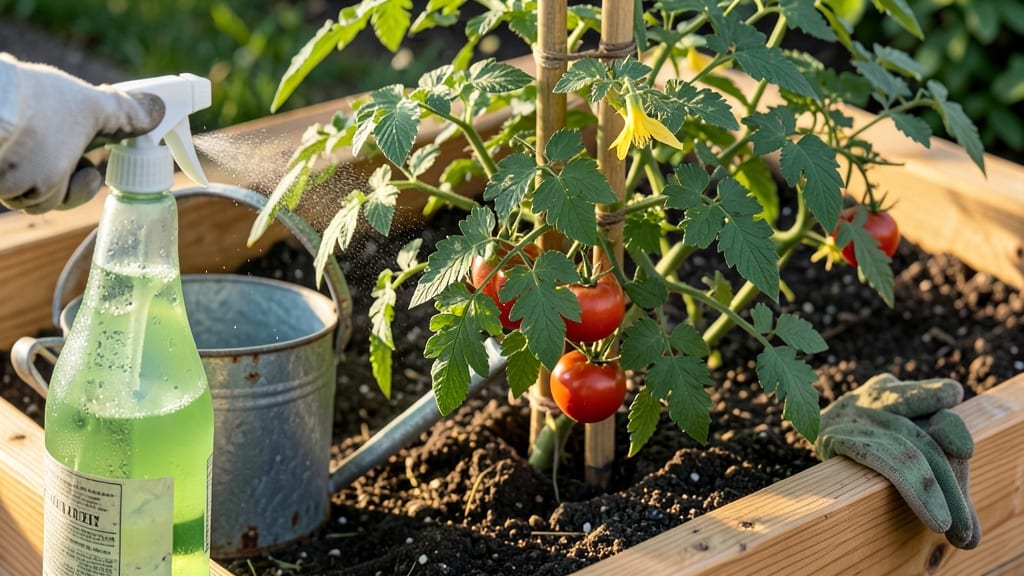
When fungal blight threatens your tomato plants, a simple soapy water spray can save your harvest in minutes. 🌱 I’ve used this trick after losing entire plants to blight—once you see the difference, you’ll never ignore those early signs again.
The key is the right mix: mild soap, water, and a few extra ingredients that make all the difference.
This isn’t just about stopping blight—it cleans leaves of dust and pests like aphids, letting sunlight and air reach where they’re needed. The solution is cheap, organic, and fast, but only if you follow the exact ratios.
Too much soap can burn leaves, while too little won’t work. I’ll show you the perfect balance and when to apply it for maximum impact.
By the end, you’ll have glossy, healthy leaves that repel pests and resist disease, with tomatoes ripening faster than ever. The best part? You’ll spend less than $5 on supplies you likely already have. Just don’t skip the final rinse—your plants will thank you.
Works for organic gardens, container plants, and even indoor tomatoes. Here’s exactly how to do it right the first time—no guesswork, no wasted effort.
📚 In This Guide
- What you need
- Instructions
- Tips and common mistakes
- Wrapping up and next steps
What you need
- ● Mild liquid dish soap – 1–2 tablespoons (choose a biodegradable, plant-safe brand like Dawn Free & Gentle or Castile soap). Avoid harsh detergents!
- ● Water – 1 gallon (3.8 liters) of lukewarm or room-temperature water (never hot!).
- ● Spray bottle or garden sprayer – 1–2 quarts (0.9–1.9 liters) capacity for even application. A hose-end sprayer works for larger plants.
- ● Tomato plants – Healthy or early-stage blight-affected plants (for prevention or mild cases).
- ● Gloves – Protect your hands from soap residue.
- ● Funnel – For mixing soap into the sprayer without spills.
- ● Measuring cup/spoon – Ensures precise soap-to-water ratios.
- ● Pruners – For trimming heavily infected leaves (if needed) before spraying.
- ● Sunny day – Best to spray in the morning or late afternoon to avoid burning leaves.
Step-by-step guide to using soapy water for tomato plants
Here's how I protect my tomato plants from fungal blight using a simple, fast method.
🌿 Step 1: Mix the Soapy Water Solution
Fill a 1-gallon spray bottle with warm water—never hot, as it can damage leaves. Add 1 tablespoon of mild liquid soap (like Castile or dish soap) per gallon. Stir gently to create a uniform solution. The soap disrupts fungal spores on contact, but too much can harm plants, so stick to this ratio.
I like to mix this on a cloudy day or in the evening—direct sunlight can cause the solution to dry too quickly on leaves, leaving soap residue. Test the spray pattern by misting a small area of a leaf first. You want a fine, even mist that covers the surface without pooling.
💧 Step 2: Spray the Entire Plant Thoroughly
Start at the bottom of the plant and work your way up to the leaves and stems. Focus on the undersides of leaves, where fungal spores often hide. Hold the spray bottle 6-8 inches away and apply until the leaves glisten—this ensures full coverage. Avoid spraying flowers or fruit directly, as soap residue can deter pollinators or affect taste.
Pay extra attention to new growth and crowded foliage, where airflow is limited and blight spreads fastest. I like to spray until water drips slightly from the leaves—this guarantees the solution reaches all surfaces. If you see yellowing or spotted leaves, these are priority areas for treatment.
☀️ Step 3: Apply at the Right Time for Maximum Effect
Apply the soapy water early in the morning or late afternoon when temperatures are below 85°F. High heat can cause the soap to dry too quickly, leaving a film that blocks sunlight and stunts growth. After spraying, avoid watering the plants for at least 4 hours to let the solution work without washing off.
Repeat this treatment every 7-10 days or immediately after rain, which can spread fungal spores. Consistency is key—blight doesn’t wait, so don’t skip applications. If you notice white mold or black spots on leaves, increase frequency to every 5 days until the issue clears.
✂️ Step 4: Follow Up with Preventative Care
After spraying, prune any severely infected leaves with clean, sharp shears to prevent the fungus from spreading. Remove these leaves and dispose of them in the trash—never compost them, as spores can survive. This step is critical because even a small infected leaf can reinfect healthy parts of the plant.
To boost your plants’ natural defenses, water at the base (not overhead) and space plants 18-24 inches apart for better airflow. I also add a layer of mulch around the base to keep soil moist but reduce splashing onto leaves. Healthy plants resist blight better, so this extra care makes the soapy water treatment even more effective.
⏰ Step 5: Monitor and Adjust as Needed
Check your tomato plants daily for new signs of blight, like dark spots, wilting, or white fuzz. If you see these, apply the soapy water treatment immediately—fungal infections spread quickly. Keep a log of when you spray and how the plants respond. Over time, you’ll notice which conditions trigger outbreaks (like heavy rain or humidity) and adjust your schedule accordingly.
If blight persists after two weeks of treatment, switch to a copper fungicide or neem oil for stronger defense. Soapy water is preventative, not a cure-all, so don’t hesitate to escalate if needed. With regular care, your tomato plants will stay strong and productive all season long.
Tips & tricks for perfect tomato plant protection
Here's what I learned after battling blight in my own garden—these tricks make all the difference in keeping your tomato plants healthy.
Soap Selection Matters: Not all soaps work equally well. I've found that Castile soap or unscented dish soap (like Dawn) work best because they're gentle enough for plants but still effective against fungal spores. Avoid scented soaps or those with added chemicals—they can harm your plants. If you're unsure, test a small area of a leaf first to check for any adverse reactions.
Timing Secret for Maximum Effect: The 4-hour wait after spraying is crucial—it gives the soap enough time to work without getting washed off. If you're watering on a schedule, adjust your spray time to avoid watering immediately after treatment. I always spray in the evening so the solution can do its job overnight, and then water the next morning.
Equipment Upgrade: A 1-gallon spray bottle with a fine mist nozzle is ideal, but any spray bottle will work. If you don't have one, a clean, empty spray bottle from the grocery store works fine. Just make sure it's clean—soap residue from previous uses can affect the effectiveness. For larger gardens, consider a hose-end sprayer that you can fill with the soapy water solution.
Preventative Care Boost: After treating, I like to add a layer of mulch around the base of the plant. This keeps soil moist at the roots while preventing water from splashing onto leaves, which can spread fungal spores. Mulch also helps regulate soil temperature, creating a healthier environment for your tomato plants to thrive.
Pro Tips for Soapy Water For Tomato Plants
- Here's what I learned after battling blight in my own garden—these tricks make all the difference in keeping your tomato plants healthy.
- Soap Selection Matters: Not all soaps work equally well.
- Timing Secret for Maximum Effect: The 4-hour wait after spraying is crucial—it gives the soap enough time to work without getting washed off.
Frequently asked questions
about using soapy water for tomato plants—because even the best gardeners have questions! Here’s what you need to know before grabbing that dish soap.Can I use any soap for tomato plants?
Not all soaps are plant-safe! Stick to mild, biodegradable dish soap (like Castile or Dawn Ultra) with no additives. Avoid laundry detergent, hand soaps, or anything with fragrances—these can harm your plants or leave toxic residues. A few drops per gallon of water is all you need!
How often should I spray soapy water on my tomato plants?
For preventive care, spray every 1–2 weeks during growing season (spring to fall). If you spot early signs of fungal blight (yellow spots, wilting), treat immediately and repeat every 3–5 days until symptoms fade. Overuse can dry out leaves—always rinse with plain water afterward!
Will soapy water wash away beneficial insects?
Yes, it might! Soapy water is non-selective, so it can harm bees, ladybugs, and other helpful critters. Spray early in the morning or late evening when pollinators are less active. For extra protection, focus on undersides of leaves (where fungi hide) and avoid flowering parts.
What if my tomato leaves turn brown or crispy after spraying?
This usually means the soap concentration was too high or you didn’t rinse well. Dilute your mix next time (1 tsp soap per gallon) and rinse leaves thoroughly with clean water. If damage is severe, trim affected leaves and monitor for recovery—healthy plants bounce back!
Are there natural alternatives to soapy water for tomato blight?
Try these DIY fungicides:
- Baking soda spray: 1 tbsp baking soda + 1 tsp oil + 1 gallon water (add a drop of soap as a surfactant).
- Neem oil: 1 tbsp neem oil + 1 tsp soap per gallon (great for prevention).
- Copper spray: Use organic copper fungicide (follow label rates).
- Milk spray: 1 part milk to 9 parts water (rich in proteins that fight fungi).
Wrapping up and next steps
Using soapy water for tomato plants is a simple, eco-friendly way to keep fungal blights at bay while promoting healthier growth. This quick, budget-friendly method requires just a few household items and a little preventive care—no harsh chemicals needed! 🌱
Ready to give it a try? Start by treating your tomato plants before signs of blight appear, and watch them thrive with minimal effort. Next up: Experiment with organic sprays like neem oil or baking soda for even more natural protection!