
Planting
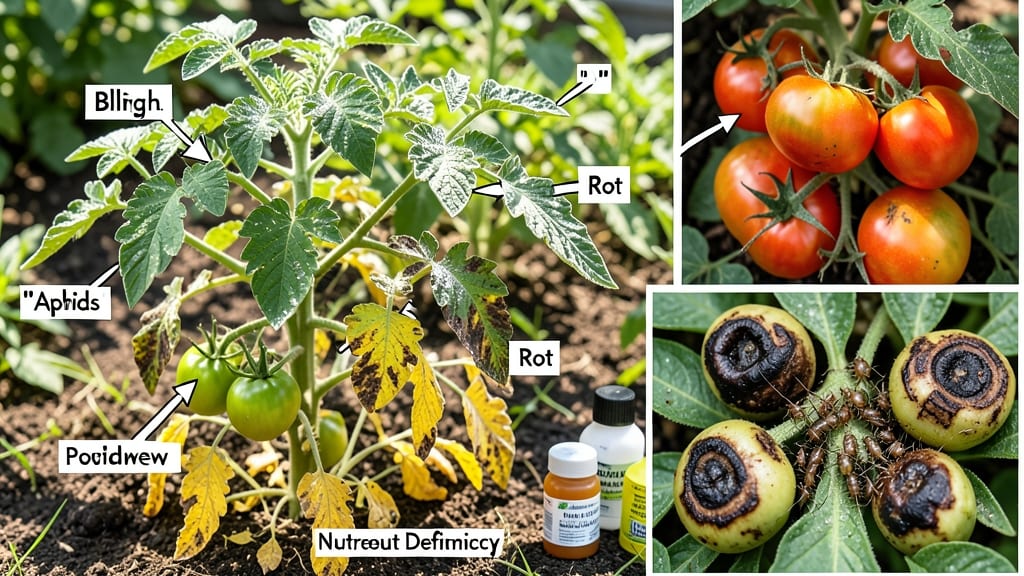
Tomato plant problems can turn your dream harvest into a sad pile of wilted leaves—until you know these quick fixes. 🌱 I’ve seen gardeners lose entire plants to issues like blight or blossom drop, but the solutions are simpler than you think, and most don’t require chemicals.
The most common culprits are overwatering, nutrient deficiencies, or pests hiding in plain sight. Yellow leaves? Often a sign of too much water or not enough nitrogen. Blossom end rot? That’s a calcium crisis in disguise. The good news?
Each problem has a targeted fix—some take minutes, others just a shift in your watering routine. By the end of this, you’ll diagnose issues faster than you can say “tomato sauce” and save plants that would’ve otherwise been lost. No more guessing—just actionable steps that actually work, even for beginners.
Let’s tackle the most frustrating tomato troubles one by one. You’ll leave here with a checklist to keep your plants thriving all season.
Root Causes Of Tomato Troubles
Tomatoes are resilient, but even the hardiest plants can face issues when environmental or biological factors push them past their limits. Understanding why these problems occur is the first step to prevention—and fixing them fast.
Below, we break down the science behind common tomato plant struggles, so you can diagnose issues like a pro.
Tomatoes thrive in warm but not scorching conditions—ideal daytime temps range between 70–85°F (21–29°C), while nights should stay above 55°F (13°C). When temperatures veer outside this range, your plants send out distress signals:
- Blossom Drop (🌸💥):
- Heat stress (above 90°F/32°C): High temps cause pollen to desiccate (dry out) before it can fertilize flowers, leading to dropped blossoms. This is especially common in determinate varieties (bush tomatoes) during peak summer.
- Cold snaps (below 50°F/10°C): Cold slows metabolism, preventing pollen tubes from growing properly. Even a single chilly night can trigger mass blossom drop.
- Wilting or Stunted Growth (🌱😵):
- Frost damage: Ice crystals rupture cell walls, causing cellular necrosis (tissue death). Tomatoes are frost-sensitive—even light frost can kill plants overnight.
- Heat shock: Above 100°F (38°C), enzymes in tomato leaves denature (lose function), leading to leaf scorch (brown, crispy edges) or sunscald (white/yellow patches).
Pro Tip: 🌡️ Use row covers for early spring/fall or shade cloth (30–50%) during heatwaves to keep temps in the sweet spot.
Tomatoes are thirsty but hate soggy feet. Watering issues disrupt nutrient uptake and oxygen flow to roots, triggering a cascade of problems:
- Underwatering (💦🚫):
- Wilting (🌿😵): When soil dries out, guard cells (tiny cells controlling stomata) close to conserve water, but this stops photosynthesis and causes leaves to droop. If left unchecked, wilting leads to blossom end rot (calcium deficiency from poor uptake).
- Blossom Drop (🌸💔): Stress from drought triggers ethylene gas production, a plant hormone that signals flowers to abort.
- Overwatering (💦🌊):
- Root Rot (🍄💀): Soggy soil cuts off oxygen, inviting fungal pathogens like Phytophthora to infect roots. Infected roots can’t absorb water or nutrients, causing yellowing leaves (chlorosis) and stunted growth.
- Blossom End Rot (🍅🔴): Excess water leaches calcium from the soil, even if calcium is present. The plant can’t transport it to developing fruit, leading to sunken, dark spots on tomatoes.
Pro Tip: 🌱 Water deeply 1–2 times per week (early morning) and use mulch to retain moisture without drowning roots.
Tomatoes face a sneaky lineup of invaders—some steal nutrients, others block sunlight, and a few inject toxins. Here’s how they wreak havoc:
| Problem | Why It Happens | Tell-Tale Signs |
|---|---|---|
| Whiteflies 🦋 | These tiny pests excrete honeydew (a sugary waste), which fosters sooty mold (a black fungal film). They also transmit viruses like Tomato Yellow Leaf Curl Virus (TYLCV). | Sticky leaves, black mold, curled yellowing leaves. |
| Fungal Diseases (Early Blight 🍄) | Alternaria solani spores thrive in humid, wet conditions. They infect leaves first, blocking photosynthesis by clogging stomata with spore masses. | Concentric rings on lower leaves, brown spots with yellow halos. |
| Root-Knot Nematodes 🐛 | Microscopic worms penetrate roots, triggering gall formation (swollen, knotty roots). This reduces water/nutrient absorption by 50%, stunting growth. | Gnarled roots, yellowing leaves, poor fruit set. |
Pro Tip: 🛡️ Rotate crops annually to break disease/pest cycles. Use neem oil for pests and copper fungicides for early blight prevention.
Tomatoes are heavy feeders, and soil imbalances can starve them—even in nutrient-rich dirt. Here’s how deficiencies show up:
- Nitrogen (N) Deficiency (🌿🔴):
- Why? Nitrogen is critical for chlorophyll production. Without it, leaves can’t photosynthesize efficiently.
- Signs: Yellowing lower leaves (older leaves first) while veins stay green (“iron chlorosis”).
- Calcium (Ca) Deficiency (🍅💔):
- Why? Calcium is immobile in plants—it can’t move from old to new growth. Poor water uptake (from over/underwatering) or high phosphorus levels block calcium absorption.
- Signs: Blossom end rot (dark, sunken spots on fruit) and cracked stems.
- Potassium (K) Deficiency (🍂🔥):
- Why? Potassium regulates water balance and disease resistance. Sandy or leached soils often lack it.
- Signs: Yellowing leaf edges (scorching), weak stems, and poor fruit development.
Pro Tip: 📊 Test your soil and amend with compost or a balanced fertilizer (10-10-10). For calcium, use crushed eggshells or lime.
Not all tomato troubles come from pests or water. Sometimes, it’s the soil itself or hidden environmental factors:
- Compacted Soil (🏗️😬):
- Why? Heavy clay or overworked soil compresses, reducing oxygen and root growth. Roots suffocate, leading to poor nutrient uptake
Quick Fixes for Common Tomato Troubles
Now that you know the why behind your tomato plant’s struggles, let’s roll up our sleeves and tackle the how.
Whether your leaves are curling, flowers are dropping, or your plant looks like it’s throwing in the towel, these practical solutions will get your tomatoes back on track—plus, we’ll share prevention tips to keep future harvests thriving. 🍅✨
Cause: Overwatering, underwatering, nutrient deficiency, or disease (like early blight or fusarium wilt). Fix It Fast:
1. Check the Watering Routine 💧
- Overwatering? Let the top 1–2 inches of soil dry out before watering again. Improve drainage by adding compost or perlite to heavy soil.
- Underwatering? Water deeply at the base (not the leaves) in the morning.
Use a moisture meter or the "finger test" to gauge soil dryness.
2.
Boost Nutrients with a Balanced Feed 🍽️ - For yellow lower leaves (nitrogen deficiency): Mix 1 tbsp of fish emulsion or compost tea into water and apply to the soil. - For weak, pale leaves (magnesium deficiency): Sprinkle Epsom salt (1 tbsp per gallon of water) around the base every 2 weeks. - For crispy edges (calcium deficiency): Use crushed eggshells or a calcium nitrate solution (1 tsp per gallon).
3. Treat Fungal Issues 🧼
- Early blight or septoria leaf spot? Spray leaves with a copper fungicide or a baking soda mix (1 tbsp baking soda + 1 tsp dish soap + 1 gallon water).
Apply every 7–10 days. - Fusarium wilt? Remove infected plants immediately (don’t compost them!) and rotate crops next season.
💡 Prevention Tip: Water at the base, avoid overhead sprinklers, and space plants for airflow to prevent fungal spread.
Cause: Temperature swings, poor pollination, overwatering, or transplant shock. Fix It Fast:
1. Stabilize Temperatures 🌡️
- Tomatoes need consistent warmth (55–85°F). If nights dip below 55°F, use row covers or a small greenhouse to protect flowers.
- Avoid cold drafts or heat stress (like near a furnace or in full afternoon sun).
2. Hand-Pollinate for Better Fruit Set 🐝
- If bees are scarce, gently shake the plant in the morning or use a small paintbrush to transfer pollen from flower to flower.
3. Adjust Watering & Fertilizer 💦
- Overwatering? Reduce frequency and let soil dry slightly between waterings.
- Too much nitrogen? Switch to a low-nitrogen, high-phosphorus fertilizer (like 5-10-10) to encourage flowering.
💡 Prevention Tip: Plant tomatoes in well-draining soil and avoid over-fertilizing with nitrogen-heavy feeds.
Cause: Poor soil, lack of sunlight, root-bound plants, or pests. Fix It Fast:
1. Give Them More Sun ☀️
- Tomatoes need 6–8 hours of direct sunlight daily. If shaded, move the plant or prune nearby trees/shrubs.
2. Feed & Loosen the Soil 🌿
- Add compost or aged manure to the soil for nutrients.
- Side-dress with a balanced fertilizer (like 10-10-10) when flowers appear.
- Loosen compacted soil gently with a fork to improve root growth.
3. Check for Root Issues 🧵
- If roots are circling (root-bound), transplant to a larger container or garden spot.
- Aphids or spider mites? Spray with neem oil or introduce ladybugs for natural pest control.
💡 Prevention Tip: Start with well-amended soil and prune suckers regularly to direct energy to fruit production.
Cause: Aphids, hornworms, whiteflies, or tomato hornworms munching on leaves/fruit. Fix It Fast:
1. Manual Removal (Best for Hornworms) 👨🍳
- Handpick large pests like hornworms (they’re camouflaged—look for green poop!).
- Drop them in soapy water to kill them.
2. Natural Sprays (For Aphids & Whiteflies) 🍋
- Neem oil spray (1 tbsp neem oil + 1 tsp dish soap + 1 quart water). Spray undersides of leaves.
- Soap spray (1 tbsp mild castile soap + 1 quart water). Test on a small leaf first.
3. Attract Beneficial Bugs 🐞
- Plant marigolds, basil, or dill nearby to draw in ladybugs and lacewings, which eat pests.
💡 Prevention Tip: Rotate crops yearly and remove debris where pests hide.
- Prune damaged leaves to redirect energy to healthy growth.
- Mulch with straw or grass clippings to retain moisture and regulate soil temp.
- Rotate crops next season to prevent soil-borne diseases.
Remember: Tomato plants are resilient! With these fixes, your plant should bounce back—and next season, you’ll be even better prepared. 🍅💪 Happy gardening!
Frequently asked questions
Why are my tomato leaves turning yellow but the veins stay green?
This classic sign usually means your plant is starving for nitrogen. Older leaves yellow first because the plant moves nutrients to new growth. Fix it by adding compost tea or a fish emulsion (1 tbsp per gallon) to the soil. For quick results, use a balanced fertilizer (10-10-10) every 2 weeks.
My tomato flowers keep dropping off—what's causing this?
Blossom drop happens from temperature stress (below 55°F or above 90°F), overwatering, or too much nitrogen. Protect plants from cold snaps with row covers, water deeply but less frequently, and switch to a low-nitrogen fertilizer (like 5-10-10) to encourage flowering.
How do I fix blossom end rot on my tomatoes?
Blossom end rot is a calcium deficiency caused by uneven watering. Water consistently at the base (never overhead), and add crushed eggshells or calcium nitrate (1 tsp per gallon) to the soil. Mulch with straw to maintain moisture levels—this prevents calcium uptake issues.
What should I do if my tomato plant has brown spots with yellow halos?
Those concentric rings are likely early blight, a fungal disease. Remove infected leaves immediately, then spray with a baking soda mix (1 tbsp baking soda + 1 tsp dish soap + 1 gallon water) or a copper fungicide. Avoid overhead watering and space plants for airflow to prevent spread.
Can I still save my tomato plant if it's completely wilted?
Check the stems first—if they're still firm, your plant might recover! Water deeply at the base (not the leaves) and move it to partial shade for a few days. If stems are mushy (sign of root rot), prune back the top growth and repot in fresh, well-draining soil. Keep an eye on it—it may take weeks to bounce back.