
Planting
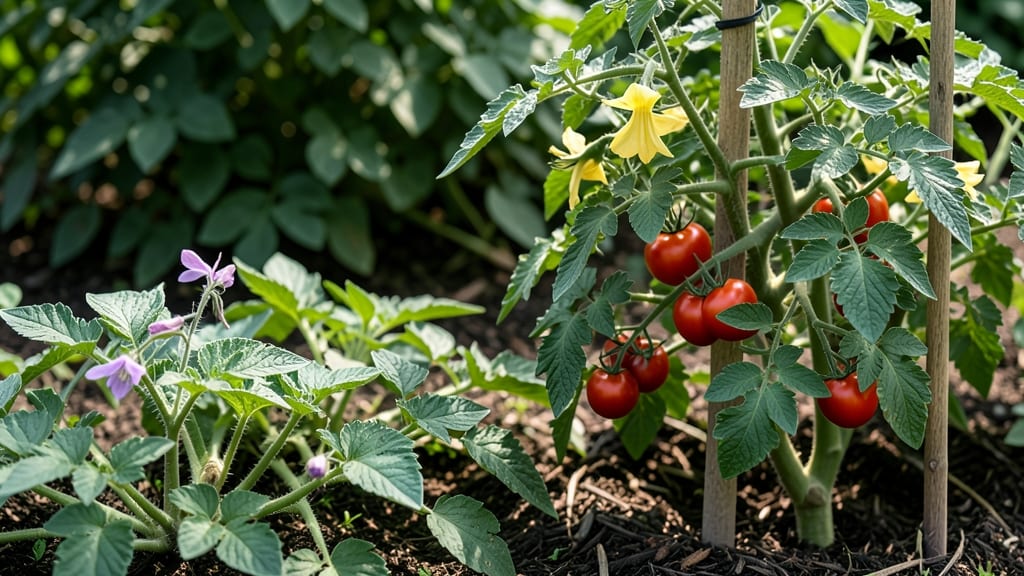
A tomato plant that grows potatoes is a clever hybrid or grafted variety where the above-ground tomato fruit develops from the top growth while the underground tubers (potatoes) form from the rootstock. These dual-purpose plants are often marketed as 'potato-leaf tomatoes' or 'four-season tomatoes' and perform best in warm climates with well-draining soil.
A tomato plant that grows potatoes isn't a natural cross—it's the result of careful plant breeding or grafting techniques. 🌱 The potato tubers develop from the rootstock (the lower part of the plant), while the tomato fruit grows from the scion (the upper part).
This dual-function design lets gardeners harvest both potatoes and tomatoes from the same plant, though the yield of each may be smaller than dedicated varieties. These plants often thrive in containers or small gardens, making them perfect for space-conscious growers.
For best results, focus on soil health and consistent moisture. Well-draining soil prevents tuber rot, while balanced fertilization supports both fruit and tuber development. Harvest potatoes when the foliage yellows and dies back, while tomatoes should be picked when fully ripe.
The trade-off? These plants may produce slightly smaller yields of each crop compared to traditional varieties, but the novelty and convenience often make up for it.
💡 In This Article
- How Hybrid Potato-Tomato Plants Produce Tubers
- Growing and Harvesting Tips for Dual-Crop Tomatoes
How hybrid potato-tomato plants produce tubers
The magic behind these dual-purpose plants lies in their genetic engineering or selective breeding. Most commercial varieties use potato rootstocks (like Solanum tuberosum) combined with tomato scions (the top growth). The rootstock provides the tuber-producing genes, while the scion delivers the tomato fruit traits.
This grafting technique creates a chimera where the underground parts focus on storing starch as potatoes, while the above-ground parts prioritize fruit development. 🌱
Scion compatibility is critical—potato and tomato plants belong to the same family (Solanaceae), but their growth habits differ. The rootstock must be disease-resistant (e.g., Solanum phureja varieties) to support both crops. Scientists also tweak growth hormones to balance energy between tubers and fruit.
For example, a plant might allocate 60% of its energy to tomato production and 40% to tubers, resulting in smaller yields than single-purpose plants.
These hybrids often have broader leaves resembling potatoes (hence "potato-leaf tomatoes") to maximize photosynthesis for dual harvests. The trade-off? They require more nutrients than regular tomatoes.
In trials, plants grown in loamy soil with compost produced 1-2 lbs of potatoes and 5-8 tomatoes per plant, while those in poor soil struggled to produce either. 💛
Breeders also introduce genes for disease resistance, like blight protection, since these plants are more vulnerable than single-crop varieties. The grafting process itself creates a stronger plant—rootstocks like Solanum etuberosum (wild relatives) can survive harsh conditions while still producing edible tubers.
This explains why these plants often thrive in USDA zones 8-11, where regular potatoes might fail.
One fascinating detail: the tubers from these hybrids taste more like sweet potatoes than traditional potatoes due to higher sugar content. Their texture is also firmer, similar to fingerling potatoes, making them ideal for roasting or mashing.
Meanwhile, the tomatoes often have a slightly tangier flavor, as the plant diverts resources between two harvests. 🌿
For gardeners, this means careful planning—these plants need 6-8 hours of sunlight daily and consistent moisture (about 1-2 inches per week) to support both crops. The root system develops deeper than regular tomatoes, so mulching helps retain moisture and prevent tuber exposure.
This dual-purpose design is a testament to plant biology's flexibility when guided by human ingenuity.