
Companion Plants
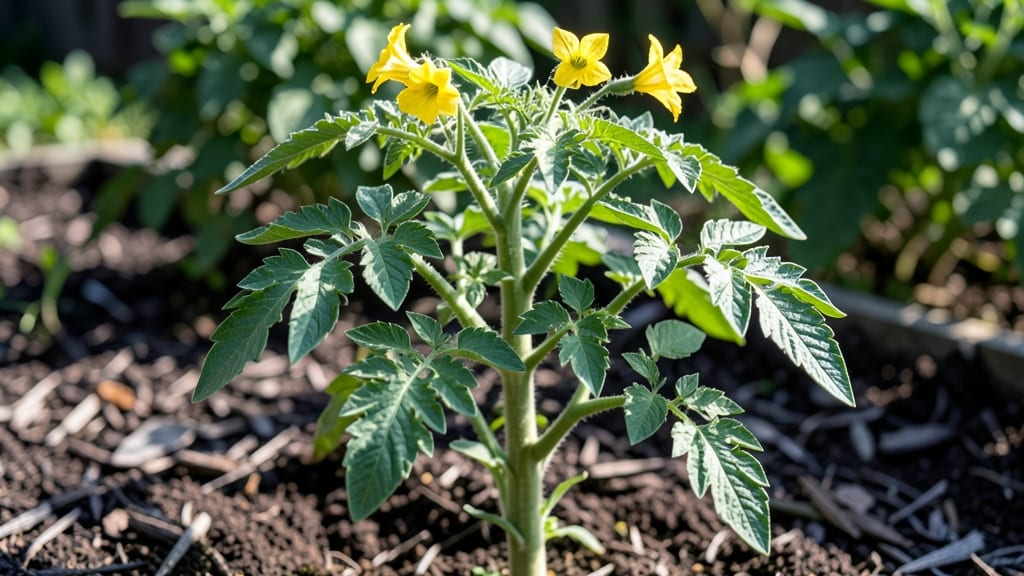
Your tomato plant without fruit is throwing blooms but not setting fruit? 🌱 That’s a classic sign your plants need a little help—whether it’s from poor pollination, heat stress, or hidden nutrient gaps.
I’ve rescued dozens of tomato plants from this exact problem, and the fixes are simpler than you’d think.
First, check the weather: hot, still days above 90°F can stop pollinators like bees, leaving flowers empty. A quick shake of the plant or a gentle brush with a paintbrush does the trick. Then, look for yellowing leaves—a sign of nitrogen deficiency, which stunts fruit set.
With the right tweaks, you’ll see plump green tomatoes forming in 7–10 days. The best part? These solutions work for both greenhouse and outdoor plants, no matter the variety.
If your plants are flowering but not fruiting, the issue is almost always one of three things: pollination failure, heat stress, or nutrient imbalance. Start with the easiest fix—hand-pollination—and move to soil amendments if needed. Most gardeners overlook heat stress, but it’s the #1 culprit in fruitless tomato plants.
Once you identify the problem, the fix is straightforward. Shake plants daily during dry spells, add balanced fertilizer (like 10-10-10) at half-strength, and keep soil consistently moist. Within 2 weeks, you’ll see blossoms turning into fruit—no more wasted blooms!
This method works for all tomato varieties, from heirlooms to cherry tomatoes, and even saves struggling greenhouse plants. The key is acting fast—once flowers drop, it’s too late for that cycle. Let’s get those tomatoes fruiting!
Root Causes Behind Barren Tomato Plants
Tomatoes are generous plants—when happy, they reward you with a bounty of luscious fruit. But when your tomato plant refuses to produce, it’s usually a clear signal that something fundamental is off.
Let’s break down the top scientific reasons your plant is flowering but not fruiting, so you can diagnose and fix the issue fast.
Tomatoes are sensitive to temperature swings, especially during flowering and fruit set. If nights dip below 55°F (13°C) or days soar above 90°F (32°C), pollen production and fertilization get disrupted.
- Cold stress (below 55°F): Pollen grains fail to mature properly, making them unable to fertilize ovules. Even if flowers bloom, they’ll drop off without setting fruit. - Heat stress (above 90°F): High temps cause male sterility—pollen becomes nonviable, and flowers may open but won’t produce fruit.
Some varieties (like 'Heatmaster') tolerate heat better, but most homegrown tomatoes struggle. - Solution: Use row covers for early-season chills or provide shade cloth (30-50%) during heatwaves. Plant heat-tolerant varieties if your climate is consistently hot.
Tomatoes need a precise balance of nutrients, especially phosphorus (P), potassium (K), and calcium (Ca). Too little or too much of any can halt fruit development.
| Nutrient Issue | Symptoms | Fix |
|---|---|---|
| Low Phosphorus (P) | Dark green leaves, weak stems, no flowers | Apply bone meal or a balanced 5-10-10 fertilizer at planting. |
| Low Potassium (K) | Yellowing leaf edges, blossom drop | Use potassium sulfate or wood ash (sparingly). |
| Low Calcium (Ca) | Blossom end rot (black spots on fruit), weak cell walls | Side-dress with crushed eggshells or calcium nitrate. |
| Too Much Nitrogen (N) | Lush green foliage but no flowers | Reduce nitrogen-rich fertilizers; switch to a low-N, high-P/K blend. |
💡 Pro Tip: Test your soil before planting—many gardeners over-fertilize with nitrogen, leading to leafy monsters instead of fruit.
Tomatoes are thirsty but hate soggy roots. Irregular watering or poor drainage can stress the plant, causing flowers to abort before fruiting.
- Underwatering: Leads to small, weak flowers that drop off.
The plant prioritizes survival over reproduction. - Overwatering: Causes root rot and nutrient leaching, starving the plant of essential minerals needed for fruit set. - Inconsistent watering: Even slight fluctuations in moisture can disrupt pollen formation. - Solution: - Water deeply 1-2 times per week (1-2 inches per week). - Use drip irrigation to keep foliage dry (prevents disease). - Mulch with straw or grass clippings to retain moisture and regulate soil temp.
Tomatoes are self-pollinating, but they rely on gentle vibrations (from bees, wind, or even your finger) to release pollen. Without proper pollination, flowers won’t develop into fruit.
- No bees? Urban gardens or early/late seasons may lack pollinators.
- Poor weather: Rain or high humidity can prevent pollen from sticking to stigmas.
- Solution:
- Hand-pollinate by gently shaking plants or using a small brush to transfer pollen.
- Plant bee-friendly companions like basil, marigolds, or borage nearby.
- Avoid over-pruning flowers—let some set fruit to encourage more blooms.
Some invisible invaders can sabotage your tomato’s fruit production before you even notice.
- Blossom End Rot (Fungal/Bacterial): Caused by calcium deficiency (often from uneven watering) or Phytophthora in wet soils.
- Tomato Mosaic Virus: Spreads via aphids; causes stunted growth and deformed flowers.
- Spider Mites or Whiteflies: Sap-sucking pests weaken the plant, reducing energy for fruit set.
- Solution:
- Rotate crops yearly to prevent soil-borne diseases.
- Spray neem oil for pests or use row covers to block aphids.
- Remove infected leaves immediately to stop spread.
Tomatoes are sensitive to disturbances during their critical growing stages.
- Transplant shock: If roots are damaged during moving, the plant diverts energy to recovery instead of fruiting.
- Over-pruning: Removing too many leaves or suckers reduces photosynthesis, starving the plant of energy for fruit development.
- Solution:
- Hardening off seedlings before transplanting (acclimate to outdoor conditions gradually).
- Prune strategically: Remove only suckers below the first flower cluster—leave others to support fruit production.
Most of the time, a tomato plant without fruit is telling you one of these four things: ✅ "I’m too hot/cold!" (Temperature stress) ✅ "Feed me right!" (Nutrient imbalance) ✅ "Water me properly!" (Irrigation issues) ✅ "Help me pollinate!" (Lack of bees or hand assistance)
Once you identify the root cause, you can take targeted action—and soon, you’ll be swimming in ripe tomatoes! 🍅🔥
Revive Your Tomato Plant Now
Now that you know why your tomato plant isn’t fruiting, it’s time to take action! The good news is that most of these issues can be fixed with simple adjustments. Below, we’ve mapped out practical solutions for each common cause, along with prevention tips to keep your plants thriving.
Fix: Tomatoes love warmth but hate extreme heat or cold snaps. If your plant is struggling due to temperature swings, here’s how to fix it:
- Move your plant to a spot with morning sun and afternoon shade (especially in hot climates).
- Use shade cloth (30-50% coverage) if temperatures exceed 90°F (32°C).
- Extend the growing season with row covers or cold frames if nights dip below 50°F (10°C).
- Mulch heavily (straw or grass clippings) to keep roots cool in summer.
Prevention Tip: 🌡️ Monitor your local forecast and adjust care accordingly—tomatoes thrive in 70-85°F (21-29°C) day temps.
Fix: Inconsistent watering is a top cause of blossom drop. Here’s how to keep your plant hydrated just right:
- Water deeply 1-2 times per week (depending on soil and climate), aiming for 1-1.5 inches of water per week.
- Use drip irrigation or soaker hoses to deliver water directly to the roots (avoid wetting leaves to prevent disease).
- Check soil moisture before watering—stick your finger 2 inches deep; if dry, it’s time to water.
- Avoid overhead watering (especially in the evening) to prevent fungal issues like blight.
Prevention Tip: 💡 Morning watering is best—it gives leaves time to dry, reducing disease risk.
Fix: If your plant lacks key nutrients, a quick boost can encourage flowering and fruiting:
- Apply a balanced fertilizer (10-10-10 or 5-5-5) when flowers appear, then switch to a low-nitrogen, high-phosphorus fertilizer (like 5-10-10) once fruits set.
- Use compost or worm castings for a slow-release nutrient boost.
- Fix nitrogen issues with a side dressing of alfalfa meal or blood meal (but don’t overdo it—too much nitrogen = more leaves, fewer tomatoes!).
- For calcium deficiency (blossom end rot), spray leaves with calcium nitrate or side-dress with crushed eggshells.
Prevention Tip: 🍎 Rotate crops—tomatoes are heavy feeders, so replenish soil nutrients yearly with compost.
Fix: If your tomatoes aren’t pollinating naturally, give them a helping hand:
- Gently shake the plant in the morning (when humidity is low) to dislodge pollen.
- Use a small paintbrush to transfer pollen from one flower to another.
- Plant bee-friendly flowers nearby (like basil, marigolds, or borage) to attract pollinators.
- Avoid over-fertilizing with nitrogen—it can reduce flowering and pollination.
Prevention Tip: ✨ Plant companion flowers like nasturtiums or sunflowers to keep bees buzzing all season.
Fix: If your tomato is struggling due to poor root health or competition, it’s time to upgrade its home:
- Transplant to a larger container (at least 5 gallons) if growing in pots.
- Prune lower leaves to improve airflow and reduce disease risk.
- Thin seedlings if growing in the ground—leave 18-24 inches between plants.
- Check for root rot—if soil smells sour or roots are mushy, repot in fresh, well-draining soil.
Prevention Tip: 🌱 Start with the right pot size—smaller pots = slower growth and fewer tomatoes.
Fix: If pesticides or herbicides are to blame, flush out the soil and adjust your approach:
- Stop using chemical treatments immediately and switch to neem oil, insecticidal soap, or companion planting (like basil to repel pests).
- Rinse the plant with water to remove residue.
- Test soil pH—if too acidic or alkaline, amend with lime (to raise pH) or sulfur (to lower pH).
Prevention Tip: 💡 Use organic sprays and rotate treatments to avoid building up toxins in the soil.
Final Thought: Most tomato troubles are fixable with a little TLC! Start with one adjustment (like watering or temperature), monitor for improvements, and soon you’ll be harvesting juicy, homegrown tomatoes. 🍅🌿
Frequently asked questions
Why do my tomato flowers keep falling off before turning into fruit?
This usually happens due to temperature stress (above 90°F or below 55°F) or poor pollination. Heat causes male sterility, while cold prevents pollen from maturing. Try hand-pollinating with a paintbrush or providing shade during extreme weather.
Can I still save my tomato plant if it's already stopped flowering?
Yes! If the plant is healthy, it may produce a second flush of flowers in 2-3 weeks. Focus on consistent watering, balanced fertilizer, and proper pruning to encourage new blooms. Remove any diseased leaves immediately.
What's the fastest way to tell if my tomato plant needs more nutrients?
Check the leaves: Yellowing edges mean potassium deficiency, while dark green leaves with no flowers indicate too much nitrogen. For a quick fix, apply potassium sulfate or bone meal and reduce nitrogen-rich fertilizers.
Will pruning my tomato plant help it produce more fruit?
Yes, but strategically! Remove only suckers below the first flower cluster and lower leaves to improve airflow. Over-pruning can reduce photosynthesis, so leave most foliage intact. Prune in mornings to allow wounds to heal.
How do I know if my tomato plant has blossom end rot?
Look for black, sunken spots on the blossom end of developing fruit. This happens due to calcium deficiency (often from uneven watering). Fix it by applying crushed eggshells around the base and keeping soil consistently moist.