
Planting
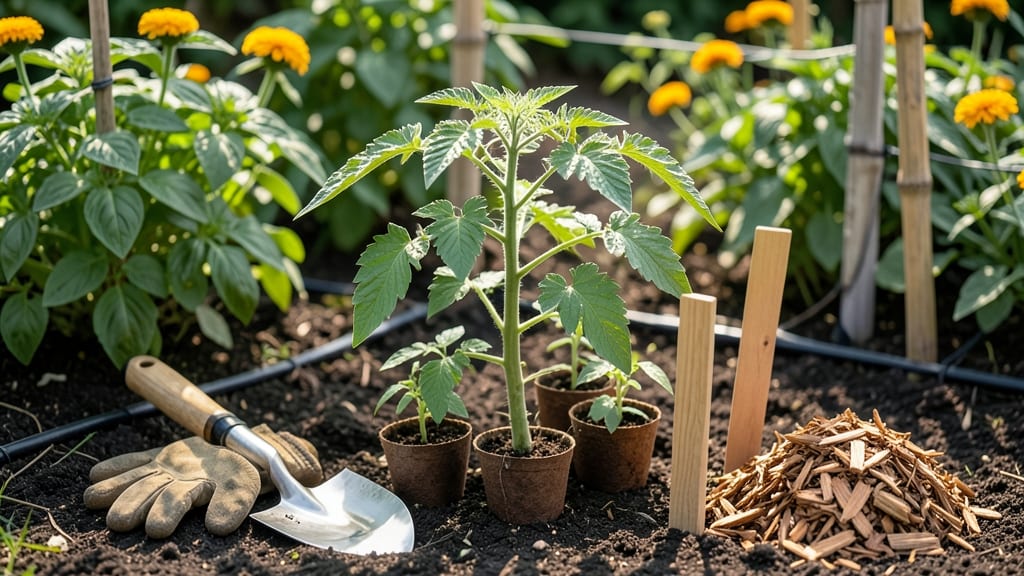
The right tomato planting time turns a gamble into a guaranteed harvest—miss it, and you’re left with sad, leggy seedlings or blistered fruit.
Picture this: it’s mid-May in Zone 6a, and your neighbor’s tomatoes are already football-sized while yours are just sprouting leaves. That’s not luck—it’s timing. Plant too early, and frost nips your progress; too late, and the heat arrives before the fruit sets.
I’ve made both mistakes, and let me tell you, the wasted effort is heartbreaking.
Here’s the game-changer: a zone-by-zone schedule that accounts for soil warmth, frost dates, and even your local microclimate. Whether you’re starting seeds indoors or dropping them straight into the garden, you’ll know the exact weeks to plant for maximum yield—no guesswork, just results.
From early-season varieties that beat the heat to late-planted crops that stretch your harvest, we’ll cover it all. Ready to turn your tomato dreams into a real harvest? Let’s get started.

Best tomato planting months by USDA hardiness zone (with exact dates)
Getting your tomato planting timing right is everything—plant too early, and frost will kill your seedlings; too late, and you’ll miss the growing season. Since tomatoes are heat-loving annuals, they need warm soil and air to thrive.
The USDA hardiness zone you’re in determines your exact planting window, whether you’re transplanting seedlings or direct sowing seeds. Let’s break it down by zone so you can plan for a high-yield harvest.
First, find your last frost date—this is your starting point. Most tomato varieties need 6-8 weeks of warm weather after transplanting to produce fruit. For direct sowing, wait until soil temperatures hit at least 60°F (15°C), as cold soil slows germination and stunts growth.
Below, you’ll find the ideal planting months for each zone, including adjustments for early and late varieties.
Pro Tip: Use row covers or black plastic mulch in cooler zones to warm the soil faster and extend your growing season. This can shave off 1-2 weeks from your planting timeline, giving you an earlier start.
If you’re in Zones 3-4, your window is tight—plant too early, and frost will nip your seedlings. Start seeds indoors 6-8 weeks before your last frost, then transplant after Memorial Day when soil is reliably warm.
For Zones 5-6, you’ve got a bit more flexibility, but don’t wait past mid-May for seedlings or you’ll risk stunted growth.
In Zones 7-8, you can plant as early as February for seedlings, but direct sowing waits until April when soil hits 65°F (18°C). This is prime territory for heirloom varieties like 'Brandywine' or 'Cherokee Purple', which need a long, hot season to ripen.
For Zones 9-10, you’re in luck—plant in February or March and enjoy a nearly year-round harvest with succession planting.
For direct sowing, always wait until soil temperatures are consistent at 60°F (15°C) or higher. Use a soil thermometer to check—cold soil delays germination and invites disease. If your soil heats up slowly, try black plastic mulch or straw mulch to speed things along.
This is especially critical in Northern zones (3-6), where cool springs are common.
One common mistake is planting too early just because the air feels warm. Soil temperature matters more than air temperature—tomato roots need warmth to absorb nutrients efficiently.
If your soil is cold, your plants will wilt, yellow, or rot despite warm days. Always test soil temperature 1 inch deep in the morning for accuracy.
For extended harvests, consider planting early, mid-season, and late varieties in succession. For example, in Zone 6, plant 'Early Girl' in May, then 'Better Boy' in June for a harvest that stretches into October.
In Southern zones (9-10), you can even plant fall varieties in August for a winter harvest with row covers.
Remember, frost sensitivity is your biggest enemy. If a late frost is forecast, cover seedlings with frost cloth or a lightweight blanket. And if you’re
When to start tomato seeds indoors vs. direct sowing outdoors
Deciding whether to start your tomato seeds indoors or plant them directly outdoors depends on your climate zone and the variety you’ve chosen. Most gardeners swear by starting seeds 6-8 weeks before the last frost date for stronger seedlings, but direct sowing works too—especially for heat-loving varieties in warmer regions.
Let’s break down the best approach for your garden.
Indoor seed starting gives you a head start on the growing season, allowing you to transplant hardy seedlings once soil temperatures hit 60°F (15°C). This method is ideal for cool climates where the growing season is short.
However, if you live in a warmer zone or have cold-tolerant varieties, direct sowing can save time and reduce transplant shock.
For indoor seed starting, begin your tomato seeds in small pots or seed trays filled with sterile seed-starting mix. Place them under grow lights or in a sunny window, keeping the soil consistently moist.
Once seedlings have 2-3 true leaves, they’re ready to harden off and transplant outdoors after the last frost.
If you prefer direct sowing, wait until the soil temperature reaches at least 60°F (15°C)—this usually aligns with late spring in most regions. Plant seeds ½ inch deep and space them 18-24 inches apart for optimal growth.
This method works best for heat-loving varieties like 'Celebrity' or 'Better Boy,' which thrive in warmer conditions.
Cold-tolerant varieties, such as 'Stupice' or 'Glacier,' can handle cooler soils and are perfect for direct sowing in early spring or fall. These varieties extend your harvest season by tolerating temperatures as low as 50°F (10°C), making them ideal for Northern gardens or early planting strategies.
Remember, the key to success is knowing your last frost date and adjusting your planting timeline accordingly. Whether you choose to start seeds indoors or sow directly, timing is everything for a successful tomato harvest.