
Planting
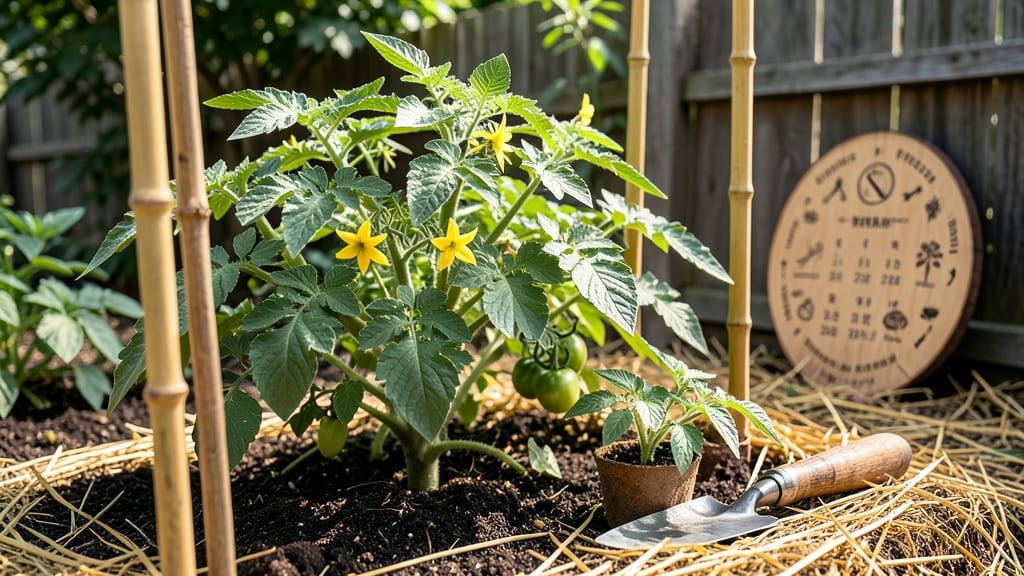
Growing juicy, homegrown tomatoes starts with a precise tomato planting timeline—one that aligns your seeds with your last frost date and your zone’s growing season.
Timing is everything when growing tomatoes—plant too early, and frost will kill your seedlings; too late, and you’ll miss the growing season. Follow this tomato planting timeline to maximize yields based on your USDA hardiness zone.
Whether you’re starting seeds indoors in Zone 6 or direct-sowing after April 15, the key is knowing exactly when to move seedlings outside, stake them, and prep for a July-October harvest. Get it wrong, and you’re left with leggy plants or green tomatoes at frost.
Here’s the step-by-step schedule by zone, including indoor start dates, transplant windows, and how to adjust for early or late harvests—so you never waste another season.

Tomato planting timeline by USDA zone (weeks before last frost)
Getting your tomato planting timeline right means the difference between a bumper crop and wasted effort. Tomatoes thrive in warmth but wilt under frost—so knowing your USDA zone and last frost date is non-negotiable.
Whether you're starting seeds indoors or sowing directly outdoors, these zone-specific deadlines will keep your plants on track for a 90-day harvest window.
Most gardeners focus on transplanting after frost, but the real magic happens months earlier. In colder zones (like Zone 3), you’ll need to start seeds 10-12 weeks indoors before your last frost date.
Meanwhile, warmer climates (like Zone 10) can direct-sow tomatoes year-round—but timing still matters for avoiding heat stress. Let’s break it down by zone so you can plant with confidence.
Pro Tip: Always verify your last frost date using local weather records—it can vary 1-2 weeks even within the same zone. For example, Zone 5 might have a last frost in May, while nearby areas could see it in April. Use the comparison table below as your guide, then adjust based on your microclimate.