
Blooming
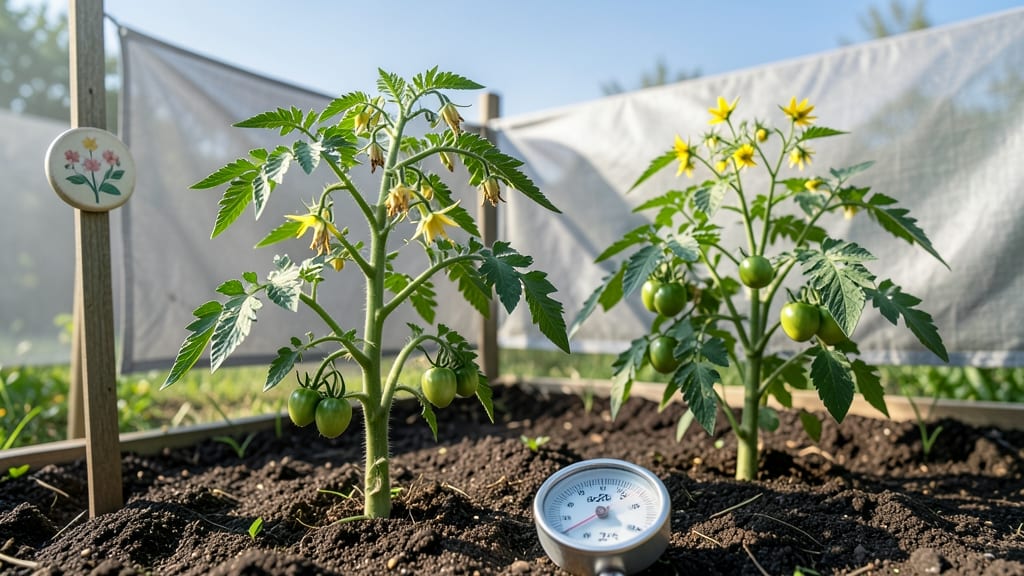
Your tomato plants are throwing blooms when they should still be growing leaves—this is your cue to intervene. 🌱 Early blooming means your plants are stressed, and those flowers won’t turn into ripe tomatoes if the plant isn’t strong enough.
I’ve seen this happen in both cool springs and hot summer starts, and the fix is simpler than you think. The root causes are usually temperature swings (below 55°F or above 85°F), overcrowding (too many flowers competing for energy), or inconsistent watering (drought stress triggers early flowering).
The good news? You can reset your plants by adjusting light, pruning strategically, and even choosing later-maturing varieties next season. With the right adjustments—like removing early flowers, providing shade cloth, or switching to a determinate variety—your plants will focus on leafy growth first.
By mid-June, you’ll have stocky, productive stems ready to burst with fruit instead of just pretty (but useless) blossoms. This works for both container-grown tomatoes and in-ground plants. The key is patience—your harvest will be bigger and more reliable if you let the plant build strength first.
📚 In This Guide
- What you need
- Instructions
- Tips and common mistakes
- Wrapping up and next steps
What you need
- ● Pruning shears or sharp scissors – Clean, sterilized (70% isopropyl alcohol), and sharp for clean cuts.
- ● Garden gloves – Heavy-duty to protect hands from thorns and soil.
- ● Garden twine or soft plant ties – 3–4 feet per plant (natural or biodegradable preferred).
- ● Balanced fertilizer (10-10-10 or 5-5-5) – 1–2 tablespoons per plant (organic options like composted manure work too!).
- ● Shade cloth (30–50%) – Enough to cover 50–70% of the plant canopy if needed.
- ● Watering can or hose with a gentle nozzle – For consistent moisture control.
- ● Growth regulator (e.g., Bonzi or Flowering Inhibitor) – Follow label instructions for early blooms.
- ● Thermometer (soil & air) – To monitor temperatures (ideal: 60–85°F for tomatoes).
- ● Reflective mulch (silver or white) – Helps regulate soil temp and deter pests.
- ● Plant support stakes or cages – If pruning heavily, extra support prevents stress.
- ● Know your last frost date – Check local agricultural extension resources.
- ● Morning sunlight assessment – Ensure plants get 6+ hours of direct sun daily.
- ○ Soil test kit (optional but recommended) – Check pH (ideal: 6.0–6.8) and nutrient levels.
How to adjust tomato growth when blooms appear too early
Here's how I prevent premature flowering and keep plants focused on leafy growth until the right time.
☀️ Step 1: Reduce Light Exposure Immediately
Move your tomato plants to a location with 6-8 hours of light daily instead of full sun. I place mine under a shade cloth that blocks 30-50% of sunlight during the hottest afternoon hours. This mimics the cooler conditions that delay flowering until plants have established stronger roots and foliage.
Watch for leaves that look slightly less vibrant—this is normal. The goal is to slow growth without stressing the plant. Too little light causes weak stems, so keep them in bright indirect light or filtered sun. If your plants start stretching toward the light, they're not getting enough intensity.
💧 Step 2: Adjust Watering to Control Growth Rate
Switch to a drip irrigation system or water at the base only, avoiding wetting the foliage. I water deeply every 3-4 days instead of daily, letting the top 2 inches of soil dry out between waterings. This creates mild stress that redirects energy toward vegetative growth rather than flowering.
You'll notice slightly slower growth and smaller leaves—this is exactly what we want. Overwatering sends the opposite signal, triggering rapid flowering. Check soil moisture by sticking your finger in; if it feels damp below 2 inches, wait another day before watering.
✂️ Step 3: Prune Flower Clusters and Suckers
Remove all existing flower clusters by pinching them off at the stem with your fingers. I also prune any suckers (the small shoots growing between main stems and branches) to redirect energy upward. This might seem harsh, but it forces the plant to focus on building stronger stems and leaves.
Make cuts just above a leaf node where new growth can emerge. You'll see new leafy growth within 7-10 days if the plant is healthy. Never prune more than 30% of the plant at once—this prevents shock and maintains photosynthesis capacity.
🌱 Step 4: Modify Fertilizer for Leafy Growth
Switch to a high-nitrogen fertilizer (like 10-5-5) and apply it every 2-3 weeks instead of your regular balanced feed. I dilute it to half-strength to avoid burning the plants. This nutrient ratio promotes leafy growth while suppressing flowering.
Watch the new leaves that emerge—they should be darker green and larger than before. If you notice yellowing between veins, you're overdoing the nitrogen. Reduce applications to every 4 weeks until the color improves.
⏰ Step 5: Monitor Temperature and Humidity
Keep daytime temperatures between 65-75°F and nights above 55°F. If your area gets hotter, use a fan to circulate air and prevent heat stress. I also increase humidity with a pebble tray under the pots—this helps plants recover from any stress caused by our adjustments.
Check for new flower buds weekly. If you see any forming, immediately return to Step 3. With consistent adjustments, you should see no new flowers for 4-6 weeks, giving the plant time to mature before the ideal harvest window.
Tips & tricks for managing premature tomato blooms
Keeping tomato plants focused on leafy growth instead of early flowering takes a few strategic adjustments—here's what I've learned from years of trial and error.
Light Adjustment Nuance: When reducing light exposure in Step 1, position your shade cloth to filter the sun during the hottest afternoon hours (1-4 PM)—this is when plants receive the most intense light and heat. I use a 40% shade cloth on the south side of my garden, which blocks enough light to slow flowering while still allowing photosynthesis. If you notice leaves stretching upward (a sign of light deficiency), rotate the plants every few days to ensure even exposure.
Watering Strategy: The 3-4 day watering schedule in Step 2 works best when combined with a moisture meter. Stick the probe 2 inches deep—if it reads dry, water thoroughly until moisture reaches that depth. Morning watering is ideal because it allows foliage to dry completely by evening, reducing disease risk. I've found that using a drip irrigation system on a timer eliminates guesswork and maintains consistent soil moisture without overwatering.
Pruning Precision: When removing flower clusters in Step 3, focus on the main stem and primary branches first—these areas have the most hormonal influence on the plant. Use clean pruning shears for larger suckers to avoid damaging stems, but pinch smaller clusters with your fingers. I mark my calendar 7 days after pruning to check for new leaf growth—this helps me track progress and adjust my approach if needed.
Fertilizer Timing: The 2-3 week application schedule for high-nitrogen fertilizer in Step 4 assumes warm weather (70°F+). In cooler conditions, extend this to 3-4 weeks to prevent nutrient buildup. I always apply fertilizer in the early morning when plants are actively photosynthesizing, and water immediately afterward to prevent root burn. Watch for dark green, glossy leaves as a sign of proper nitrogen uptake.
Pro Tips for Tomato Plants Blooming Too Early
- Keeping tomato plants focused on leafy growth instead of early flowering takes a few strategic adjustments—here's what I've learned from years of trial and error.
- Light Adjustment Nuance: When reducing light exposure in Step 1, position your shade cloth to filter the sun during the hottest afternoon hours (1-4 PM)—this is when plants receive the most intense light and heat.
- Watering Strategy: The 3-4 day watering schedule in Step 2 works best when combined with a moisture meter.
Frequently asked questions
Got questions about early blooming tomato plants? You’re not alone—this quirky growth pattern can throw off even the most seasoned gardeners! Here are some of the most common concerns and quick fixes to keep your tomatoes thriving.
Why are my tomato plants blooming so early?
Early blooming often happens due to heat stress or inconsistent temperatures, especially in regions with unpredictable spring weather. Tomatoes are sensitive to temperature swings—if nights stay too warm (above 70°F/21°C), they may bolt (flower prematurely) instead of focusing on leafy growth. Check your local frost dates and adjust care to delay blooming until after the last frost.
Can I stop my tomato plants from blooming early?
Yes! Try these tricks to pause flowering until conditions improve:
- Prune aggressively: Snip off early flowers (wear gloves—sap can irritate skin!). Focus on removing suckers and encouraging leafy growth first.
- Adjust watering: Deep water in the morning to cool roots and soil. Avoid overhead watering to prevent stress.
- Shade cloth: Use 30-50% shade fabric during peak afternoon sun to lower soil temps by 5-10°F (3-6°C).
- Delay planting: If possible, wait until after your area’s last frost date to start seeds or transplants.
Will early blooms still produce tomatoes?
Maybe, but quality and quantity may suffer. Flowers that set fruit too early often abort if night temps dip below 55°F (13°C) or stay above 85°F (29°C). Even if fruit forms, it might be small, misshapen, or lack flavor. Prioritize saving energy for later blooms by pruning early flowers.
How do I adjust care for early bloomers?
Shift your focus to root and leaf development until temps stabilize:
| Task | Do This | Avoid This |
|---|---|---|
| Watering | Deep, consistent watering (1-2" per week) at soil level. | Overhead sprinkling or inconsistent schedules. |
| Fertilizer | High-nitrogen feed (like 10-10-10) to boost foliage. | Phosphorus-heavy fertilizers (promote blooming too soon). |
| Pruning | Remove all early flowers and suckers below the first fruit cluster. | Leaving flowers to set fruit—this drains the plant. |
What if my tomato variety is just prone to early blooming?
Some heirloom or determinate varieties (like ‘Roma’ or ‘Celebrity’) are more likely to bolt early. If you’re growing these, consider switching to late-season varieties like ‘Better Boy’ or ‘Brandywine’ for cooler climates. Alternatively, start seeds indoors 6-8 weeks before your last frost to give plants a head start on hardening off.
Wrapping up and next steps
Don’t let early blooms stress you out—your tomato plants are just eager to grow!
By adjusting light, temperature, and nutrients, you’ve taken the first steps toward a bountiful harvest at the right time. 🌱 Whether it’s pruning, shading, or tweaking your fertilizer, these strategies will help you steer their growth toward peak season.
Now’s the time to stay consistent and monitor your plants closely. Check in weekly, adjust as needed, and soon you’ll be enjoying homegrown tomatoes at their juiciest! Happy gardening—your future meals are waiting! 🍅✨