
Blooming
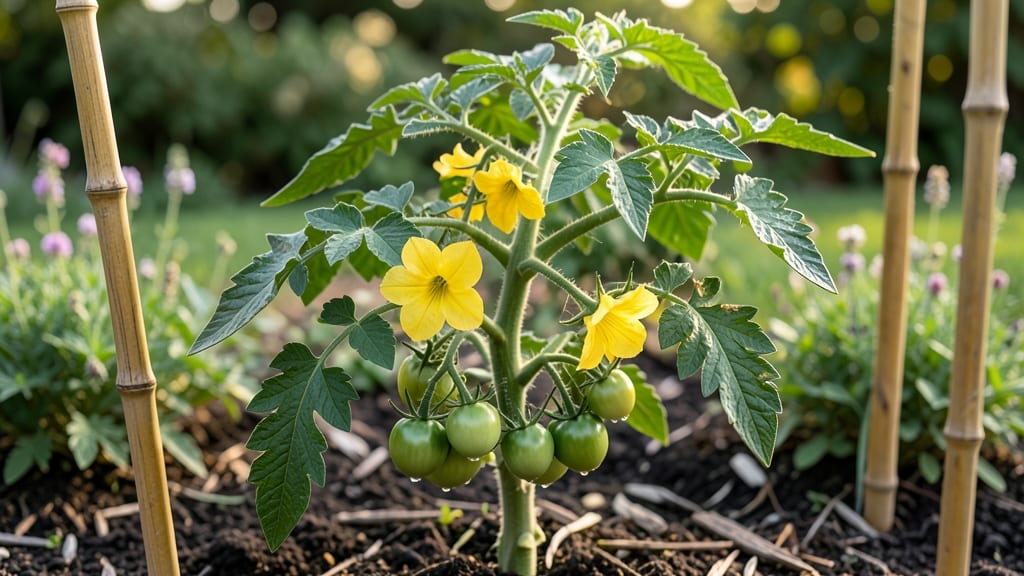
Your tomato plants are finally blooming—now the real work begins. 🌱 The difference between a handful of tomatoes and a basketful comes down to understanding exactly what your plants need during this critical stage, from heat-resistant varieties to precise planting timing that aligns with your climate.
I’ve watched my own plants go from hopeful flowers to blossom drop disasters when I ignored temperature swings, water stress, or poor pollination. The good news? With the right varieties—like ‘Solar Fire’ or ‘Heatmaster’—and a few simple adjustments, you can turn those blooms into fruit without the heartbreak.
Start by planting heat-tolerant varieties 4-6 weeks before your last frost, then focus on consistent watering, morning sun, and a light hand with fertilizer. A quick shake of the plants or a gentle breeze from a fan can boost pollination when bees stay away.
The payoff? A vine heavy with ripe, flavorful tomatoes instead of empty flower clusters. This works for backyard gardens, containers, or even balcony setups—just adjust your timing and variety choices. Let’s get those blooms turning into fruit!
📚 In This Guide
- What you need
- Instructions
- Tips and common mistakes
- Wrapping up and next steps
What you need
- ● Tomato Seeds or Seedlings: Heat-resistant varieties (e.g., Solar Fire, Heatmaster, or Arkansas Traveler)
- ● Quantity: 3–6 plants (or 10–20 seeds if starting from scratch)
- ● Containers or Garden Beds: For containers: 5-gallon pots (1 per plant) with drainage holes
- ● For in-ground: Well-draining soil, full sun (6+ hours/day)
- ● Potting Mix: High-quality, well-draining blend (e.g., Miracle-Gro Potting Mix)
- ● Fertilizer: Balanced (10-10-10) or tomato-specific fertilizer (e.g., Espoma Tomato-Tone)
- ● Watering Can or Hose: With a gentle spray nozzle
- ● Mulch: Straw or black plastic to retain moisture and regulate soil temp
- ● Support Structures: Cages (6+ ft tall) or stakes (6+ ft long)
- ● Twine or soft plant ties
- ● Shade Cloth: 30–50% coverage for seedlings (if temps exceed 90°F)
- ● Soil Thermometer: To monitor heat levels (ideal: 70–85°F for germination)
- ● Drip Irrigation Kit: For consistent moisture without overhead watering
- ● Pruning Shears: For trimming suckers and dead blooms
- ● Compost or Worm Castings: Boosts soil fertility and heat resilience
How to encourage tomato plants to bloom reliably
Here's the method I've used for years to coax even the most stubborn tomato plants into producing flowers and fruit.
☀️ Step 1: Position for Optimal Heat and Light Balance
Tomatoes need full sun (6-8 hours daily) but won't set fruit if temperatures exceed 90°F. I plant heat-tolerant varieties like 'Solar Fire' or 'Heatmaster' in late spring after soil warms to 60°F—that's when roots activate properly. For early starts, use shade cloth (30-50%) during peak afternoon sun until plants establish.
Watch for leaves curling upward—that's your plant's way of saying it's overheating. Morning sun is ideal because it allows foliage to dry overnight, preventing fungal issues. If your area gets hotter than 95°F, mulch heavily with straw to keep roots cool and water deeply at the base every morning.
💧 Step 2: Water Deeply and Consistently at Root Level
Fluctuating moisture stresses plants and halts flowering. I water 1 inch per week (more in containers) directly at the base using a soaker hose or drip irrigation. The goal is to keep soil evenly moist but never soggy—you'll see wilting leaves if it's too dry, and yellowing if overwatered.
Water in the early morning so foliage dries completely by evening. Wet leaves overnight invite blight. I check soil moisture by sticking my finger 2 inches down—if it feels dry, that's your watering cue. Avoid wetting the flowers themselves, as this can cause blossom-end rot later.
🌿 Step 3: Fertilize for Bloom Production
Use a balanced fertilizer (10-10-10) at planting, then switch to a low-nitrogen, high-phosphorus formula (5-10-10) when flowers appear. Phosphorus triggers blooming. I mix in 1 tablespoon of bone meal per plant at the base when first flowers form—this gives a natural phosphorus boost without burning roots.
Stop nitrogen-heavy fertilizers once flowers appear. Too much nitrogen produces leafy growth at the expense of blooms. You'll notice healthy green leaves but no flowers—that's your plant prioritizing foliage over fruit production. Instead, side-dress with compost tea every 2-3 weeks for steady nutrients without shocking the plant.
✂️ Step 4: Prune Strategically for Airflow and Energy Focus
Remove suckers (the small shoots in leaf axils) when they're 2-3 inches long to redirect energy to fruit production. I pinch them off with my fingers—no need for pruners. Also, trim lower leaves that touch the soil to prevent disease. The goal is to keep the plant's energy focused on the upper canopy where flowers form.
For indeterminate varieties, prune to 3-4 main stems to improve airflow and fruit quality. You'll see more flowers on the main stems and fewer on the suckers. Avoid heavy pruning during heatwaves—plants stressed by both pruning and heat will delay blooming. Always prune in the morning so wounds can dry before evening moisture arrives.
🌱 Step 5: Protect Flowers from Heat Stress
When daytime temps hit 90°F+, tomato flowers often drop before setting fruit. I use shade cloth (30%) over plants during peak heat while still allowing sunlight. Alternatively, drape cheesecloth lightly over plants in the afternoon—it diffuses light without blocking airflow completely.
Water the soil (not leaves) every 2-3 hours during heatwaves to maintain consistent moisture. The goal is to keep roots cool and flowers hydrated. You'll notice flowers wilting in extreme heat—that's normal, but they'll recover if soil moisture stays steady. For severe heat, consider moving potted tomatoes to a shaded area temporarily.
Tips & tricks for encouraging tomato blooms
These practical insights will help you troubleshoot common issues and maximize your tomato plants' flowering potential using the exact method from our instructions.
Heat Management: The 6-8 hours of daily sun requirement is non-negotiable, but timing matters just as much. Position your plants to receive morning sun first—this allows foliage to dry completely by evening, preventing fungal diseases that can stress plants during flowering. I've found that plants in containers need slightly more frequent watering (up to 1.5 inches weekly) because they dry out faster than in-ground plants.
Soil Temperature Secret: The 60°F soil temperature threshold isn't just about planting time—it's also why mulching with straw becomes critical when temperatures climb above 90°F. I recommend using black plastic mulch in extremely hot climates (95°F+) because it actually raises soil temperature while keeping roots cooler than ambient air. This creates the perfect balance for continuous blooming.
Fertilizer Timing: The switch from 10-10-10 to 5-10-10 fertilizer is where many gardeners go wrong. I've seen plants with lush foliage but no flowers because gardeners keep using the balanced fertilizer too long. The key is to make this switch exactly when the first flower buds appear—not when flowers are already open. This phosphorus boost triggers the blooming mechanism without overpowering the plant.
Pruning Precision: Those 2-3 inch sucker measurements might seem arbitrary, but they're actually based on plant physiology. Suckers smaller than 2 inches will regrow quickly after pruning, while those over 3 inches have already started diverting energy away from your main stems. I use clean fingernail scissors for larger suckers to avoid damaging the main stem, and always prune in the morning when the plant's sap is flowing downward—this helps wounds heal faster.
Pro Tips for Tomato Plants Blooming
- These practical insights will help you troubleshoot common issues and maximize your tomato plants' flowering potential using the exact method from our instructions.
- Heat Management: The 6-8 hours of daily sun requirement is non-negotiable, but timing matters just as much.
- Soil Temperature Secret: The 60°F soil temperature threshold isn't just about planting time—it's also why mulching with straw becomes critical when temperatures climb above 90°F.
Frequently asked questions
Got questions about getting your tomato plants to bloom—and thrive?!
Here are answers to the most common concerns gardeners face when nurturing those first delicate flowers into juicy tomatoes.
Why aren’t my tomato plants blooming even though they look healthy?
Tomatoes need consistent warmth (60°F+ at night), 6+ hours of sunlight daily, and balanced fertilizer (low in nitrogen, high in phosphorus). If blooms still refuse to appear, check for:
- Overwatering (root rot can stall growth)
- Underwatering (stress = no flowers)
- Cold drafts (tomatoes hate temps below 50°F)
- Overcrowding (competes for nutrients)
How long does it take for tomato plants to bloom after transplanting?
Timing varies by variety, but most determinate tomatoes (bush types) bloom in 4–6 weeks after transplanting, while indeterminate vining types may take 6–8 weeks. Heat-resistant varieties (like ‘Solar Fire’ or ‘Heatmaster’) often bloom faster in hot climates. Key factor: Wait until soil is at least 60°F and plants have 4–6 true leaves before expecting flowers.
Can tomato plants bloom too early in spring or too late in fall?
Yes! Early blooms (before last frost) risk frost damage—cover plants with frost cloth if temps dip below 32°F. Late blooms (after summer heat peaks) may struggle to set fruit due to heat stress (above 90°F). For fall gardens, choose fast-maturing varieties (e.g., ‘Early Girl’ or ‘Stupice’) and use shade cloth to protect flowers from afternoon sun.
What can I do if my tomato flowers drop off before turning into fruit?
This is called blossom drop, often caused by:
- Temperature swings (too hot or cold)
- Inconsistent watering (drought stress)
- Over-fertilizing with nitrogen (prioritizes leaves over fruit)
Are there tomato varieties that bloom faster in hot climates?
Heat-tolerant varieties like:
- ‘Solar Fire’ (red, indeterminate, blooms in 45 days)
- ‘Heatmaster’ (bush type, thrives in 90°F+)
- ‘Celebrity’ (determinate, early bloomer)
- ‘Arkansas Traveler’ (heat- and disease-resistant)
Wrapping up and next steps
Watching your tomato plants blooming is a rewarding experience—and with the right heat-resistant varieties and precise planting timelines, you’re well on your way to a bountiful harvest! 🌱 Whether you’re a seasoned gardener or just starting, these tips ensure your tomatoes thrive even in warmer climates. Now’s the perfect time to take action: grab those seeds, mark your calendar, and give your plants the love they deserve.
Happy gardening!