
Companion Plants
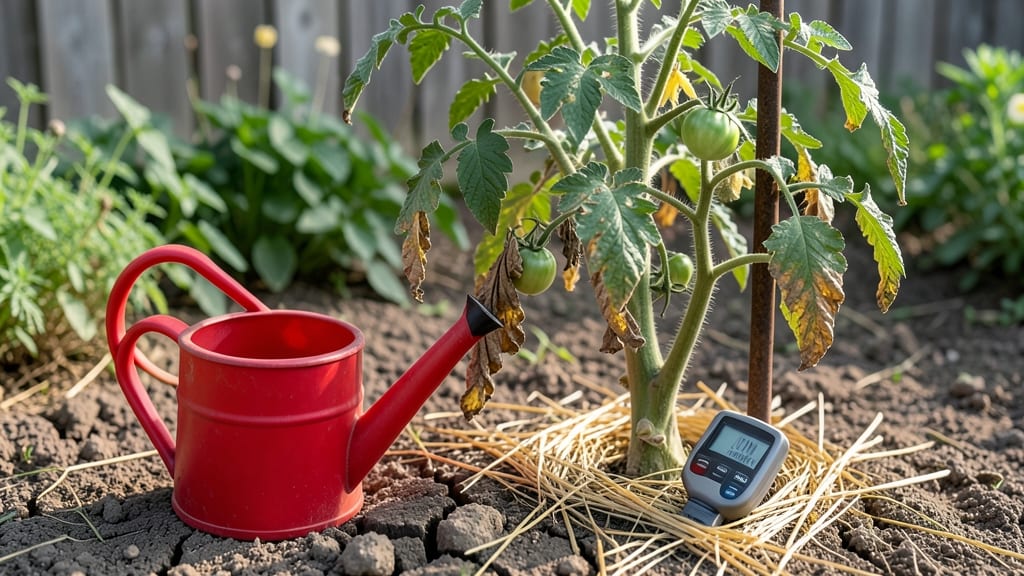
Your tomato plants drying out doesn’t mean they’re dead—it’s often just a cry for help. ☀️ I’ve saved dozens of wilting plants by fixing the root causes, and the key is acting fast before the damage spreads.
Whether it’s thirst, heat stress, or even a hidden pest, there’s always a way to bring them back to life.
The first step is checking the soil—stick your finger in about an inch deep. If it’s bone dry, water deeply until it’s moist but not soggy. For heat stress, move plants to partial shade and mulch heavily to lock in moisture.
And if you spot yellowing leaves or spots, that could signal disease like verticillium wilt, which needs a different approach.
Within hours of proper care, you’ll see leaves perk up and new growth appear. The secret is consistency: water at the base in the morning, keep mulch fresh, and watch for pests like aphids hiding under leaves. A few simple tweaks can turn a dying plant into a thriving one.
Prevention is easier than rescue—so once you’ve revived your plants, focus on shade cloth for hot days, drip irrigation for steady moisture, and regular checks for early signs of stress. Your tomatoes will thank you with juicy, flavorful fruit all season long.
📚 In This Guide
- What you need
- Instructions
- Tips and common mistakes
- Wrapping up and next steps
What you need
- ● Watering can or hose (with adjustable nozzle for gentle watering)
- ● Pruning shears or sharp scissors (sterilized with rubbing alcohol)
- ● Organic mulch (straw, wood chips, or shredded leaves—5-7 lbs for a medium-sized plant)
- ● Balanced liquid fertilizer (10-10-10 or similar, 1 tbsp per gallon of water)
- ● Spray bottle (for misting leaves if humidity is low)
- ● Damp newspaper or cardboard (to cover soil temporarily if roots are exposed)
- ● pH test kit (to check soil acidity—ideal range: 6.0-6.8)
- ● Moisture meter (to track soil hydration levels)
- ● Epsom salt (1 tbsp per gallon of water, for magnesium boost)
- ● Companion plants (basil, marigolds, or borage to improve soil health)
How to revive wilted tomato plants fast
Here’s my go-to method for bringing tomato plants back from the brink—no fancy tools needed.
💧 Step 1: Check the Roots and Soil First
Gently loosen the top inch of soil around the base of the plant with your fingers. If the roots look dry and brittle, or the soil crumbles instead of holding together, that’s your first clue. Wilting often happens when roots can’t pull up enough moisture, so don’t assume it’s just heat stress—sometimes it’s a deeper issue.
Look for signs of root rot too: mushy, dark roots mean overwatering, while dry, white roots mean thirst. If the soil smells sour or has mold, you’ve got a bigger problem than just wilting. Waterlogged roots won’t recover quickly, so act fast if the soil feels soggy.
🌿 Step 2: Water Deeply and Slowly
Fill a watering can or large cup with lukewarm water (cold water shocks stressed plants). Pour it directly into the soil at the base, not over the leaves, until water runs out the drainage holes. This encourages roots to grow deeper, where moisture lasts longer. Avoid sprinkling from above—it dries leaves faster and can lead to fungal issues.
Stop when the top 2-3 inches of soil feel damp but not soaked. You’re aiming for moisture that clings together when squeezed but doesn’t drip. If the soil repels water like a sponge, it’s too dry—keep watering in small batches until it absorbs. This method prevents runoff and ensures roots get a proper drink.
☀️ Step 3: Shield from Sun and Wind
Move the plant to a spot with partial shade for at least 2-3 hours—a porch, patio cover, or even a large umbrella works. Direct sun after wilting acts like a hairdryer, evaporating moisture before roots can recover. If you can’t move the plant, drape a lightweight fabric (like an old sheet) over it to diffuse the light.
Check for wind exposure too—even a gentle breeze dries leaves faster. If your plant is in a container, place it against a wall or fence to block wind. Keep it there until new growth appears, usually within 24-48 hours. This step is critical: plants recover faster when they’re not fighting heat and wind stress.
✂️ Step 4: Trim Damaged Foliage
Use clean, sharp scissors or pruners to snip off any leaves that are completely brown or crispy. Focus on the lower third of the plant first—these leaves are often the oldest and least productive. Avoid cutting healthy green leaves, even if they’re wilted; they can still recover and photosynthesize.
Make cuts at a 45-degree angle, about ¼ inch above a leaf node (where leaves branch out). This encourages new growth from the remaining healthy stems. After trimming, wipe your tools with rubbing alcohol to prevent spreading disease. Less foliage means the plant uses less water, which helps it bounce back faster.
🌱 Step 5: Monitor and Repeat as Needed
Check the soil every 4-6 hours for the first day—wilting can return if the plant dries out again. If the leaves perk up but droop later, it’s a sign the roots need more time to recover. Keep the plant in shade for another 24 hours if it’s still struggling. Overwatering now is worse than underwatering; let the soil dry slightly between waterings once the plant stabilizes.
After 48 hours, gradually reintroduce sunlight by moving the plant to a spot with morning sun only. Full sun can be reintroduced over 3-5 days once new growth appears. Watch for yellowing leaves—this is normal as the plant adjusts, but if it spreads to new leaves, it’s a sign of stress or nutrient loss. A light application of balanced fertilizer (like 10-10-10) can help if growth stalls.
Tips & tricks for reviving wilted tomato plants
Here's what nobody tells you about saving tomato plants that'll make all the difference in your garden.
Root Check: When you're examining the roots in Step 1, pay special attention to the color and texture. Healthy roots should be white or light tan, while dark brown or black roots indicate rot from overwatering. If you find rot, you'll need to trim away the affected sections immediately—this is your first line of defense against permanent damage. The top inch of soil should feel slightly moist but not compacted like wet clay.
Watering Technique: In Step 2, the key is patience when watering. Pour the lukewarm water slowly and let it soak in completely before adding more. You're aiming for that "squeeze test" where moisture clings together but doesn't drip—this prevents both underwatering and overwatering. If you're using a container, make sure it has drainage holes; without them, water will pool and cause root rot.
Shade Strategy: For Step 3, if you don't have a porch or patio cover, try using a large cardboard box or even a white bedsheet draped over a frame to create shade. The goal is to reduce light intensity by about 50%—think of it as giving your plant a cool, shaded break. This is especially important if your plant is in a sunny spot, as direct sunlight can actually worsen wilting by increasing evaporation.
Pruning Precision: When trimming in Step 4, focus on removing only the most damaged leaves. Healthy green leaves, even if wilted, can still photosynthesize and help the plant recover. Make your cuts just above a leaf node at a 45-degree angle—this encourages new growth from that point. After trimming, always wipe your tools with rubbing alcohol to prevent spreading any potential diseases to your healthy plants.
Pro Tips for Tomato Plants Drying Out
- Here's what nobody tells you about saving tomato plants that'll make all the difference in your garden.
- Root Check: When you're examining the roots in Step 1, pay special attention to the color and texture.
- Watering Technique: In Step 2, the key is patience when watering.
Frequently asked questions
Got questions about saving your wilting tomato plants? You’re not alone—dry, crispy leaves can be stressful, but quick action makes all the difference! Here are answers to the most common concerns:
Why are my tomato plant leaves drying out so fast?
Overwatering or underwatering, extreme heat, or poor drainage are the top culprits. Check the soil: if it’s bone-dry or soggy, your plant is in distress. Pro tip: Stick your finger 2 inches deep—if it’s dry, water deeply; if it’s wet, hold off until the top inch feels dry.
How long does it take for tomato plants to recover from drying out?
With proper care, most plants bounce back in 3–7 days. Trim severely damaged leaves, adjust watering, and provide shade if it’s scorching. If roots are rotted (mushy stems), recovery may take 2+ weeks or require replanting.
What’s the best way to water tomato plants to prevent drying?
Deep, infrequent watering is key! Water at the base (not leaves) in the morning to reduce evaporation. Use drip irrigation or soaker hoses for consistency. Mulch with straw or grass clippings to retain moisture—this cuts watering needs by 30–50%!
Can I save a tomato plant if the leaves are already crispy and brown?
Yes, but act fast! Prune the dead leaves (use clean scissors), water thoroughly, and move the plant to partial shade for 2–3 days. If the stems are still firm, new growth should sprout in 1–2 weeks. If the entire plant is brittle, it may be past saving.
Are there companion plants that help prevent tomato drying?
Plant basil, marigolds, or borage nearby—they repel pests, improve soil, and shade roots. Avoid fennel or cabbage, which compete for water. A living mulch like clover also keeps soil moist and suppresses weeds.
Wrapping up and next steps
Don’t let wilting tomato plants stress you out—with the right care, your garden can bounce back stronger than ever! 🌱 Whether it’s adjusting watering habits, pruning wisely, or adding companion plants, small tweaks make a big difference. Your green thumb is closer than you think—just take action today!
Ready to turn things around? Start by checking your plants now—revive one leaf at a time, and soon, you’ll be harvesting juicy tomatoes again. Happy gardening! 🍅✨