
Plants
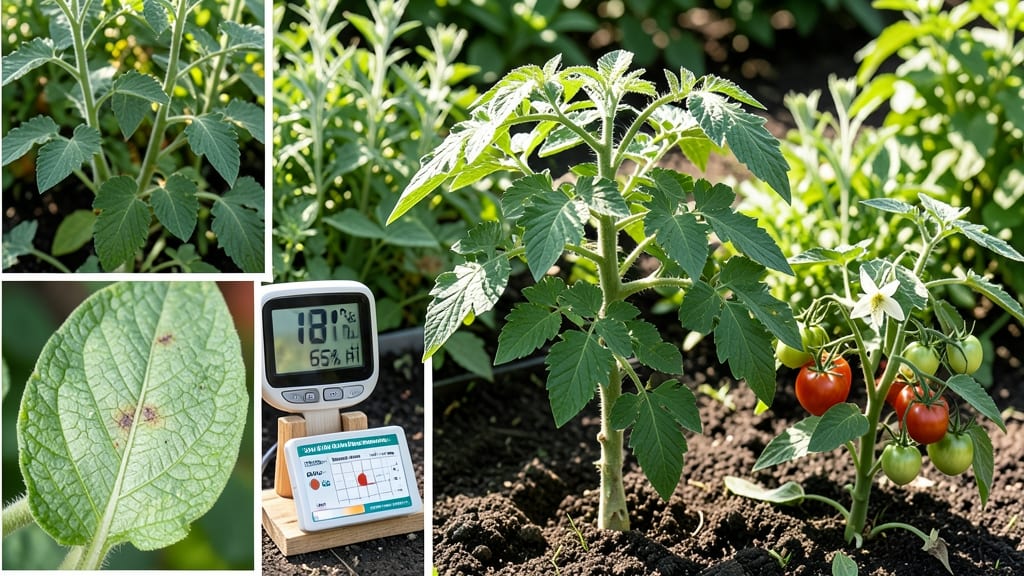
Tomato plants not flowering? That frustrating sight of lush green leaves but no blossoms means your plants are stuck in growth mode. 🌱 I’ve seen this happen when temperatures swing too hot or cold, light levels dip, or the wrong fertilizer gets applied—all fixable with simple adjustments.
The most common culprits are temperature extremes (below 55°F or above 90°F) and over-fertilizing with nitrogen, which pushes leafy growth at the expense of flowers. Even transplant shock or pests like aphids can derail blooming.
The good news? Each issue has a targeted solution—like adjusting watering, pruning strategically, or moving plants to sunnier spots.
Within 7–10 days of making these tweaks, you’ll often see new flower clusters forming. The key is acting fast—once the plant shifts from vegetative to flowering mode, you’ll start seeing those prized tomatoes in 4–6 weeks. Let’s get your plants back on track.
This works for determinate and indeterminate varieties, container-grown plants, and even greenhouse setups. The same principles apply whether you’re dealing with a single stunted plant or a whole garden full of them. Here’s how to diagnose and fix it step by step.
Root Causes Of Stalled Blooms
When your tomato plants refuse to flower, it’s often a sign that something fundamental is off—whether it’s their environment, health, or even their internal biology. Understanding these triggers is the first step to reviving your plants and getting them to produce those coveted tomatoes.
Let’s break down the top reasons your tomato plants are stuck in leafy limbo, with clear science-backed explanations.
Tomatoes are sun worshippers—they need 6–8+ hours of direct sunlight daily to trigger flowering. When light is lacking, plants focus all their energy on leaf growth instead of producing flowers (a survival tactic to maximize photosynthesis).
Why it happens:
- Short daylight hours (common in cloudy climates or shaded gardens) reduce the plant’s ability to produce florigen, a hormone that signals flowering.
- Indoor or greenhouse growers often use artificial light, but LED grow lights must be high-intensity (10,000–20,000 lux) and run for 14–16 hours/day to mimic long summer days.
- Overcrowding or nearby tall plants can cast shadows, starving your tomatoes of light.
Quick check: If your plants are leggy with pale green leaves, they’re light-deprived. Move them to a sunnier spot or supplement with grow lights.
Tomatoes are warm-weather plants and thrive in 70–85°F (21–29°C) daytime temps. Too hot or too cold throws their flowering cycle into chaos.
Why it happens:
- Cold snaps (below 50°F/10°C at night) slow metabolism, halting flower production. Early spring or fall plantings often suffer.
- Heat stress (above 90°F/32°C) causes flower drop—buds form but abort before opening. This is especially common in determinate varieties (bush tomatoes).
- Drafty conditions (like near AC units or windy spots) create inconsistent temps, confusing the plant’s internal clock.
Pro tip: 🌡️ Use row covers in early spring for frost protection, and provide afternoon shade in scorching climates (like black shade cloth). For indoor growers, maintain consistent temps with a small fan or heater.
Water and nutrients are the lifeblood of flowering. Get it wrong, and your plant will prioritize survival over reproduction.
Why it happens:
- Inconsistent watering (drought stress or soggy roots) disrupts pollination signals. Tomatoes need steady moisture, especially during bud formation.
- Over-fertilizing with nitrogen (the "green" fertilizer) promotes leafy growth at the expense of flowers. A high N-P-K ratio like 3-1-2 (e.g., 10-10-10) can delay blooming.
- Deficiencies in phosphorus (P) or potassium (K) are critical for flower development. Yellowing leaves with purple stems? That’s a classic phosphorus deficiency (the "P" in NPK).
- Calcium deficiency (common in acidic soils) causes blossom end rot and weak flower buds. Tomatoes need calcium for cell wall strength—think of it as the "glue" holding flowers together.
Soil test hack: 🔍 Use a DIY soil test kit (or send a sample to a local extension office) to check pH and nutrient levels. Tomatoes prefer slightly acidic to neutral soil (6.0–6.8 pH).
Even minor disruptions can send tomato plants into "survival mode," pausing flower production until they recover.
Why it happens:
- Transplant shock (root disturbance during moving or repotting) diverts energy to regrowing roots instead of flowers. Deep watering before and after transplanting helps.
- Over-pruning (especially removing too many suckers or leaves) reduces the plant’s ability to photosynthesize, starving it of energy for blooms.
- Root-bound pots (if growing in containers) cause root competition, where the plant can’t allocate resources to flowers.
Pruning best practices: ✂️ For indeterminate tomatoes, remove suckers below the first flower cluster to encourage upward growth. Determinate varieties need minimal pruning—just remove diseased leaves.
Tomatoes are self-pollinating, but they still need a little help—especially in greenhouses, containers, or windless conditions.
Why it happens:
- Bees and hummingbirds (their natural pollinators) may be absent in urban or indoor settings.
- Humidity levels affect pollen transfer—low humidity can cause pollen to dry out before reaching the stigma (the flower’s receptive part).
- Wind-pollinated varieties (like some heirlooms) struggle in still-air environments.
DIY pollination fix: 🐝 Gently shake plants in the morning (when pollen is fresh) or use a small paintbrush to transfer pollen from male to female flowers (look for the tiny ovary at the base of the flower—that’s the female part).
When tomato plants are under attack, they shut down reproductive functions to fight for survival.
Why it happens:
- Fungal diseases (like early blight or powdery mildew) weaken the plant, reducing energy for flowers.
- Pests (aphids, whiteflies, or spider mites) sap nutrients and secrete honeydew, which attracts sooty mold—all of which stress the plant.
- Viral infections (spread by sap-sucking insects) can stunt growth entirely, including flower buds.
Early intervention: 🛡️ Inspect leaves daily for holes, discoloration, or sticky residue. Neem oil or insecticidal soap can treat mild infestations, while copper fungicides help with early blight.
Not all tomatoes are created equal—some varieties are better suited to short seasons, heat, or cool weather.
Why it happens:
- Long-season varieties (like Brandywine or Cherokee Purple) need 90+ days of warm weather to flower and fruit. Planting them too late in short growing zones (e.g., Zone 5) means no blooms by frost.
- Heat-sensitive varieties (like Roma or San Marzano) may drop flowers in temperatures above 85°F (29°C).
- Cold-hardy varieties (like Stupice or Glacier) are bred to flower early but may struggle in sweltering summers.
Solution: 🌍 Check your USDA zone and choose fast-maturing varieties (e.g., Early Girl, Patio, or Tiny Tim) for cooler climates. For hot regions, opt for heat-tolerant types like Solar Fire or Heatmaster.
Sometimes, the issue isn’t external—it’s internal. Plant hormones regulate flowering, and disruptions can halt the process.
Why it happens:
- Ethylene gas (released by ripe fruits, compost, or even stress) can trigger premature flowering in some plants, but in tomatoes, too much ethylene (from overripe fruit left on the plant) can confuse the plant’s cycle.
- Gibberellins (a class of plant hormones) promote stem elongation but inhibit flowering if overproduced. This can happen with excessive nitrogen or certain synthetic fertilizers.
- Stress hormones (abscisic acid) spike during drought or extreme temps, pausing flower development until conditions improve.
Natural fix: 🌿 Remove overripe tomatoes promptly to reduce ethylene buildup. Use balanced organic fertilizers (like fish emulsion or compost tea) to avoid hormonal imbalances.
How to solve it
When your tomato plants throw a tantrum and refuse to flower, don’t panic—just roll up your sleeves! The key is to tackle the root cause while giving your plants the right conditions to thrive.
Below, we’ve broken down practical, step-by-step solutions for the most common reasons why tomatoes skip the flowering stage. Think of this as your garden rescue manual—no green thumb required!
Tomatoes are dramatic divas when it comes to temperature. They need a sweet spot—55–85°F (13–29°C)—to set flowers. If it’s too hot (like a scorching summer afternoon) or too cold (early spring chills), they’ll hit pause on blooming.
🔥 Fix It: Create the Perfect Climate
- Shade cloth to the rescue! If temps creep above 90°F (32°C), drape 30–50% shade cloth over plants for a few hours a day. This keeps leaves cool and stress-free.
- Morning sun, afternoon break. Plant tomatoes where they get 6–8 hours of sun, but shift them slightly to avoid harsh afternoon rays in extreme heat.
- Cold snaps? Protect them! Use row covers or cold frames if nighttime temps dip below 50°F (10°C). A simple frost blanket can save the day.
- Mulch like a pro. Spread 2–3 inches of straw or grass clippings around the base to regulate soil temperature and retain moisture.
💡 Prevention Tip
If you’re in a hot climate, opt for heat-tolerant varieties like ‘Solar Fire’ or ‘Heatmaster.’ They’re built to handle the heat without throwing a fit!
Tomatoes are thirsty but picky—they hate soggy roots or dry spells. Inconsistent watering (like a toddler forgetting to drink) can stall flowering. Even worse? Overwatering can drown roots and cause blossom drop.
🍳 Fix It: Master the Watering Routine
- Deep and infrequent wins. Water 1–2 inches per week (more in heatwaves), focusing on the soil, not the leaves. Use a drip irrigation system or soaker hose to deliver water slowly at the base.
- Morning is prime time. Water early in the day so foliage dries quickly, reducing fungal risks (like blight) that can stress plants.
- Check the soil, don’t guess. Stick your finger 1–2 inches deep—if it’s dry, water. If it’s muddy, hold off until it drains.
- Mulch to lock in moisture. A 3-inch layer of mulch (straw, wood chips) keeps soil evenly moist and cools roots.
🔥 Pro Tip
If your plants are already stressed from underwatering, give them a deep soak and watch for new growth within 3–5 days. No instant results? Check for root rot!
Tomatoes are heavy feeders, but too much (or too little) of the wrong nutrients can shut down flowering. Common culprits? Excess nitrogen (leafy monster growth) or deficient phosphorus/potassium (weak stems, no blooms).
👨🍳 Fix It: Feed Them Right
- Balance is key. Use a 5-10-10 or 10-10-10 fertilizer (lower nitrogen, higher phosphorus/potassium) when you see the first true leaves. Switch to a low-nitrogen formula (like 3-4-6) once flowering starts.
- Organic boost for blooms. Mix in bone meal (1–2 tbsp per plant) or composted manure at planting time for a phosphorus kick.
- Epsom salt hack. Dissolve 1 tbsp Epsom salt in a gallon of water and spray foliage every 2 weeks for a magnesium boost (helps with blossom set).
- Avoid over-fertilizing. Too much nitrogen = leafy greens, no tomatoes. Follow package instructions and never fertilize stressed plants.
🎯 Prevention Tip
Test your soil before planting! A DIY soil test kit (or send a sample to your local extension office) reveals deficiencies. Adjust amendments 4–6 weeks before transplanting for best results.
Tomatoes are competitive plants. If they’re overcrowded or root-bound, their energy goes into surviving—not producing flowers. Even poor pruning can confuse them into growing leaves instead of blooms.
⏰ Fix It: Prune and Space Like a Pro
- Thin out the competition. Space plants 18–24 inches apart (36 inches for indeterminate varieties). Remove nearby weeds or shallow-rooted plants stealing nutrients.
- Prune for airflow. Trim suckers (side shoots) regularly to redirect energy to fruit production. Keep 2–3 main stems for determinate varieties, or prune indeterminate plants to an open vase shape.
- Support struggling stems. Use cages or stakes to keep plants upright—this prevents stress from flopping and improves sun exposure.
- Transplant if needed. If roots are circling in a pot, uproot and refresh the soil or move to a larger container (minimum 5-gallon size).
✨ Pro Tip
For container tomatoes, choose determinate varieties (like ‘Patio’ or ‘Tiny Tim’) that stay compact. They’re less prone to stress and flower more reliably in small spaces!
Final Thought: Patience is key! After adjusting conditions, it can take 1–2 weeks to see new flower buds. Keep an eye out for tiny yellow or green blossoms—they’re your sign that the fix is working! 🌸
Frequently asked questions
Why do my tomato plants have lots of leaves but no flowers?
This usually happens when your plants get too much nitrogen (the first number in NPK fertilizer), which promotes leafy growth at the expense of flowers. Check your fertilizer ratio—switch to a balanced or phosphorus-heavy formula (like 5-10-10) and reduce applications. Also ensure they're getting 6-8 hours of direct sunlight daily.
Can temperature really stop tomato flowers from forming?
Tomatoes need daytime temps between 70-85°F (21-29°C). Below 55°F (13°C) or above 90°F (32°C) can halt flowering completely. For cold snaps, use row covers, and for heat stress, provide afternoon shade with 30-50% shade cloth.
How long does it take to see new flowers after making changes?
With proper adjustments (light, temperature, fertilization), you should see new flower buds in 7-14 days. The key is consistency—keep conditions stable and avoid overwatering or over-fertilizing. If you don't see progress after 2 weeks, check for pests or diseases that might be stressing the plant.
What's the difference between determinate and indeterminate tomato varieties?
Determinate varieties (like 'Roma') grow to a fixed size and produce fruit all at once, while indeterminate types (like 'Sungold') keep growing and flowering all season. Indeterminate plants need more pruning and support but produce continuously. Choose determinate types for cooler climates or containers.
Can I still save my tomato plants if they're root-bound in a pot?
Yes! Gently loosen the roots and repot into a container at least 5 gallons larger with fresh potting mix. Water thoroughly and place in full sun. If roots are severely damaged, trim the worst before repotting. This often triggers new growth within 5-7 days.