
Plants
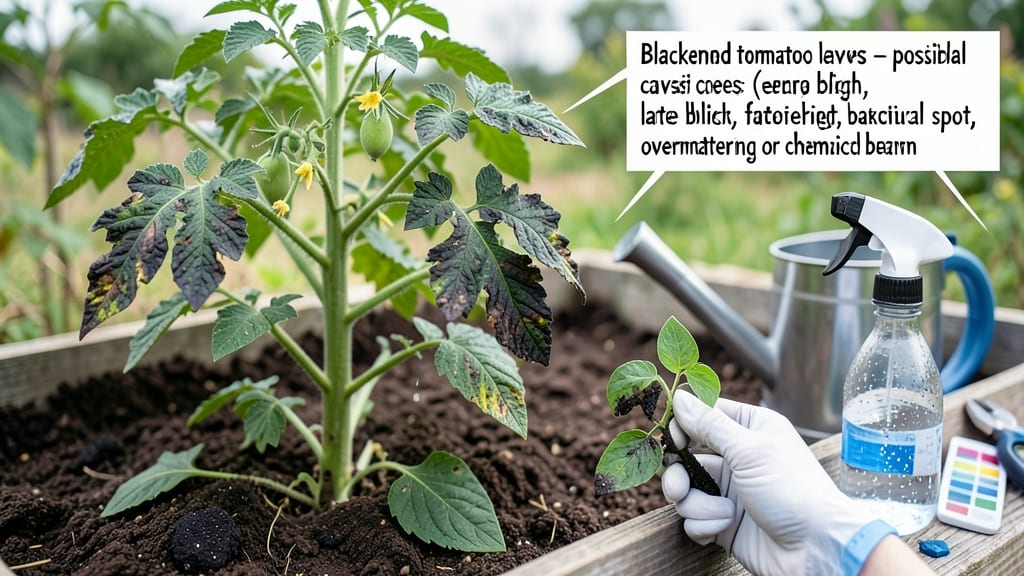
When your tomato plants turn black overnight, it’s not just wilting—it’s a fungal blight emergency. 🌱 I’ve seen this devastate gardens in just days, but copper spray and proper pruning can turn things around before your plants are lost.
The black spots start on leaves, then spread to stems and fruit. Overwatering, poor airflow, or wet foliage create the perfect storm for early blight or late blight. The good news? Copper fungicide stops the spread, and removing infected leaves prevents further damage.
Within a week of treatment, you’ll see new growth pushing through. The key is catching it early—once the fungus takes hold, recovery gets harder. I’ve saved entire plants just by acting fast and keeping the garden dry.
Works for both early and late blight, and the same steps prevent future outbreaks. Let’s get those tomatoes thriving again!
Root Causes Behind Darkened Tomato Leaves
When your tomato plants start turning black, it’s rarely a random act of nature—it’s usually a cry for help from the plant itself. Understanding the why behind the discoloration is the first step toward saving your harvest.
Below, we break down the most common culprits, from environmental stressors to sneaky pathogens, with the science behind each one.
Tomatoes love warmth, but too much direct sunlight—especially during scorching summer days—can cause leaves to literally crisp and blacken. This isn’t just wilting; it’s sun scorch, a type of physiological damage where excessive heat disrupts cell membranes, leading to browning and necrosis (dead tissue).
🔍 How to spot it:
- Blackened or bleached patches on upper leaves (facing the sun).
- Leaves may feel dry or papery to the touch.
- Problem worsens in afternoon heat (100°F/38°C+).
💡 Why it happens:
Plants transpire (release water) to cool themselves, but under extreme heat, they can’t keep up. The excess sunlight generates reactive oxygen species (ROS), which damage chlorophyll and cell walls, turning leaves black or white.
Water is the lifeblood of tomato plants, but too little or too much can trigger blackening. Let’s dissect the two extremes:
🔥 Underwatering (Drought Stress)
When soil dries out, roots struggle to absorb water, causing wilting and necrotic blackening on leaf edges. The plant prioritizes water for critical functions (like fruit growth), leaving older leaves to suffer.
🔍 Signs:
- Blackened, crispy edges on lower leaves.
- Soil pulls away from pot edges (if container-grown).
- Leaves droop but don’t snap back when watered.
💡 Science behind it:
Underwatering triggers abscisic acid (ABA) production, a stress hormone that closes stomata (pores) to conserve water. This shuts down photosynthesis, leading to cell death and blackening.
🌊 Overwatering (Root Rot & Fungal Invitation)
Soggy soil suffocates roots, cutting off oxygen and inviting Pythium or Phytophthora fungi, which rot roots and spread black lesions upward. Overwatering also dilutes nutrients, weakening the plant’s defenses.
🔍 Signs:
- Black, mushy stems at the soil line.
- Yellowing leaves that eventually turn black.
- Foul smell from the soil (like rotten eggs).
💡 Why it happens:
Waterlogged soil creates anaerobic conditions, where roots can’t respire (breathe). Fungi thrive in this environment, releasing cellulase enzymes that break down plant cell walls—turning tissues black and slimy.
Fungi like early blight (Alternaria solani) and late blight (Phytophthora infestans) are the #1 cause of blackened tomato leaves. These pathogens don’t just discolor—they spread rapidly in humid conditions, destroying entire plants if unchecked.
🔥 Early Blight (Alternaria)
Causes concentric black rings on lower leaves, starting as small spots that expand into larger, tarry patches. Unlike late blight, it thrives in dry, warm weather.
💡 How it works:
The fungus Alternaria solani produces toxins that disrupt the plant’s cuticle layer (its protective waxy skin), allowing water loss and cell death. Spores spread via wind, water, or tools.
🌧️ Late Blight (Phytophthora)
The most aggressive tomato killer, late blight creates greasy, black lesions with white mold on the undersides of leaves. It spreads in cool, wet conditions (50–77°F/10–25°C) and can destroy plants in days.
💡 Science of destruction:
This oomycete (not a true fungus) releases cellulolytic enzymes that dissolve plant cell walls. It also produces effectors—molecular weapons—that suppress the tomato’s immune response.
Not all blackening is biological. Sometimes, it’s a case of human error or creepy-crawlies doing the damage:
🔪 Mechanical Injury (Pruning Gone Wrong)
Aggressive pruning or rough handling can tear leaves, exposing them to secondary infections. The edges turn black as the plant seals off damaged tissue.
🐜 Sap-Sucking Pests (Aphids, Spider Mites)
These pests inject toxins while feeding, causing leaves to curl, yellow, and eventually blacken. They also transmit viruses like Tomato Spotted Wilt Virus (TSWV), which causes necrotic spots.
💡 How to confirm:
Check leaf undersides for sticky honeydew (aphids) or fine webbing (spider mites). Infested plants often show stunted growth alongside blackening.
Too much of a good thing—like fertilizer burn or pesticide overdose—can turn tomato leaves black. Over-application of nitrogen or salt-based fertilizers (e.g., Epsom salt) disrupts osmosis, causing cells to plasmolyze (shrink and die).
🔍 Signs of chemical damage:
- Blackened leaf tips or edges (like a "scorched" look).
- Yellowing between veins (a classic nutrient burn symptom).
- Crispy, brittle texture on affected areas.
💡 Why it happens:
Excess salts or chemicals disrupt the plant’s water balance, causing cells to lose turgor pressure. The plant’s defense mechanism is to seal off damaged areas, which appears as blackened, dead tissue.
Now that you know why your tomato plants are turning black, the next step is how to fix it. (Stay tuned—we’ll cover treatments next!) 🚀
Quick Fixes for Blackened Tomato Leaves
If your tomato plants are turning black, don’t panic—there are practical ways to revive them and prevent further damage. Below are targeted solutions based on the most common causes, along with easy-to-follow steps and prevention tips to keep your plants thriving.
Fungal infections are the #1 culprit behind blackened tomato leaves. These diseases thrive in damp conditions and can spread rapidly if left unchecked.
🔥 Remove Infected Plant Debris
- Prune aggressively: Use clean, sharp shears to cut off all blackened or yellowing leaves—even if they’re just 10% affected. Fungi spread through spores, and removing infected foliage stops the cycle.
- Dispose properly: Don’t compost diseased leaves.
Instead, seal them in a plastic bag and toss them in the trash (or burn them if possible). 3. Sanitize tools: Wipe your pruners with rubbing alcohol between cuts to avoid cross-contamination.
🍳 Apply Copper-Based Fungicide
Copper sprays (like copper sulfate or copper hydroxide) are organic, effective, and safe for edible plants.
- Mix it right: Follow label instructions (typically 1–2 tbsp per gallon of water).
- Spray thoroughly: Coat both sides of leaves, stems, and even the soil around the base.
Focus on the undersides—fungi love hiding there! - Reapply preventatively: Spray every 7–10 days or after heavy rain to maintain a protective barrier.
🌡️ Improve Air Circulation & Reduce Moisture
Fungi adore humidity, so tweak your garden setup:
- Space plants 18–24 inches apart to allow airflow.
- Avoid overhead watering: Water at the base in the morning so leaves dry quickly.
- Use row covers if rain is frequent, but remove them during pollination (tomatoes need bees!).
💡 Pro Tip: Baking Soda Spray (Mild Cases)
For early-stage fungal spots, a baking soda spray can help:
- Mix 1 tsp baking soda + 1 tbsp vegetable oil + 1 tsp dish soap per quart of water.
- Spray leaves every 7–10 days (test on a small area first—some plants are sensitive).
Blackened leaves can also signal root rot or waterlogged soil, which suffocates plants.
⏰ Adjust Your Watering Habits
- Check soil moisture: Stick your finger 1–2 inches deep—if it’s damp, wait before watering.
- Water deeply but less often: Aim for 1–1.5 inches per week (including rain).
Use a drip irrigation system to keep soil consistently moist but not soggy. - Avoid soggy soil: If your garden has clay or compacted soil, amend it with compost or perlite to improve drainage.
👨🍳 Fix Drainage Issues
- Raise containers: If growing in pots, ensure they have drainage holes and elevate them slightly.
- Mulch properly: Use straw or wood chips (not plastic) to retain moisture without smothering roots.
Extreme heat or cold can cause sunscald or cold damage, leading to blackened patches.
🌞 Shield from Harsh Sun
- Provide afternoon shade: Use shade cloth (30–50%) if temps exceed 90°F (32°C).
- Use reflective mulch: Lay white plastic or aluminum foil around plants to bounce back sunlight.
🥶 Protect from Frost
- Cover plants with frost cloth if nighttime temps drop below 50°F (10°C).
- Grow in containers: Move pots to a sheltered spot if frost is forecasted.
Chemical burns or sap-sucking pests (like aphids or spider mites) can weaken plants, making them susceptible to blackening.
🔪 Treat Pest Infestations
- Spray with neem oil: Mix 1 tbsp neem oil + 1 tsp mild soap per quart of water.
Spray every 5–7 days until pests are gone. - Introduce beneficial insects: Ladybugs and lacewings devour aphids—buy them online or attract them with dill or marigolds.
🚫 Avoid Herbicide Drift
If you’ve used glyphosate or other herbicides nearby, the spray can drift and burn tomato leaves.
- Solution: Trim damaged leaves and flush soil with water to dilute residue.
- Prevention: Never spray herbicides on windy days or near edible plants.
To keep your plants black-spot-free, follow this year-round care plan: ✅ Rotate crops: Avoid planting tomatoes in the same spot every year (fungi build up in soil). ✅ Start with resistant varieties: Choose heirloom or hybrid tomatoes labeled as disease-resistant (e.g., ‘Mountain Merit’ or ‘Defiant PhR’). ✅ Plant at the right time: Wait until soil is at least 60°F (15°C)—cold soil slows growth and weakens plants. ✅ Fertilize wisely: Use a balanced fertilizer (10-10-10) at planting, then switch to low-nitrogen (5-10-10) when flowers appear to boost fruit production, not foliage. ✅ Monitor daily: Check plants every 2–3 days for early signs of blackening or wilting.
Final Thought: Most blackened tomato leaves can be reversed with quick action—prune, spray, and adjust care habits. If the problem persists, your plant may be too far gone, but save healthy stems to propagate new plants! 🌱
Frequently asked questions
Can I still save my tomato plant if most of the leaves are turning black?
It depends on the cause! For fungal blight, act fast by pruning all blackened leaves and applying copper spray within 24 hours. If it’s root rot, you’ll need to improve drainage immediately. If over 50% of the plant is affected, consider saving healthy stems for propagation instead.
Why does my tomato plant turn black only at the edges?
Edge blackening usually signals underwatering or nutrient burn. Check soil moisture—if it’s dry, water deeply. For chemical damage, flush soil with water and reduce fertilizer use. If edges curl first, it’s often drought stress from inconsistent watering.
How do I tell if black spots are from blight or just sun damage?
Blight spots are greasy, spreading with concentric rings (early blight) or white mold underneath (late blight). Sun damage appears on upper leaves only, feels dry/papery, and happens during afternoon heat. Blight spreads upward; sun damage stays localized.
Will baking soda really work for black spots on tomatoes?
Yes, but only for early-stage fungal spots! Mix 1 tsp baking soda + 1 tbsp oil + 1 tsp soap per quart of water and spray every 7–10 days. It’s best for prevention rather than curing severe blight. Test on a small leaf first—some varieties are sensitive.
Can I use the same copper spray on my tomatoes and other garden plants?
Yes, copper fungicides are safe for most edible and ornamental plants when used correctly. Just follow label rates—too much can damage foliage. Avoid spraying in direct sun (can cause leaf burn) and always cover soil to prevent root uptake.