
Pests
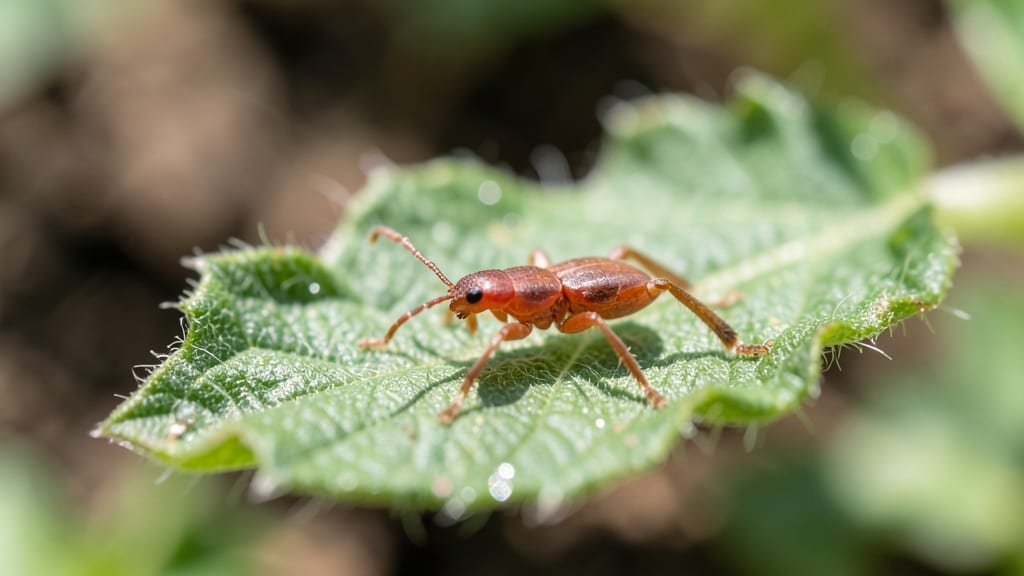
Your tomato plants' leaves turning rust-colored isn't just cosmetic—it's a tomato rust mite invasion that can cut yields by half if ignored. 🌱 I've battled these tiny pests in my garden, and the good news is that organic sprays can stop them in their tracks within 48 hours when applied correctly.
The key is acting fast before the mites spread to every leaf.
These microscopic pests thrive in hot, dry conditions, sucking plant juices and leaving behind that telltale bronze or rusty appearance on undersides of leaves. Most gardeners miss the early signs because the damage starts small—just a few speckled leaves—before becoming overwhelming.
The damage isn't just unsightly; it weakens plants so they produce fewer, smaller tomatoes.
With the right organic spray—like neem oil or horticultural oil—you can smother these pests and see improvement within two days. The solution is simple: mix your spray, apply thoroughly (especially undersides), and repeat weekly until the new growth stays clean.
The best part? This method works alongside your regular watering routine without harming beneficial insects.
For long-term prevention, focus on shade cloth during peak heat and consistent moisture in the soil. My plants now stay healthier through summer because I caught the first signs early and kept up with weekly sprays. The rusty leaves disappear, and the tomatoes keep coming—just like they should.
Hidden Triggers Behind Plant Stress
The tomato rust mite isn’t just a random pest—it thrives when your plants are already under stress. Understanding the root causes helps you prevent outbreaks before they start. Below, we break down the key factors that turn your garden into a buffet for these microscopic troublemakers.
Tomato rust mites love warmth, but they hate extreme fluctuations. When temperatures soar above 85°F (29°C) or drop below 50°F (10°C), plants become weakened, making them prime targets. Here’s why:
- Heat shock: High temperatures disrupt cell membranes, making leaves more vulnerable to mite saliva (which causes rusty bronze spots).
- Cold stress: Chilly nights slow plant metabolism, reducing their ability to produce protective compounds like triterpenoids—natural mite repellents.
- Drought effects: Even mild water stress (wilting leaves) signals plants to prioritize survival over defense, leaving them defenseless.
Actionable fix: Use shade cloth in peak summer or mulch to stabilize soil temps. Water deeply in the morning to prevent afternoon heat stress.
Rust mites spread like wildfire in dense, humid conditions. When tomato plants are packed too closely or lack airflow, moisture lingers on leaves—creating the perfect breeding ground. Here’s the science:
- Humidity hotspots: Stagnant air (especially >70% humidity) allows mite eggs to hatch faster and nymphs to thrive. Poor ventilation also traps volatile organic compounds (VOCs) from stressed plants, which attract more mites.
- Fungal hitchhikers: Overcrowding often brings powdery mildew or botrytis, which rust mites feed on alongside plant sap.
- Physical damage: Bushy plants with overlapping leaves create microclimates where mites hide from sprays and predators.
Actionable fix:
- Space tomato plants 18–24 inches apart for airflow.
- Prune suckers and lower leaves to reduce humidity pockets.
- Use oscillating fans (on low) near plants to mimic wind and deter mites.
Plants with nitrogen excess or phosphorus/potassium deficiencies become mite magnets. Here’s how imbalances invite trouble:
| Nutrient Issue | How It Attracts Mites | Visual Clues |
|---|---|---|
| Too much nitrogen (N) | Soft, fast-growing leaves are easier for mites to pierce. High N also increases sucrose content, making sap sweeter to pests. | Dark green, lush foliage with weak stems. |
| Low potassium (K) | Reduces callose production—a plant’s natural wound-sealing response to mite saliva. | Yellowing leaf edges (scorching) or weak fruit walls. |
| Magnesium (Mg) deficiency | Chlorophyll breakdown weakens cell walls, making them easier for mites to breach. | Interveinal yellowing (older leaves first). |
Actionable fix:
- Test soil pH (6.0–6.8 is ideal for tomatoes). Adjust with lime (to raise pH) or sulfur (to lower it).
- Balance fertilizers with a low-N, high-K ratio (e.g., 5-10-10).
- Add compost tea or seaweed extract to boost natural defenses.
Rust mites often move in after other pests have already weakened a plant. For example:
- Aphids or spider mites: Their sticky honeydew (aphids) or webbing (spider mites) create a sticky film that traps rust mites and their eggs.
- Whiteflies: Their larvae excrete waste that alters leaf chemistry, making it more attractive to rust mites.
- Fungal pathogens: Infected leaves often have oxidative stress, which rust mites exploit to feed on damaged cells.
Actionable fix:
- Inspect plants weekly for early signs of pests (e.g., soapy water spray to dislodge aphids).
- Use neem oil or kaolin clay as a preventive barrier against multiple pests.
- Rotate crops annually to break pest life cycles.
Pro Tip: 💡 Rust mites are not just a summer problem—they hibernate in garden debris over winter. Clean up fallen leaves and prunings in autumn to starve them out before spring!
Quick Fixes for Tiny Leaf Thieves
Got those pesky rust mites wreaking havoc on your tomatoes? Don’t panic—these tiny pests may be small, but they’re no match for smart, organic solutions. Below, we’ve mapped out the best fixes based on the root cause of your problem, from early signs to full-blown infestations.
Plus, we’ll share prevention tips to keep your garden thriving long-term.
If your tomato leaves are covered in fine webbing or have a rusty, speckled appearance, mites are likely feeding on the undersides. Act fast before they spread.
🔥 Spray with Neem Oil (Best for Early Stages)
Neem oil is a powerhouse for mites because it disrupts their life cycle while being safe for plants and beneficial insects. How to do it: 1.
Mix 1 tablespoon of neem oil with 1 teaspoon of mild liquid soap (like Castile soap) in 1 quart of water. 2. Add 1 teaspoon of horticultural oil (optional, but boosts effectiveness). 3. Shake well and spray thoroughly on the undersides of leaves (where mites hide). 4.
Reapply every 5–7 days until the infestation clears.
✨ Pro Tip: Spray in the early morning or late evening to avoid harming bees and other pollinators.
If your tomato leaves are curling, yellowing, or dropping prematurely, mites may have weakened the plant’s ability to photosynthesize.
👨🍳 DIY Potassium Soap Spray (Fast Knockdown)
Potassium soap is a natural miticide that smothers mites on contact. How to do it: 1. Mix 1 tablespoon of potassium soap (like Dr. Bronner’s or Safer Brand) with 1 quart of water.
- Add 1 teaspoon of vegetable oil to help the soap stick to leaves.
- Spray directly on infested areas, focusing on the leaf undersides and stems.
- Repeat every 3–4 days until new growth appears healthy.
💡 Pro Tip: Test the spray on a small leaf first—some plants (like peppers) can be sensitive to soap.
If your plants look like they’ve been through a war zone (stunted growth, heavy webbing, or black sooty mold), you’ll need a stronger approach.
🔪 Combine Predatory Insects + Organic Spray
- Release beneficial insects like predatory mites (Phytoseiulus persimilis) or lacewings. These natural enemies will hunt down rust mites within 7–10 days.
- Spray with a mix of: - 1 tablespoon neem oil - 1 teaspoon insecticidal soap - 1 quart of water - 1 teaspoon baking soda (helps break down the mites’ protective webbing)
- Prune and dispose of heavily infested leaves in a sealed bag (don’t compost them!).
⏰ Timing Matters: Apply sprays in the early morning or evening when temperatures are below 85°F—heat can burn leaves.
Once you’ve kicked the mites to the curb, take these steps to prevent a comeback:
- 💦 Water Wisely: Keep soil consistently moist (mites love dry conditions).
Water early in the day so leaves dry quickly. - 🌿 Companion Planting: Grow marigolds, basil, or chives near tomatoes—their strong scents repel mites. - 🧼 Regular Cleanup: Remove and dispose of fallen leaves and debris where mites hide. - 🔍 Monitor Weekly: Check the undersides of leaves with a magnifying glass.
Early detection = easier fixes! - 🌡️ Avoid Overheating: Mites thrive in hot, dry climates. Use shade cloth in peak summer if needed.
By tackling rust mites with the right mix of organic sprays, beneficial insects, and smart prevention, your tomato plants will bounce back stronger—and stay pest-free! 🍅✨
Frequently asked questions
What do tomato rust mite damage look like on leaves?
Look for fine, rust-colored speckling or bronzing on leaf undersides—this is the mite's feeding damage. You may also spot tiny webbing between leaves, especially in hot, dry weather. Unlike spider mites, rust mites don't create large webs but leave a metallic sheen when viewed closely with a magnifying glass.
How quickly can rust mites spread to other plants?
These pests multiply rapidly in ideal conditions (warm, dry weather). Within 1-2 weeks, a single infestation can spread to nearby tomato plants and even other crops like peppers or eggplants. The key is catching early signs and treating before the mites establish colonies on multiple plants.
Will neem oil work if I've already seen webbing?
Yes, but you'll need to be more aggressive. For established infestations with webbing, combine neem oil with insecticidal soap and apply every 3-4 days for 2 weeks. Also add predatory mites (Phytoseiulus persimilis) to help control the population naturally. Remove heavily infested leaves immediately.
Can rust mites survive winter in my garden?
Absolutely—they hibernate in garden debris, plant debris, and even on dormant plants. Clean up all fallen leaves, prunings, and weeds in autumn, and consider solarizing soil in spring (covering with clear plastic for 4-6 weeks) to kill overwintering mites before planting new tomatoes.