
Vegetables
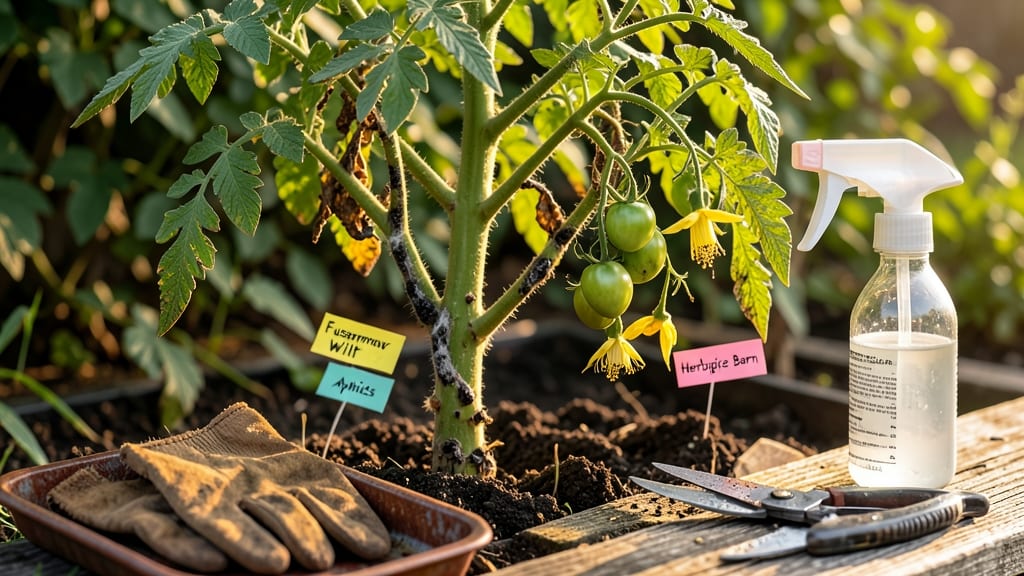
My tomato plants looked healthy until their stems started flopping like overcooked noodles—then I learned the hard way why stem strength matters. 🌱 The problem isn't always obvious: it could be pests chewing stems, fungal infections weakening structure, or even watering habits that turn stems to mush.
What starts as a slight wobble turns into a collapsed plant within days if you don't act fast.
Most stem issues share one cause: weak structural support. Hornworms hide in plain sight, cutworms sever stems at night, and fungal blights like early blight create soft spots where stems snap under fruit weight.
Even proper watering matters—too much causes cracking, while inconsistent moisture invites pests. The good news? You can fix it with simple, natural solutions that work before the plant hits the ground.
By reinforcing stems with stakes or cages, removing pests by hand (yes, really), and adjusting watering habits, you'll see plants standing tall within 3-5 days. The key is acting at the first sign of trouble—don't wait until the stems are already collapsing.
Once you spot the early warnings, you can save the plant and even boost future growth with stronger stems.
This works for both garden beds and containers, and the same principles apply whether you're growing heirlooms or hybrids. The difference between a productive tomato plant and a floppy mess often comes down to these simple stem-saving steps. Let's get your plants standing strong again.
Root Causes Of Stem Weakness
Tomato stems may seem sturdy, but they’re surprisingly delicate—especially when environmental stressors, pests, or poor growing practices interfere. Understanding the why behind stem problems is the first step to fixing them. Below, we break down the most common culprits, backed by science, so you can take targeted action.
Tomato plants rely on a strong root system to anchor their stems and transport nutrients. When roots become overcrowded, compacted, or starved for oxygen, stems weaken and flop like overcooked spaghetti.
Why it happens:
- Excessive nitrogen (common in fresh manure or synthetic fertilizers) promotes lush foliage but weakens structural support in stems. Think of it like a bodybuilder with huge muscles but jelly-like tendons—impressive but unstable.
- Poor drainage causes roots to suffocate, leading to root rot (Phytophthora or Fusarium). A waterlogged root zone can’t anchor the plant, causing stems to collapse under fruit weight.
- Shallow planting leaves the stem unsupported. Tomatoes need 2/3 of their stem buried at transplanting to encourage deeper root growth and stability.
Actionable fix:
- Test soil nitrogen levels (aim for 30-60 ppm for tomatoes).
- Amend heavy clay or sandy soil with compost or coconut coir to improve aeration.
- Use container growing with well-draining mix (50% potting soil, 30% perlite, 20% compost) if native soil is problematic.
Tomatoes thrive in warmth, but intense heat (above 90°F/32°C) or scorching sunlight can weaken cell walls, causing stems to soften, yellow, or snap.
Why it happens:
- Heat stress disrupts cellulose production, the structural "glue" holding plant cells together. Imagine a brick wall losing its mortar—suddenly, it’s vulnerable to cracks.
- Sunburn (visible as white/yellow patches) damages phloem tissue, which transports sugars. Without energy, stems lose rigidity and struggle to support fruit.
- Wind + heat combo acts like a sandblaster, abrading stems and making them brittle.
Actionable fix:
- Mulch heavily (straw or wood chips) to keep roots cool and retain moisture.
- Provide afternoon shade (use shade cloth 30-50%) during heatwaves.
- Water deeply in the morning to cool leaves and reduce evaporation stress.
Pests and pathogens chew, bore, or infect stems, creating entry points for bacteria/fungi or physically weakening structural integrity.
Why it happens:
- Aphids, whiteflies, and spider mites inject toxins while feeding, causing stunted growth and stem distortion.
- Tomato hornworms (🐛) can sever stems overnight, leaving jagged cuts that fail to heal.
- Fungal diseases like early blight (Alternaria solani) or bacterial wilt (Ralstonia solanacearum) create lesions that girdle stems, cutting off water/nutrient flow.
- Cutworms (🌙) chew stems at soil level, causing plants to topple like felled trees.
Actionable fix:
- Handpick pests (especially hornworms) or use neem oil for soft-bodied insects.
- Remove infected plants immediately to prevent spread—do not compost diseased tomatoes.
- Apply copper fungicide preventatively if blight is common in your area.
Water is life—but imbalanced moisture is a silent stem saboteur.
Why it happens:
- Underwatering causes wilting, which triggers abscisic acid (a plant stress hormone). This weakens cell turgor pressure (the "inflated balloon" effect that keeps stems upright).
- Overwatering leads to root rot, which starves stems of support. A rotting root system is like a house with termite-damaged foundations—it can’t hold weight.
- Inconsistent watering (e.g., drought followed by flood) causes splitting or cracking in stems, making them prone to breaking.
Actionable fix:
- Water at the base (not leaves) 1-2 inches per week, adjusting for rain.
- Use drip irrigation or soaker hoses to avoid wetting foliage (reduces disease risk).
- Mulch to maintain even soil moisture—3-4 inches of mulch keeps roots stable.
Tomatoes aren’t built for gusty conditions. Wind stress can bend stems beyond their natural flexibility, causing permanent damage or snap-off points.
Why it happens:
- Flexible stems can only handle so much bending before micro-tears form in the xylem (water transport tissue).
- Heavy fruit load + wind = stem leverage (like a seesaw breaking under weight).
- Hail or debris can bruise or puncture stems, creating infection sites.
Actionable fix:
- Stake or cage tomatoes early (before they’re top-heavy with fruit).
- Use windbreaks (burlap screens or tall plants like corn) in exposed areas.
- Prune lower leaves to reduce wind resistance and improve airflow.
Not all tomatoes are created equal—some varieties are naturally prone to stem weakness, especially if bred for high yield over structure.
Why it happens:
- Indeterminate varieties (e.g., 'Sungold', 'Brandywine') grow taller and more vining, requiring more support than bush types.
- Heirloom tomatoes often have thinner stems compared to hybrid varieties optimized for commercial growing.
- Dwarf or patio tomatoes may have underdeveloped vascular systems if not given proper care.
Actionable fix:
- Choose determinate varieties (e.g., 'Roma', 'Celebrity') for bushier, self-supporting growth if space is limited.
- For indeterminates, use a combination of stakes and trellises for maximum support.
- Avoid over-fertilizing—focus on balanced NPK (e.g., 5-10-10) to strengthen stems naturally.
Quick Fixes for Healthy Tomato Stems
Tomato stems are the backbone of your plants—when they weaken, your harvest suffers. Whether your plants are flopping, cracking, or rotting, these practical, actionable solutions will help you revive them and prevent future issues.
Below, we break down the most common causes and their fixes, so you can get back to a thriving garden—without chemicals or complicated steps.
Cause: Overgrowth, wind, or insufficient staking leads to stems bending or breaking under the weight of fruit.
How to Fix It:
- 🔥 Install Sturdy Supports Immediately
- Use tomato cages (5-6 feet tall) or bamboo stakes (6+ feet) for indeterminate varieties.
- For heavy loads, tie stems to a trellis with soft plant ties or old T-shirts (avoid wire—it cuts stems!).
- Pro Tip: 💡 Check supports weekly—adjust as the plant grows to prevent sudden snapping.
- 🍳 Prune Strategically to Lighten the Load
- Remove suckers (the small shoots between the main stem and branches) to redirect energy to fruit-bearing branches.
- Trim lower leaves (up to 12 inches from the ground) to improve airflow and reduce weight on the stem.
- Warning: ⏰ Don’t over-prune—stop after the plant sets its first fruit cluster.
- 👨🍳 Add a "Girdle" for Extra Stability
- Wrap the base of the stem with a soft strip of fabric or rubber (like a bike inner tube) to reinforce it against wind.
- Secure it loosely—too tight = restricted growth.
Prevent It:
- Plant determinate varieties (bush tomatoes) if flopping is a recurring issue—they’re naturally stockier.
- Mulch heavily (3-4 inches of straw or wood chips) to keep soil moist and stems from drying out in wind.
Cause: Rapid growth + uneven watering = split stems (common in heirloom tomatoes).
How to Fix It:
- 🌡️ Regulate Watering Like a Pro
- Water deeply 2-3 times per week (1-2 inches total) rather than daily shallow drinks.
- Use drip irrigation or soaker hoses to keep moisture consistent at the roots.
- Avoid: 🚫 Watering late in the day—wet leaves + heat = fungal risks.
- 🎯 Balance Fertilizer for Steady Growth
- Over-fertilizing (especially with nitrogen) causes sprouts to explode—switch to a low-nitrogen, high-potassium feed (like 5-10-10) once flowering starts.
- Quick Fix: 💡 Mix 1 tbsp Epsom salt (magnesium sulfate) per gallon of water every 2 weeks to strengthen cell walls.
- 🔪 Prune Aggressively If Already Cracked
- If a stem splits badly, cut it back to a healthy node below the crack—new growth will form.
- For minor cracks, seal with pruning sealant (or a mix of 1 part honey + 1 part cinnamon) to prevent infection.
Prevent It:
- Choose crack-resistant varieties like ‘Mountain Merit’ or ‘Better Boy’.
- Avoid cold snaps—cover plants with frost blankets if temps dip below 50°F at night.
Cause: Overwatering, poor drainage, or fungal spores (like Fusarium or Phytophthora) attack stems at the base.
How to Fix It:
- 🔪 Remove Infected Plants Immediately
- Dig up mushy, discolored stems and dispose of them in the trash (not compost!).
- Why? 🚨 Fungi spread fast—even touching healthy plants can transfer spores.
- 🍳 Improve Drainage & Airflow
- Amend soil with perlite or coarse sand (20% mix) to prevent waterlogging.
- Space plants 18-24 inches apart and prune lower leaves to let air circulate.
- Pro Tip: 💡 Raise beds if your garden has heavy clay soil—elevate by 6+ inches.
- 🌡️ Use Natural Fungicides - Baking soda spray: Mix 1 tsp baking soda + 1 quart water + a few drops of dish soap.
Spray stems every 7-10 days. - Neem oil: Apply weekly (follow label rates) to prevent spore germination. - Avoid: ❌ Copper-based sprays—they can burn stems in hot weather.
Prevent It:
- Rotate crops—don’t plant tomatoes in the same spot yearly.
- Solarize soil in late summer: Cover beds with clear plastic for 4-6 weeks to kill fungi.
Cause: Root rot, pests (like hornworms), or verticillium wilt (a soil-borne fungus).
How to Fix It:
- 🔥 Check for Root Damage
- Gently dig around the base—healthy roots are white/firm; rotten roots are brown/mushy.
- If roots are intact but wilting, the issue may be pests (like nematodes). Treat with beneficial nematodes (like Steinernema carpocapsae).
- 🍳 Replant If Necessary
- If >50% of roots are dead, cut back the plant to 6 inches tall, replant in fresh, sterile soil, and water lightly for 2 weeks.
- Warning: ⏰ Don’t replant in the same hole—fresh soil prevents reinfection.
- 🌡️ Boost Soil Health
- Mix in compost + mycorrhizal fungi (available at garden centers) to revive root activity.
- Avoid fertilizing until new growth appears—roots need time to recover.
Prevent It:
- Test your soil (pH 6.0-6.8 is ideal for tomatoes).
- Crop rotate or plant resistant varieties like ‘Defiant PhR’ (resistant to verticillium wilt).
- 🌿 Harvest Regularly—Overripe tomatoes weigh stems down.
- 🌡️ Monitor Temperature—Stems weaken in extreme heat (>90°F); use shade cloth if needed.
- 💡 Use Caffeine! (Yes, really.) Spray stems with used coffee grounds (1:10 ratio) to boost disease resistance.
Final Reminder: 🌱 Prevention is easier than cure—sturdy supports, consistent watering, and good airflow are your best tools. With these fixes, your tomato plants will stand tall, produce heavily, and keep you feasting all season! 🍅🔥
Frequently asked questions
Why are my tomato stems suddenly flopping over?
Floppy tomato stems usually mean one of three issues: wind stress, pest damage (like cutworms or hornworms), or root problems from overwatering. Check the base of the stem—if it's chewed or mushy, that's your clue. For immediate support, tie stems to stakes with soft fabric and address the root cause within 24 hours.
Can I save a tomato plant if its stem cracks?
Yes, but act fast! For minor cracks, seal them with a mix of honey and cinnamon (1:1 ratio) to prevent infection. If the split is severe, prune back to a healthy node below the crack—new growth will form. The key is consistent watering (1-2 inches per week) and reducing nitrogen fertilizer to prevent future splits.
What's the fastest way to stop fungal stem rot?
Remove infected plants immediately (don't compost them!) and improve airflow by spacing plants 18-24 inches apart. Apply a baking soda spray (1 tsp baking soda + 1 quart water + dish soap) every 7-10 days. For severe cases, replant in fresh, amended soil with perlite to prevent waterlogging. Fungal spores spread quickly—act within 48 hours.
Are some tomato varieties more prone to stem problems?
Indeterminate varieties (like 'Brandywine') need more support than bush types, while heirlooms often have thinner stems. For flop-resistant growth, choose determinate varieties (e.g., 'Roma') or reinforce vining types with trellises and soft ties. Pro tip: Bury 2/3 of the stem when transplanting to encourage stronger root anchorage.
How do I know if my tomato stem is damaged by pests vs. disease?
Pest damage shows as chewed edges or holes (often at night), while disease causes soft, mushy stems with possible discoloration. Look for frass (insect droppings) or visible larvae for pests. For disease, check for fungal growth at the base. Handpick pests immediately, and remove diseased plants to prevent spread.