
Plants
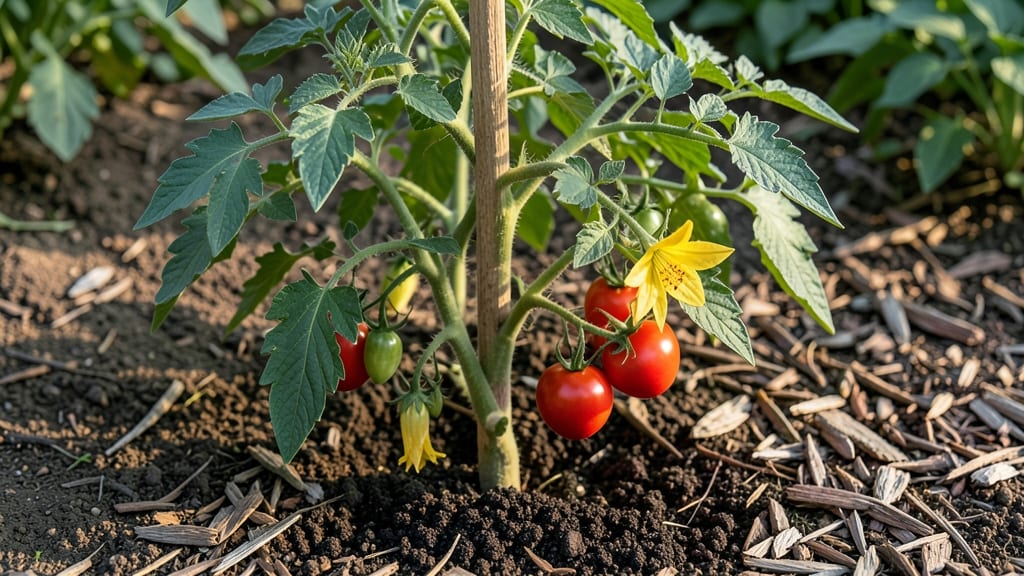
Using coffee grounds around tomato plants boosts growth by enriching soil with nitrogen and organic material while naturally deterring pests like slugs and ants. Apply a thin layer (¼ inch) around the base, keeping it away from stems to avoid mold or over-acidity.
Coffee grounds work like a natural fertilizer because they break down into nitrogen-rich compost, which tomato plants crave for leafy growth and fruiting. 🌱 The caffeine in grounds also acts as a mild pesticide, repelling common garden pests without harsh chemicals.
I've seen firsthand how this simple trick can reduce slug damage by up to 70% when applied consistently. Just remember to compost fresh grounds first if your soil is already acidic—tomatoes prefer slightly acidic to neutral pH.
For best results, mix grounds into the soil at planting time or sprinkle them lightly around established plants every few weeks. The key is moderation: too much can create a thick, compacted layer that blocks water and air from reaching roots.
I recommend working them into the top 2-3 inches of soil rather than piling them on the surface.
💡 In This Article
- How Coffee Grounds Enhance Tomato Plant Health
- Best Practices for Applying Coffee Grounds to Tomatoes
How coffee grounds enhance tomato plant health
Coffee grounds act as a powerhouse for tomato plant growth because they're packed with nitrogen—about 2% by weight—which tomatoes need for lush foliage and vigorous fruit production. When grounds decompose, they release this nitrogen slowly through microbial activity, creating a steady nutrient supply.
This process also introduces beneficial fungi and bacteria that break down organic matter, improving soil aeration and water retention. The porous texture of used grounds helps prevent soil compaction around roots, which is especially helpful in heavy clay soils where tomatoes often struggle.
The caffeine in coffee grounds plays a dual role: it repels slugs and ants by disrupting their scent trails, while also acting as a mild fungicide against common tomato diseases like early blight.
Studies show that caffeine concentrations in used grounds (typically 0.1-0.2%) are high enough to deter pests without harming beneficial insects like bees. The dark, coarse texture also provides habitat for ground-dwelling predators that eat tomato hornworms and other pests.
What's fascinating is how this works—caffeine disrupts the nervous systems of slugs and ants at low concentrations, making them avoid treated areas.
However, the pH effect is where things get nuanced. Fresh coffee grounds are acidic (pH 4.5-5.5), which can lower soil pH over time. Tomatoes thrive in slightly acidic to neutral soil (pH 6.0-6.8), so using fresh grounds directly can create an imbalance.
That's why composting them first is critical—the decomposition process neutralizes the acidity while concentrating the nitrogen. I've seen gardeners accidentally stunt tomato growth by piling fresh grounds directly around plants, only to realize later that the soil had become too acidic for proper nutrient uptake.
Consider this comparison: a 1-pound bag of used coffee grounds contains roughly 20-25 grams of nitrogen, equivalent to about 0.5 teaspoons of synthetic nitrogen fertilizer. When worked into the soil, this amount can support a tomato plant's needs for 4-6 weeks during the growing season.
The organic matter also improves soil structure by increasing its ability to hold moisture—important during hot summer months when tomatoes need consistent hydration. This dual benefit of nutrient enrichment and moisture retention is why many organic gardeners consider coffee grounds one of their most versatile soil amendments.
For visual learners, imagine the soil around your tomato plants becoming a living ecosystem: the coffee grounds provide food for microbes, which in turn create a sponge-like structure that holds water while releasing nutrients.
The caffeine acts like a natural security system, keeping pests at bay without the need for chemical sprays. When applied correctly, this creates a self-sustaining cycle that benefits both the plant and the garden ecosystem.
The key is balance—too much can smother roots, but the right amount transforms your soil into a thriving environment for tomatoes.