
Tools
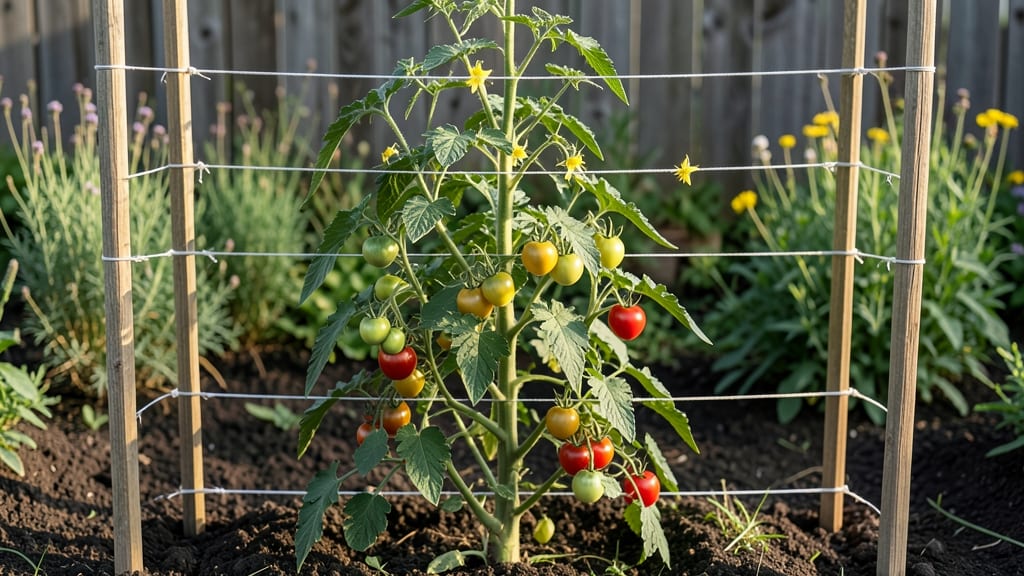
My tomato string trellis ideas now stretch skyward instead of sprawling across the garden, saving space and boosting yields. 🌱 A simple string trellis transforms floppy vines into structured, productive plants that ripen faster and resist disease better than their sprawling cousins. The best part?
You can make one in under an hour with materials you already have. Twine works best for most gardeners—it’s affordable, easy to adjust, and gentle on tender stems. For a sturdier look, bamboo stakes or wire mesh create a decorative backdrop that doubles as support.
I’ve seen trellises turned into vertical gardens with hanging baskets below, or even woven into rustic fences for a cottage-core aesthetic. The key is keeping strings taut but not tight, so vines can climb without snapping.
You’ll harvest tomatoes that stay cleaner and ripen more evenly, with less rot at the base. The plants look intentional, not wild, and you’ll reclaim valuable garden real estate for other crops. Plus, kids love reaching up to pick tomatoes instead of bending over—it’s a win for everyone.
Works for patio containers, raised beds, or full garden rows. Here’s how to set it up without overcomplicating things.
📚 In This Guide
- What you need
- Instructions
- Tips and common mistakes
- Wrapping up and next steps
What you need
- ● Trellis String: 100–200 ft of jute, hemp, or UV-resistant nylon string (¼"–½" thick). Opt for biodegradable options if you prefer an eco-friendly touch! 🌱
- ● Stakes or Posts: 4–6 wooden, metal, or PVC stakes (4–6 ft tall, 1–2" diameter). Space them 3–4 ft apart for stability.
- ● Ties or Clips: Soft plant ties (10–15) or velcro garden clips to secure vines without damaging stems.
- ● Measuring Tape: 1 for precise spacing (trust us, it’s a game-changer!).
- ● Hammer or Mallet: For driving stakes into the ground.
- ● Scissors or Utility Knife: To trim string to length.
- ○ Staple Gun (Optional): If attaching string to stakes or fences.
- ● Gloves: Protect your hands from splinters or rough string.
- ● Decorative Elements: Painted stakes, twine in fun colors, or hanging solar lights for a chic garden vibe.
- ● Pruning Shears: For trimming excess growth and encouraging upward vines.
- ● Mulch: Spread around the base to retain moisture and suppress weeds.
Step-by-step guide to building tomato string trellises
Here’s how I transform small spaces into productive tomato gardens using simple string supports.
🪴 Step 1: Choose Your Trellis Structure
Start with a sturdy frame made from 4-foot wooden stakes or metal T-posts spaced 3-4 feet apart. For a single row, use two stakes at each end and one in the middle for stability. If you’re working with a larger bed, add stakes every 6 feet to prevent sagging. I like to sink stakes 6 inches deep for maximum support—tap them firmly into the ground or use a mallet.
For a freestanding trellis, tie a 2x4 board horizontally between stakes at 3 feet high to create a crossbar. This gives you a place to anchor your string without digging posts into the ground. If you’re working with a fence or wall, skip the crossbar and attach string directly to hooks or nails driven into the structure.
🧵 Step 2: Install the String Support System
Use 1/4-inch diameter nylon or polyester twine—it’s strong, durable, and won’t snap when tomatoes get heavy. Stretch the string between stakes or your crossbar at 3 feet high, then add additional strings at 12-inch intervals down to the ground. This creates a ladder-like structure that guides vines upward naturally. I like to use a zip tie or heavy-duty staple to secure the string at each stake or crossbar point.
For indeterminate tomatoes (the ones that keep growing all season), add a second set of strings at 6 feet high once vines reach the first layer. You’ll know it’s time when the main stem is thick as your thumb and shows new leaves at the top. This extra height prevents vines from flopping over as fruit develops.
☀️ Step 3: Train Tomato Vines to Climb
When seedlings are 6-8 inches tall and have 4-5 true leaves, gently tie the main stem to the lowest string with a soft plant tie or strip of old T-shirt. Avoid wire or anything that can cut into the stem—it’ll strangle the vine as it grows. I like to loop the tie around the stem and string in a figure-eight pattern to keep it secure without squeezing.
As the vine grows, guide it upward to the next string, tying it loosely every 12 inches. Don’t pull the vine tight—just let it drape over the string naturally. This prevents breakage when fruit gets heavy. Watch for suckers (those little side shoots in the leaf axils)—pinch them off to encourage the plant to focus energy on upward growth rather than bushy side branches.
✂️ Step 4: Maintain and Adjust as Needed
Check your trellis weekly for loose strings or ties. If a vine slips, retie it immediately before the stem bends permanently. I also like to weave the main stem back and forth between strings as it grows—this creates a stronger anchor and prevents the vine from snapping in wind or rain. For large fruit varieties, add a soft sling made from old fabric under heavy clusters to support the weight.
By mid-season, prune any side shoots that form below the first flower cluster. This keeps air circulating and reduces disease risk. If your trellis starts to sag under the weight of tomatoes, add a third string at 4 feet high to distribute the load. The goal is to keep the plant growing vertically while keeping fruit accessible for easy picking.
Tips & tricks for perfect tomato string trellis setups
Building a sturdy trellis makes all the difference for healthy, productive tomato plants. Here's what I've learned after years of testing different setups in my own garden.
Stability is Everything: When sinking your 4-foot wooden stakes 6 inches deep, use a mallet to tap them firmly into the ground. I've seen stakes pop out after heavy rain when they weren't secured properly. For windy areas, add a third stake in the middle of your row to create a triangle shape—this prevents the trellis from leaning or collapsing. The key is making sure your stakes are perpendicular to the ground, not tilted.
String Selection Matters: The 1/4-inch diameter nylon or polyester twine specified in the instructions is perfect, but I've found that adding a second layer of string at the base creates a stronger foundation. Use a heavier-duty twine (like 3/16-inch) for the bottom strings where most of the weight will be. This prevents the strings from stretching and breaking under the weight of heavy tomato clusters.
Tying Technique for Healthy Vines: When training your tomato vines, I've discovered that using strips of old T-shirts works better than commercial plant ties. The fabric is softer and less likely to cut into the stem as it grows. For extra security, I make a figure-eight loop around both the vine and string—this keeps the vine from slipping while allowing room for growth. Remember to tie loosely every 12 inches, never pulling the vine tight.
Mid-Season Adjustments: By mid-season, you might need that third string at 4 feet high to support the weight of your tomatoes. I've seen trellises sag dramatically when this step is skipped. Add the extra string before you notice sagging—once the vines are fully committed to their growth pattern, adding new support becomes much more difficult. This extra height also makes harvesting easier and reduces disease risk by keeping foliage off the ground.
Pro Tips for Tomato String Trellis Ideas
- Building a sturdy trellis makes all the difference for healthy, productive tomato plants.
- Stability is Everything: When sinking your 4-foot wooden stakes 6 inches deep, use a mallet to tap them firmly into the ground.
- String Selection Matters: The 1/4-inch diameter nylon or polyester twine specified in the instructions is perfect, but I've found that adding a second layer of string at the base creates a stronger foundation.
Frequently asked questions
Got questions about tomato string trellises? You’re not alone! Here are some of the most common concerns—and their easy solutions—to help you grow like a pro.
What’s the best material for a DIY tomato string trellis?
A sturdy trellis needs materials that balance affordability and durability. PVC pipes, wooden stakes, or metal cages work well for vertical support, while twine, jute twine, or even old pantyhose (yes, really!) can serve as the string. For a quick fix, repurpose old ladders or garden trellis netting—just ensure it can hold 5–10 lbs per plant as tomatoes grow!
When should I install a trellis for tomatoes?
Timing is key! Install your trellis when tomatoes are 6–12 inches tall (about 3–4 weeks after transplanting). This gives plants enough support as they climb but avoids smothering young stems. For indeterminate varieties (like cherry tomatoes), add strings every 12–18 inches as vines grow—think of it like a vertical ladder for your plants!
Can I reuse a tomato trellis for next year?
With a little TLC, your trellis can be a multi-year workhorse. Clean it thoroughly with a 10% bleach solution (1 part bleach to 9 parts water) to kill pests and diseases. Store strings in a dry place and check for splinters or rust on wooden/metal parts. Pro tip: Rotate trellis locations yearly to prevent soil-borne issues!
Why are my tomato vines falling off the trellis?
Wobbly vines usually mean one of three things: insufficient support, overloaded branches, or poor string placement. Double-check that strings are taut but not cutting into stems, and prune suckers (side shoots) to reduce weight. For heavy varieties, add extra strings or a second trellis—think of it like a safety net for your tomatoes!
Are there alternatives to string trellises for small spaces?
If strings aren’t your style, no worries! Try these space-saving hacks:
- Cage systems: Metal or plastic cages (like AeroGarden tomato towers) are foolproof for determinate varieties.
- Vertical pallets: Stack wooden pallets and secure netting for a rustic, high-yield setup.
- Hanging baskets: Perfect for cherry tomatoes—just ensure they’re 10+ inches deep and hang near a fence for support.
- Wall-mounted trellises: Use hook-and-eye systems or suction cups for balcony gardens.
Wrapping up and next steps
Transforming your garden into a vertical tomato haven with a string trellis isn’t just practical—it’s rewarding! 🌱 From saving space to boosting yields, these simple yet effective designs turn even the smallest patch into a thriving tomato paradise.
Whether you’re a seasoned gardener or a curious beginner, the right trellis can make all the difference in your harvest’s success.
Ready to grow upward? Start by picking a design that fits your space and tomatoes’ needs, then gather your materials and get building. Before you know it, you’ll be enjoying sun-ripened, vine-free tomatoes—and bragging rights too! 🍅✨