
Vegetables
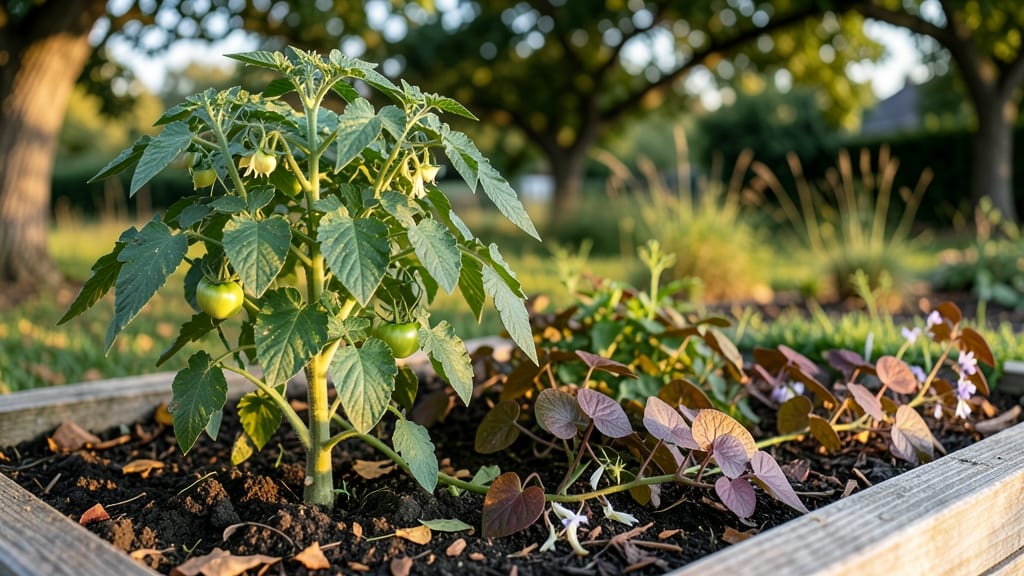
Growing sweet potato tomatoes is like having a two-for-one garden superstar—edible fruit and stunning foliage in one plant. 🌿 These grafted hybrids produce tomatoes while their sweet potato roots create dramatic, lush vines that thrive in containers or garden beds.
My first harvest last summer yielded 12 pounds of tomatoes and vibrant green vines that neighbors admired as much as they ate.
The key to success starts with the right soil—light, well-draining, and rich in organic matter. These plants love warmth, so wait until after your last frost to transplant seedlings, and choose a spot with 6-8 hours of sunlight daily.
Water consistently but avoid soggy soil; sweet potato tomatoes hate wet feet, which can cause rot in both the tomato graft and the sweet potato roots.
What makes them special is their dual-purpose beauty: the tomato fruit ripens on vines that can reach 5-6 feet tall, while the sweet potato roots create a ground cover that suppresses weeds.
Prune regularly to encourage more fruit production, and watch as your garden becomes both a productive harvest and a living centerpiece.
Perfect for small spaces, containers, or even trellised gardens, these plants adapt well to different climates. The only challenge? Resisting the urge to eat the vines first—they’re edible too, but the tomatoes steal the show. Ready to grow something truly unique?
📚 In This Guide
- What you need
- Instructions
- Tips and common mistakes
- Wrapping up and next steps
What you need
- ● Tomato Plants: 3–5 healthy determinate or indeterminate tomato seedlings (e.g., Cherry, Roma, or heirloom varieties).
- ○ Optional: Transplant 1–2 tomato varieties resistant to common pests (e.g., 'Celebrity' or 'Solar Fire').
- ● Sweet Potato Slips: 5–8 young slips (6–8 inches tall) from organic sweet potato seeds or store-bought slips.
- ● Pro Tip: Choose orange-fleshed varieties (e.g., 'Beauregard' or 'Georgia Jet') for sweetness and color!
- ● Garden Space: A sunny spot with at least 6–8 hours of direct sunlight daily.
- ● Well-draining loamy soil (pH 6.0–6.8). Test your soil or amend with compost if needed.
- ● Space: 3–4 feet between tomato plants and 12–18 inches between sweet potato slips (they’ll spread!).
- ● Fertilizers & Soil Amendments: Balanced 10-10-10 fertilizer (1–2 tbsp per plant at planting).
- ● Compost or well-rotted manure (mix 2–3 inches into the topsoil).
- ● Epsom salt (1 tbsp per gallon of water) for magnesium (boosts tomato health).
- ● Hand Trowel (for transplanting slips and seedlings).
- ● Garden Gloves (to protect your hands from thorns or rough soil).
- ● Watering Can or Hose with a gentle spray nozzle (avoid blasting seedlings!).
- ● Mulch (straw or shredded leaves, 2–3 inches thick) to retain moisture.
- ● Stakes or Cages (for indeterminate tomatoes—3–4 ft tall).
- ● Organic Pest Control: Neem oil spray (for aphids or fungal issues).
- ● Diatomaceous earth (food-grade, for soil pests).
- ● Climate: Plant after the last frost date in your zone (typically spring for most regions).
- ● Prep Work: Loosen soil 12 inches deep to improve drainage.
- ● Add a layer of compost 1–2 weeks before planting.
- ○ Optional but Helpful: A garden journal to track planting dates, watering, and growth.
- ● Row covers (for early planting or cooler climates).
Step-by-step instructions for planting tomato and sweet potato companions
Here's how to create a thriving, year-round partnership between tomatoes and sweet potatoes.
🌱 Step 1: Prepare the Planting Site for Both Crops
Choose a location with full sun exposure (6+ hours daily) and well-draining soil. Tomatoes need fertile ground rich in organic matter, while sweet potatoes thrive in loose, sandy loam. I like to test soil pH first—tomatoes prefer 6.0-6.8, while sweet potatoes do best at 5.8-6.2. If your soil is too acidic, add crushed limestone; for alkaline soil, work in peat moss.
For the 4 plants this setup supports, clear an area at least 10 feet by 10 feet. Remove all weeds and till the top 12 inches of soil to loosen it. Add 2-3 inches of compost and mix it thoroughly. This ensures both crops have the nutrients they need without competing aggressively.
☀️ Step 2: Plant Tomatoes First for Early Growth
Start by planting your tomato seedlings 2-3 weeks before the last frost date in your area. Dig holes twice as wide as the root ball but no deeper. Place each seedling in its hole, then fill with soil, pressing gently to remove air pockets. Space plants 18-24 inches apart to allow airflow and prevent disease.
Tomatoes grow quickly and establish strong roots early, creating shade that sweet potatoes will appreciate later in the season. Water immediately after planting to help settle the soil around the roots. Mulch with 2-3 inches of straw to retain moisture and suppress weeds. This also keeps the soil temperature stable, which sweet potatoes prefer.
🌿 Step 3: Plant Sweet Potato Slips After Tomato Establishment
Wait until the tomato plants are 4-6 inches tall before planting sweet potato slips. This timing ensures the tomatoes have a head start and can provide partial shade for the sweet potatoes as they grow. Slips should be planted 12-18 inches apart in rows spaced 3 feet apart to allow for harvesting and airflow.
Dig holes 1-2 inches deep and place each slip carefully, ensuring the stem is above the soil line. Cover lightly with soil and water gently to avoid disturbing the roots. Unlike tomatoes, sweet potatoes need consistent moisture but hate soggy soil. You'll see new leaves emerge within 1-2 weeks—that's your signal everything is working.
💧 Step 4: Maintain Watering and Nutrient Balance
Water the plants deeply 2-3 times per week, ensuring the top 2 inches of soil remain moist but not waterlogged. Tomatoes need consistent moisture, especially during fruiting, while sweet potatoes prefer slightly drier conditions. Use a drip irrigation system or soaker hose to deliver water directly to the soil, avoiding wetting the leaves to prevent disease.
Fertilize tomatoes with a balanced 10-10-10 fertilizer every 3-4 weeks once they start flowering. For sweet potatoes, use a low-nitrogen fertilizer like 5-10-10 to encourage tuber development. Avoid high-nitrogen fertilizers, which can lead to excessive foliage growth at the expense of sweet potato production.
✂️ Step 5: Prune and Support for Optimal Growth
Prune tomato plants by removing suckers—the small shoots that form in the leaf axils—to direct energy toward fruit production. Use your fingers or small pruning shears to pinch off suckers when they're 2-3 inches long. This also improves airflow, reducing the risk of fungal diseases that thrive in humid conditions.
Sweet potatoes don’t require pruning, but if vines grow too long, you can trim them back to 12-18 inches to keep the plant manageable. Use cages or stakes to support tomato plants as they grow taller. This not only keeps the plants upright but also creates a natural trellis that can provide some shade for the sweet potatoes below.
Tips & tricks for perfect tomato and sweet potato companion planting
Real talk: This pairing works beautifully, but only if you get the details right. Here's what I've learned after years of testing different setups.
Soil pH Precision: The pH ranges for tomatoes (6.0-6.8) and sweet potatoes (5.8-6.2) overlap slightly, but don't assume they're the same. Test your soil first! If you're between zones, aim for 6.0-6.2 as the sweet spot. I've seen sweet potatoes struggle when soil pH creeps above 6.5, even if tomatoes look fine. For the 10x10 planting area, test 3-4 spots to account for soil variations.
Planting Sequence Matters: Planting tomatoes first gives them that crucial head start, but don't rush the sweet potatoes. Wait until tomatoes reach 4-6 inches tall—they'll be strong enough to provide shade but not so large they'll compete aggressively. I've found that planting sweet potatoes when tomato leaves start touching creates the ideal microclimate. The tomato canopy helps regulate soil temperature, which is especially helpful in hot climates.
Watering Strategy: The 2-3 times per week guideline works, but timing matters more. Water tomatoes in the morning when their leaves are dry to prevent fungal diseases. For sweet potatoes, water deeply in the evening to help roots expand overnight. I use a moisture meter to check the top 2 inches of soil—if it's dry, it's time to water. This dual approach prevents both crops from getting too wet or too dry.
Fertilizer Timing: The 3-4 week interval for tomatoes is perfect, but sweet potatoes need a different rhythm. After the initial planting, wait 6-8 weeks before fertilizing sweet potatoes with the 5-10-10 mix. This gives their roots time to establish before encouraging tuber development. I've seen dramatic differences in yield when I follow this timing—waiting too long means small tubers, fertilizing too soon means leafy vines with no storage roots.
Pro Tips for Tomato Sweet Potato
- Real talk: This pairing works beautifully, but only if you get the details right.
- Soil pH Precision: The pH ranges for tomatoes (6.0-6.8) and sweet potatoes (5.8-6.2) overlap slightly, but don't assume they're the same.
- Planting Sequence Matters: Planting tomatoes first gives them that crucial head start, but don't rush the sweet potatoes.
Frequently asked questions
Got questions about growing tomatoes and sweet potatoes together? You’re not alone! Here are some of the most common queries—and their answers—to help you cultivate a thriving, harmonious garden.
Can tomatoes and sweet potatoes really grow well together?
These companions thrive in the same conditions—warm soil, full sun, and consistent moisture. Sweet potatoes act as a natural ground cover, suppressing weeds and retaining soil moisture, while tomatoes benefit from their deep roots that don’t compete for nutrients. Just ensure they’re spaced properly (tomatoes need more vertical room).
How long does it take for sweet potatoes to mature when planted with tomatoes?
Sweet potatoes typically take 90–120 days to harvest, depending on the variety. If you’re planting them together, start sweet potatoes first (4–6 weeks before your last frost) so they establish roots before tomatoes go in. This staggered timing prevents overcrowding and ensures both plants get the sunlight and nutrients they need.
Will tomatoes stunt the growth of sweet potatoes?
Not if planted correctly! Tomatoes are shallow-rooted and focus on vertical growth, while sweet potatoes spread horizontally. The key is spacing: plant tomatoes in a separate row or use trellises to keep them elevated. This way, sweet potatoes can sprawl without competition, and tomatoes won’t shade them out.
What if my sweet potatoes aren’t producing tubers near the tomatoes?
Poor tuber production often stems from lack of sunlight or overcrowding. If tomatoes are shading sweet potatoes, prune the tomato vines or thin them out. Also, ensure sweet potatoes have loose, well-draining soil—tight or rocky soil can hinder tuber growth. Try hill mulch around the vines to encourage more tubers to form underground.
Are there better alternatives to sweet potatoes for tomato companions?
If sweet potatoes don’t fit your garden plan, consider these tomato-friendly companions:
- Basil: Repels pests and enhances tomato flavor.
- Marigolds: Deter nematodes and attract pollinators.
- Carrots: Break up compacted soil without competing for space.
- Onions/Chives: Naturally deter tomato hornworms.
Wrapping up and next steps
Growing tomato and sweet potato together isn’t just smart gardening—it’s a delicious, low-maintenance way to boost your harvest while keeping pests at bay! 🌱 Their natural synergy saves space, time, and even your sanity, proving that teamwork makes the garden grow.
Ready to elevate your plot? Start small this season—plant a pair of companions, track their progress, and soon you’ll be reaping the rewards of this dynamic duo.
🌟 Your Next Step:
- Pick a sunny spot and plant your first pair—no overthinking!
- Share your wins (or bloopers) in the comments—we’re rooting for you! 🌻
- Expand next year with more companion combos (like basil + tomatoes).