
Companion Plants
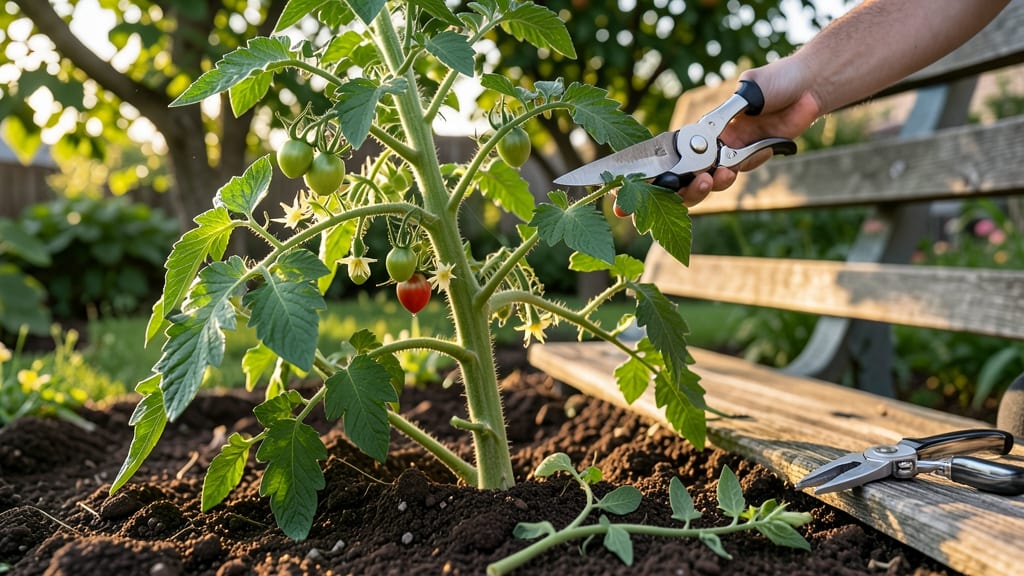
When your tomato vines hit the ceiling, it's time to top them off—this simple pruning trick keeps plants healthy and productive without cages. 🌱 I learned the hard way that letting vines sprawl unchecked leads to weak stems, fewer fruits, and a tangled mess by August.
The right timing and technique make all the difference between a manageable plant and a jungle. You'll need just two tools: sharp pruners and a pair of gloves.
The goal is to remove the top 2-3 inches of the main stem when vines reach your desired height—usually 5-6 feet for indeterminate varieties. This redirects energy to lower branches where fruit sets, not upward growth. The best part?
You'll see new side shoots forming within days, each with the potential for more tomatoes. After topping, expect a burst of new growth and a heavier fruit load on existing stems. The plants stay compact enough to support themselves, even in windy conditions.
I've gone from struggling with floppy vines to harvesting bushels of ripe tomatoes that stay off the ground—no cages required. This method works for both indeterminate and determinate varieties, though determinates rarely need topping.
The key is consistency: check plants weekly after the initial prune, and remove any suckers that form below the fruit clusters. Your tomatoes will thank you with bigger yields and easier maintenance.
📚 In This Guide
- What you need
- Instructions
- Tips and common mistakes
- Wrapping up and next steps
What you need
- ● Pruning shears or sharp bypass pruners – Clean, sterilized, and sharp (avoid dull tools that crush stems).
- ● Gloves – Garden or work gloves to protect your hands from thorns and sap.
- ○ Support structure (optional but recommended) – Sturdy stakes (5–6 ft tall), twine, or a DIY trellis (if you’re not using a cage).
- ● Disinfectant (e.g., rubbing alcohol or bleach solution) – 1 part bleach to 9 parts water for sterilizing tools.
- ● Healthy, indeterminate tomato plants (determinate varieties don’t need topping).
- ● Mature vines with at least 3–4 main stems (if pruning early) or fully grown plants.
- ● Clear, dry weather (avoid topping in wet conditions to prevent disease).
- ● Patience – Topping encourages bushier growth, so monitor progress over 2–3 weeks.
- ○ Plant growth regulator (e.g., Apogee) – Optional for slower, stronger regrowth.
- ● Compost or balanced fertilizer – 10-10-10 or organic options to nourish new growth.
- ● Spray bottle with water – Keeps cuts moist for faster healing.
- ● Notebook & pen – Track growth stages and pruning dates!
Step-by-step guide to topping off tomato plants without cages
Here's how to train your tomatoes to grow strong and tall without relying on cages.
🌱 Step 1: Identify the Right Time to Top
Wait until your tomato plant has reached about 4-5 feet tall and has a sturdy main stem. The best time to top is when the plant has 5-7 main stems or suckers growing from the base or lower branches. This ensures the plant has enough energy stored to support new growth after topping.
Look for a cluster of leaves at the very top of the plant—this is your signal. The plant should also have a few flower clusters forming but not yet producing fruit. If your plant is flowering heavily, wait until the flowers drop before topping to avoid stressing the plant.
🌿 Step 2: Choose the Right Spot to Cut
Find the topmost set of leaves where there are 3-4 leaves between flower clusters. This is typically about 12-18 inches below the very top of the plant. Use clean, sharp pruning shears to make your cut—never tear the stem with your hands, as this can damage the plant and invite disease.
Make your cut just above a leaf node or a small sucker. This ensures the plant can redirect its energy to new growth from that point. If you cut too close to a leaf, the wound may take longer to heal, and the plant could be more susceptible to rot or pests.
✂️ Step 3: Prune and Support the Plant
Remove any remaining leaves on the top 6-8 inches of the stem. This prevents disease and pests from taking hold in the upper part of the plant. You’ll also want to trim any suckers larger than a pencil’s width growing between the main stem and branches to focus the plant’s energy on the existing structure.
After pruning, gently tie the main stem to a sturdy stake or trellis using soft plant ties. This provides immediate support and prevents the plant from toppling over as it redirects its energy. Make sure the ties aren’t too tight—they should hold the plant securely but allow for some growth.
☀️ Step 4: Monitor and Encourage New Growth
Watch for new shoots to emerge from the leaf nodes just below where you made your cut. These will become your new top growth. Keep the soil consistently moist but not soggy—water deeply 1-2 times per week, depending on your climate, until you see new leaves forming. You’ll notice the plant may look a bit stressed at first, but this is normal.
Fertilize lightly with a balanced, water-soluble fertilizer after topping to give the plant a boost. Avoid heavy feeding immediately after pruning, as this can stress the plant further. Instead, focus on keeping the soil rich in organic matter to support root growth and recovery.
⏰ Step 5: Maintain and Repeat as Needed
Continue to monitor your plant for new suckers and prune them regularly to maintain an open, airy structure. This allows sunlight and air to reach the lower leaves and fruit, reducing the risk of disease. Repeat the topping process every 4-6 weeks or when the plant reaches 6-8 feet tall, depending on your variety.
As the plant grows taller, adjust the ties to keep the stem supported without restricting growth. If you notice any signs of stress—such as yellowing leaves or stunted growth—reduce watering slightly and provide extra shade for a few days to help the plant recover.
Tips & tricks for topping off tomato plants
Here’s what nobody tells you about keeping your tomato plants healthy and productive after topping.
Timing is Everything: The 4-5 foot height and 5-7 main stems are your golden markers—don’t rush this step! I learned the hard way that topping too early (when plants are still small) stresses them and reduces fruit production. Wait until you see those flower clusters forming but not yet blooming—that’s your perfect window.
Precision Cutting Technique: That 12-18 inch mark from the top isn’t random—it’s where the plant naturally redirects growth. Use clean pruning shears (not scissors!) and cut just above a leaf node. I always dip the shears in rubbing alcohol between cuts to prevent disease spread, which saves my plants from fungal issues later.
Post-Topping Care: After trimming, remove those top 6-8 inches of leaves immediately—they’re prime spots for pests and diseases. I’ve seen plants recover beautifully when I follow this, but I’ve also seen them struggle when I skipped this step. The key is to keep the plant’s energy focused downward where the fruit forms.
Support System: Those soft plant ties are non-negotiable! I’ve seen tomato plants snap in half during storms because they weren’t properly staked. Use ties that you can loosen as the plant grows—too tight and you’ll restrict growth, too loose and the plant won’t get support. Adjust every 2-3 weeks as the stem thickens.
Pro Tips for Topping Off Tomato Plants
- Here’s what nobody tells you about keeping your tomato plants healthy and productive after topping.
- Timing is Everything: The 4-5 foot height and 5-7 main stems are your golden markers—don’t rush this step!
- Precision Cutting Technique: That 12-18 inch mark from the top isn’t random—it’s where the plant naturally redirects growth.
Frequently asked questions
Got questions about topping off tomato plants? You’re not alone!
Here are some of the most common queries—plus clear, no-fuss answers to help you master the technique like a pro.
What’s the best time of day to top off tomato plants?
Top your plants in the morning on a cloudy day or after sunset. This gives the cut ends time to dry slightly before evening moisture sets in, reducing rot risk. Avoid midday heat—it stresses the plant and slows recovery.
How soon can I expect new growth after topping?
New shoots usually sprout within 3–7 days, depending on warmth and moisture. Prune any suckers (side shoots) that form below the pruning point to redirect energy to the main stem. Patience pays off—vigorous growth follows!
Can I top tomato plants too early in the season?
Yes, but timing matters! If you top before the plant is at least 3–4 feet tall, it may struggle to support its own weight or produce fruit. Wait until the plant has 5–7 main stems and is flowering before pruning.
What if my tomato plant doesn’t grow after topping?
Don’t panic! Check for:
- Underwatering: Keep soil moist but not soggy.
- Nutrient deficiency: Add a balanced fertilizer (like 10-10-10).
- Pests/disease: Inspect leaves for damage.
Are there alternatives to topping for tall tomato plants?
Try:
- Staking: Use bamboo stakes or spiral ties for support.
- Trellising: Train vines vertically with netting or wire.
- Cage-free pruning: Remove only suckers (not the main stem) to balance growth.
Wrapping up and next steps
Topping off your tomato plants isn’t just about controlling growth—it’s about harvesting healthier, more flavorful fruit while keeping your garden thriving. Whether you’re pruning for better airflow, managing height, or encouraging bushier growth, this technique is your secret weapon for a bountiful season. 🌱
Now that you’re armed with the know-how, grab those shears and get pruning! Monitor your plants weekly and adjust as they grow—your future tomatoes will thank you. Happy gardening!