
Companion Plants
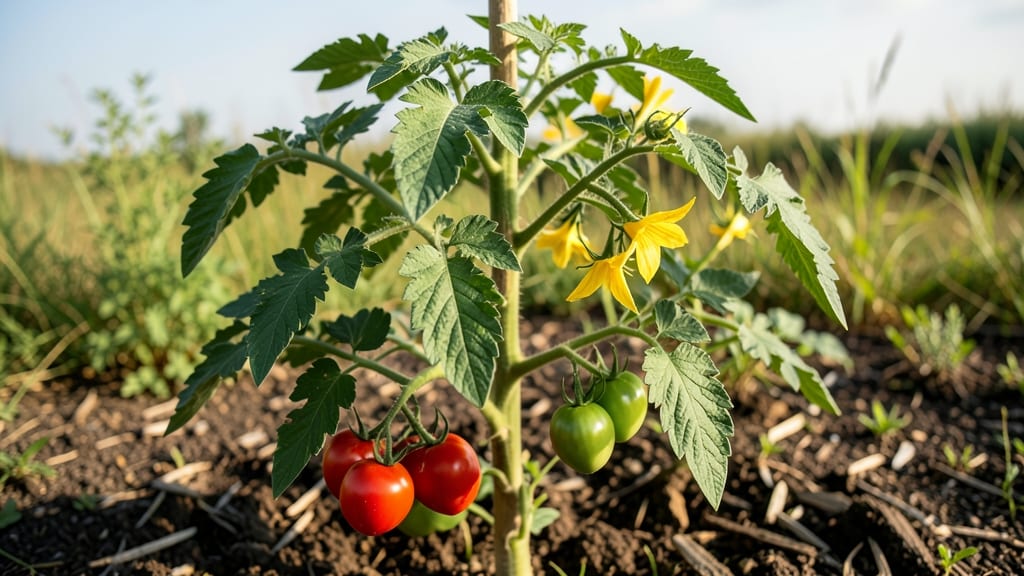
Understanding determinate vs indeterminate tomato plants changed how I plan my garden—it’s the difference between a single, massive harvest and a steady stream of fruit all season. 🌱 Determinate plants grow to a fixed height and produce fruit in one big flush, while indeterminate varieties keep growing and producing until frost.
This isn’t just about plant type; it’s about how you layout your garden, what varieties you choose, and when you’ll be eating tomatoes.
The biggest misconception? That indeterminate plants always outperform determinate ones. My 4-foot-tall determinate 'Roma' plants produce more sauce tomatoes in a single harvest than my sprawling indeterminate vines do in weeks.
But if you want fresh slicing tomatoes from June until October, indeterminate varieties like 'Sungold' or 'Better Boy' are your best bet. The key is matching the plant to your goals—sauces, slicing, or both—and giving them the right space to thrive.
Spacing and pruning make all the difference. Determinate plants need 2-3 feet apart in rows, while indeterminate vines demand 3-6 feet and sturdy cages or trellises to support their weight. Prune indeterminate plants regularly to focus energy on fruit production, but leave determinate plants alone—they’ll set fruit on their own.
Both types need consistent water and rich soil, but the real secret is knowing which one fits your garden’s layout and your appetite for fresh tomatoes.
Here’s the game-changer: mix both types in your garden. Use determinate plants for early season harvests and canning, then let indeterminate varieties keep producing until frost. Popular determinate picks include 'Celebrity' and 'Patio,' while 'Cherry' and 'Beefsteak' indeterminate varieties deliver steady yields.
The right combination means tomatoes on your table from July through October—no grocery store in sight.
The first product explained
Meet the SunGold Indeterminate Tomato Plant—your ticket to a vine-loaded, sun-kissed harvest that keeps giving all season! 🌞🍅 This powerhouse plant is a favorite among home gardeners and small-scale farmers for its unmatched productivity and adaptability. Whether you're a backyard enthusiast or a container gardener, this variety delivers hundreds of sweet, golden-orange cherry tomatoes from early summer until the first frost—if you let it!
📏 Key Specs & Features
| Type: | Indeterminate (vining, grows 6-10+ feet tall with proper support) |
| Fruit: | Cherry tomatoes (1-inch diameter), SunGold variety—sweet, tangy, and perfect for snacking or salads |
| Days to Maturity: | 60-70 days (but keeps producing until frost!) |
| Sunlight Needs: | Full sun (6-8+ hours daily) |
| Watering: | 1-2 inches per week (drip irrigation recommended) |
| Soil: | Well-draining, rich in organic matter (pH 6.0-6.8) |
| Support: | Trellis, cage, or sturdy stakes (essential for vining growth!) |
| Disease Resistance: | Moderate resistance to Verticillium and Fusarium wilt |
🎯 Who’s It For?
This plant is a versatile star for:
- Beginners: Easy to grow with minimal fuss (just give it sun, water, and support!).
- Small-Space Gardeners: Thrives in containers (choose a 5-gallon pot or larger) or vertical gardens.
- Companion Planting Enthusiasts: Pairs beautifully with basil, marigolds, and onions to boost flavor and deter pests.
- Harvest Lovers: Ideal for those who want continuous yields without replanting.
- Market or CSA Gardeners: High-value, eye-catching fruit sells well at farmers' markets.
💰 Price Point & Value
Priced at $3.99 per plant (or $19.99 for a pack of 5), the SunGold Indeterminate offers exceptional value for its:
- Long-lasting harvest (weeks of fresh tomatoes!).
- Low-maintenance care (once established).
- Disease resistance (saves time and money on treatments).
- Versatility (grows in gardens, containers, or greenhouses).
Pro Tip: 💡 Buy in bulk and save! Planting multiple vines ensures a steady supply of tomatoes for sauces, salads, or sharing with neighbors.
The second product explained
If you're looking for a high-yielding, space-efficient tomato plant that thrives in containers or small gardens, Product B: 'Tiny Tim' Determinate Tomato is your go-to choice! 🌱🍅 This compact, bushy variety is perfect for urban gardeners, balconies, or anyone short on space but craving a bountiful harvest.
📏 Specs & Features
Here’s what makes Tiny Tim a standout:
- Plant Type: Determinate – Compact, bushy growth (3–4 feet tall, 2–3 feet wide).
- Fruit Size: Small, sweet cherry tomatoes (1–1.5 inches in diameter).
- Days to Maturity: 55–65 days from transplant.
- Yield: Prolific producer with clusters of 20–30 tomatoes per truss!
- Growth Habit: No pruning needed—ideal for containers, hanging baskets, or small garden plots.
- Disease Resistance: Tolerates early blight, fusarium wilt, and verticillium wilt.
🎯 Target Users
Tiny Tim is a dream for:
- 🏙️ Urban gardeners with limited space (patio, balcony, or rooftop).
- 👩🌾 Beginner growers who want low-maintenance, high-reward plants.
- 🍽️ Salad lovers who adore sweet, bite-sized cherry tomatoes.
- 🌍 Sustainable foodies looking to grow their own organic produce.
💰 Price Point & Value
Priced at $3.99 per seed packet (or $12.99 for a 5-packet bundle), Tiny Tim offers exceptional value for its:
- 🌿 Space-saving design—no need for a large garden!
- 🍅 Fast maturity—harvests in under 2 months.
- 💎 Disease-resistant genes—fewer chemicals, more flavor.
- 🌱 Versatility—grows in pots, bags, or ground beds.
With heirloom-quality taste and minimal upkeep, this determinate gem is a must-have for small-space gardeners who refuse to compromise on yield or flavor!
Head-to-head comparison
🌱 Performance: Productivity & Growth Habits
When it comes to performance, determinate and indeterminate tomato plants take wildly different approaches—like comparing a marathon runner to a sprinter! Here’s how they stack up:
| Factor | Determinate Tomato Plants | Indeterminate Tomato Plants |
|---|---|---|
| Growth Pattern | Bushy, compact growth (3–5 ft tall). Stops growing at a set height. | Vining, sprawling growth (6–12+ ft tall). Keeps growing until frost. |
| Fruiting Cycle | All fruit sets at once ("one-and-done" harvest). Great for canning! | Continuous fruiting over weeks/months. Ideal for fresh eating. |
| Yield Volume | Moderate yield per plant (but high density = more total fruit). | Higher yield per plant if properly supported (but needs space). |
| Harvest Window | 2–3 weeks of peak harvest (then tapers off). | Extended harvest (until frost kills the plant). |
| Disease Risk | Lower risk (compact growth = better airflow). | Higher risk (vines touch soil, spreading pests/diseases). |
💡 Pro Tip: Determinate plants are your best bet for early-season gardens or small spaces, while indeterminate varieties excel in long-season climates with sturdy trellises!
🌿 Features: Space, Support & Care
Your garden layout will hinge on whether you’re working with a neat little bush or a rambling vine. Here’s what to expect:
- Space Requirements:
- Determinate: 18–24 inches apart in rows. Perfect for intensive planting (e.g., square-foot gardening).
- Indeterminate: 24–36 inches apart (or more if vining wildly). Needs vertical space—think trellises, cages, or stakes!
- Support Needs:
- Determinate: Minimal support (small cages or stakes may help with fruit weight).
- Indeterminate: Mandatory support! Use strong trellises, floral wire, or tomato towers to prevent breakage.
- Pruning:
- Determinate: Rarely pruned (focus on airflow around the bush).
- Indeterminate: Prune regularly! Remove suckers (side shoots) to direct energy to fruit and improve airflow.
- Staking:
- Determinate: Optional (unless fruit is heavy).
- Indeterminate: Essential—vines can weigh 20+ pounds when laden with tomatoes!
🔥 Hot Tip: If you’re short on space, try dwarf indeterminate varieties (like ‘Tiny Tim’ or ‘Micro Tom’)—they’re vining but stay compact!
💰 Price & Accessibility
Budget-friendly doesn’t always mean low-quality, and here’s how these two types compare at the seed packet or nursery:
| Factor | Determinate | Indeterminate |
|---|---|---|
| Seed Cost | $1–$3 per packet (common varieties like ‘Roma’ or ‘Celebrity’). | $1–$4 per packet (heirlooms like ‘Brandywine’ can cost more). |
| Startup Costs | Low (minimal stakes/cages). | Moderate-high (trellises, cages, or stakes add up). |
| Long-Term Savings | Great for bulk canning (cheaper per tomato if you process many at once). | Better for fresh eating (fewer plants needed for a steady supply). |
| Organic Options | Many heirloom determinate varieties available (e.g., ‘San Marzano’). | More heirloom indeterminate choices (e.g., ‘Cherokee Purple’). |
💡 Pro Tip: Buy seeds in bulk if you’re committed to one type—determinate for canners, indeterminate for fresh-eaters!
🌡️ Durability & Climate Suitability
Not all tomato types thrive in every climate. Here’s where determinate and indeterminate plants excel (or struggle):
- Cold Climates:
- Determinate: Better! Shorter season = faster maturity (e.g., ‘Stupice’ matures in 50 days).
- Indeterminate: Risky unless you have a long growing season (or a greenhouse).
- Hot Climates:
- Determinate: Can bolt (flower too early) in extreme heat.
- Indeterminate: Thrives! Continuous growth = more time to produce in warm weather.
- Humid Climates:
- Determinate: Lower disease risk (compact = better airflow).
- Indeterminate: Higher risk (vines touch soil, spreading blight). Solution: Use drip irrigation and mulch!
- Drought Tolerance:
- Determinate: More drought-resistant (shallow roots).
- Indeterminate: Needs consistent watering (deep roots = thirstier!).
✨ Bonus Tip: For short seasons, try semi-determinate varieties—they’re a hybrid with some indeterminate traits but shorter vines!
Which one should you choose?
So, which tomato type is right for you? The answer depends on your goals, space, and gardening style. Let’s break it down to help you decide with confidence!
🌱 Pick Determinate Tomatoes If...
- You want a tidy, low-maintenance garden. Determinate plants stay compact, making them perfect for small spaces, containers, or raised beds.
- You crave a quick, concentrated harvest. These plants produce fruit all at once (usually in 60-75 days), ideal for canning, sauces, or fresh eating in bulk.
- You’re new to gardening. Their predictable growth and self-supporting habits mean less staking and pruning.
- You love heirloom or paste varieties. Many determinate tomatoes (like Roma or Celebrity) are bred for sauces, salsas, or sun-dried tomatoes.
🌿 Go Indeterminate If...
- You have vertical space to spare. These vining giants thrive on trellises, cages, or stakes—great for small yards or urban gardens!
- You want a never-ending harvest. Indeterminate plants produce fruit continuously all season (until frost), perfect for salads or snacking.
- You love slicing tomatoes. Varieties like Beefsteak or Brandywine yield massive, flavorful fruits—ideal for sandwiches or burgers.
- You’re up for a little extra care. They need regular pruning and support but reward you with months of productivity.
💡 Pro Tip for Mixed Gardens:
Why choose? Plant both! Use determinate tomatoes near the edges of your garden for easy access and indeterminate varieties in the center with trellises. This gives you early bulk harvests (determinate) and season-long snacks (indeterminate).
Plus, the vertical growth of indeterminate plants can provide shade for determinate ones on hot days!
📝 Quick Decision Guide:
| Factor | Determinate | Indeterminate |
|---|---|---|
| Space | Small, contained | Vertical, sprawling |
| Harvest Style | All at once (great for preserving) | Continuous (great for fresh eating) |
| Maintenance | Low (self-supporting) | Moderate (needs pruning/support) |
| Best For | Canning, sauces, small gardens | Salads, slicing, long seasons |
Still unsure? Try a hybrid approach—start with a few of each and see what fits your lifestyle! 🍅✨