
Planting
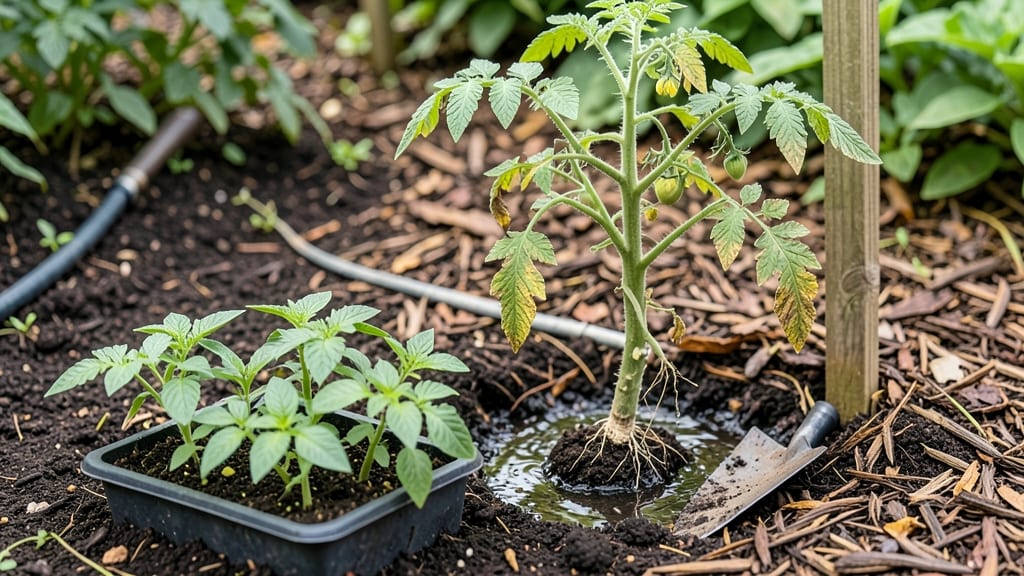
Transplanted tomato plants wilting after moving day? You're not alone—this happens more often than gardeners admit. 🌱 The good news is that most cases are fixable with simple adjustments, and you can often revive them before they hit the compost pile.
I’ve nursed back more than a few sad-looking transplants using just three targeted fixes, and I’ll walk you through exactly what to do next.
The most common culprits are transplant shock (roots adjusting to new soil) and overwatering (too much love can drown roots). Other times, it’s root damage from rough handling or environmental stress like sudden heat or wind.
The key is acting fast—within 24-48 hours—to give your plants a fighting chance. Start by checking the soil moisture with your finger: if it’s soggy, hold off on watering; if it’s bone-dry, give a deep drink.
You’ll see improvement within 3-5 days if the issue is water-related or shock. For root damage, gently loosen the soil around the base to encourage new root growth, and provide afternoon shade for a week to reduce stress.
The goal isn’t perfection—it’s giving your tomatoes time to recover while you monitor their progress. Once they perk up, they’ll grow stronger than ever.
Prevention is easier than fixing: water deeply before transplanting, handle plants by the leaves (not the stems), and avoid moving them on hot days. These small tweaks make all the difference in keeping your tomatoes thriving from day one. Let’s get those plants back on track!
Root Shock And Transplant Trauma
Transplanted tomato plants often wilt due to root shock—a physiological stress response triggered when delicate roots are disturbed during the move. This isn’t just a minor setback; it can disrupt the plant’s ability to absorb water and nutrients, leading to droopy leaves and stunted growth.
Understanding the science behind it helps you act fast and minimize damage.
When you uproot a tomato plant, even with care, fine feeder roots—the tiny, hair-like structures responsible for 90% of water and nutrient uptake—get damaged.
These roots are highly sensitive to: - Physical trauma from digging or handling (even gentle removal can bruise them). - Exposure to air (roots dry out in seconds, losing their ability to hydrate the plant). - Root pruning (if roots are trimmed too aggressively during transplanting).
Actionable fix: Use the "clump-and-shake" method—dig a deep hole, loosen the root ball with your hands, and transplant while keeping as much soil intact as possible. Avoid pulling plants by the stems!
Root shock causes osmotic imbalance—the plant’s roots struggle to regulate water flow between soil and leaves.
Symptoms include: - Flaccid (soft) leaves that don’t perk up even after watering. - Wilting in the heat (the plant can’t pull moisture fast enough to match evaporation rates). - Yellowing lower leaves (a sign of nutrient starvation due to poor absorption).
Why it happens: The plant’s xylem vessels (water transport highways) get air bubbles (embolisms) from disrupted root pressure. This is like a clogged straw—water can’t reach the leaves.
Actionable fix:
- Water deeply before transplanting to hydrate roots.
- Mulch heavily (2–3 inches of straw or wood chips) to retain moisture and reduce stress.
- Use a root stimulator (like mycorrhizal fungi or seaweed extract) to jumpstart recovery.
Tomatoes are heat-loving plants, but transplant shock often coincides with:
- Sudden temperature swings (e.g., moving from a greenhouse to a hot sun or a cool evening).
- Transplanting at the wrong time (midday heat or freezing nights can double stress).
- Inadequate acclimation (hardening off seedlings too quickly).
Science behind it: High temperatures increase transpiration (water loss through leaves) while the roots are still recovering. The plant wilts as a survival mechanism to reduce water loss—but if it can’t recover, permanent damage occurs.
Actionable fix:
- Transplant in early morning or late afternoon to avoid peak sun.
- Provide shade cloth for the first 3–5 days post-transplant.
- Avoid fertilizing immediately—focus on water and recovery first.
Stressed plants are magnets for pests and diseases. Common culprits after transplanting:
- Fungal infections (like Fusarium or Phytophthora) enter through damaged roots.
- Aphids or spider mites attack weakened foliage, further draining the plant.
- Root rot from overwatering a compromised plant.
Why it’s deadly: A wilting plant with root damage is already struggling—adding pathogens turns a temporary setback into a fatal decline.
Actionable fix:
- Inspect roots before planting (rinse off soil to check for rot or pests).
- Use fungicide dust (like mycorrhizal powder) on roots before replanting.
- Avoid overhead watering for the first week to prevent fungal spores from splashing onto leaves.
Revive Your Tomato Plants Fast
Transplanted tomato plants wilting? Don’t panic—this is often a temporary shock, and with the right care, your plants can bounce back stronger than ever. Below, we’ve mapped out practical, step-by-step fixes for the most common causes of wilting after transplanting, plus prevention tips to keep your tomatoes thriving.
Let’s get your garden back in shape!
Wilting after transplanting is often due to root disturbance or improper watering. Tomatoes need consistent moisture, but too much or too little can stress them.
How to Fix It:
✅ Check the soil moisture – Stick your finger 1-2 inches deep. If it’s dry, water deeply; if soggy, hold off until it drains. 🔥 Water at the base – Avoid wetting leaves to prevent fungal diseases.
Use a soaker hose or drip irrigation for slow, deep hydration. 🍳 Mulch to retain moisture – Spread 2-3 inches of organic mulch (straw, grass clippings, or shredded leaves) around the base (but not touching the stem) to keep roots cool and hydrated. ⏰ Water in the morning – This gives plants time to absorb moisture before evening heat evaporates it.
💡 Pro Tip: If your plants are severely wilted, give them a deep watering every 2-3 days until they perk up. Overwatering is worse than underwatering—yellowing leaves mean you’re drowning them!
Tomatoes are tender and can wilt if exposed to sudden heatwaves or chilly nights, especially right after transplanting.
How to Fix It:
🌡️ Provide shade cloth – If temps hit above 90°F (32°C), drape 30-50% shade cloth over plants for a few hours a day to prevent scorching. 👨🍳 Use row covers for cold snaps – If nights dip below 50°F (10°C), cover plants with frost blankets or lightweight fabric to trap warmth. 🥘 Water in the evening – If heat is the issue, water late in the day so roots absorb moisture before evaporation. ✨ Acclimate gradually – If moving plants from indoors to outdoors, harden them off over 7-10 days by exposing them to sunlight for increasing durations.
💡 Pro Tip: Mulch heavily in extreme heat—it acts like a cooling blanket for roots. Avoid dark mulches in hot climates; straw or light-colored mulch reflects heat better.
If roots were bruised, cut, or buried too deep during transplanting, wilting is a sign of stress or suffocation.
How to Fix It:
🔪 Gently loosen compacted soil – If roots look tangled, tease them apart with your fingers (wear gloves!) to encourage spreading. 🌱 Check planting depth – Tomatoes should be buried up to the first true leaves (not the stem).
If too deep, hill soil around the base to support stems. 💦 Give roots time to recover – Avoid fertilizing for 1-2 weeks post-transplant; focus on water and shade first. 🎯 Use a root stimulator – Mix mycorrhizal fungi or a seaweed-based fertilizer into the soil to boost root growth naturally.
💡 Pro Tip: If you see black or mushy roots, your plant may have root rot. Stop watering immediately, trim affected roots, and repot in fresh, dry soil with perlite for drainage.
Want to avoid wilting altogether? Follow these garden-proven strategies:
- 🌱 Transplant on a cloudy day – Reduces shock from direct sunlight.
- 💧 Water before digging up – Helps roots stay intact when moving.
- 🌡️ Choose the right time – Wait until nighttime temps stay above 50°F (10°C).
- 🌿 Use well-draining soil – Mix in compost and perlite for aeration.
- 🍅 Support young plants – Use cages or stakes to prevent stem damage from wind.
Final Thought: Wilting after transplanting is usually temporary—with the right care, your tomatoes will rebound and produce juicy, flavorful fruits in no time. 🍅🌿 Which fix will you try first?
Frequently asked questions
Why do tomato plants wilt immediately after transplanting?
Wilting happens due to transplant shock, where roots get damaged during moving. The tiny feeder roots (responsible for 90% of water uptake) dry out or get bruised, causing the plant to struggle to absorb moisture. This is normal—most plants recover within 3-5 days with proper care like consistent watering and shade.
How often should I water newly transplanted tomato plants?
Water deeply every 2-3 days until plants perk up, focusing on the soil—not the leaves. Check moisture by sticking your finger 1-2 inches deep—if dry, water thoroughly; if soggy, wait. Overwatering is worse than underwatering for stressed plants. Mulch with 2-3 inches of straw to retain moisture.
Can I save a tomato plant that's been wilting for a week?
It depends! If leaves are soft and yellowing, root damage may be severe. Try these steps: trim any black/mushy roots (sign of rot), repot in fresh, well-draining soil, and provide shade and consistent watering. If stems feel mushy or leaves stay limp, the plant may not recover. Prevention is key—next time, transplant on a cloudy day and avoid midday heat.
Should I fertilize wilting tomato plants right after transplanting?
No—wait 1-2 weeks before fertilizing. Newly transplanted plants need time to recover, and fertilizer can burn damaged roots. Instead, use a root stimulator like mycorrhizal fungi or seaweed extract to encourage regrowth. Focus on water, shade, and mulching first to reduce stress.
What’s the best time of day to transplant tomato plants?
Transplant in the early morning or late afternoon to avoid peak sun and heat stress. If moving from indoors, harden off seedlings over 7-10 days by gradually increasing sunlight exposure. Avoid transplanting on windy or extremely hot days—these conditions worsen shock and wilting.