
Planting
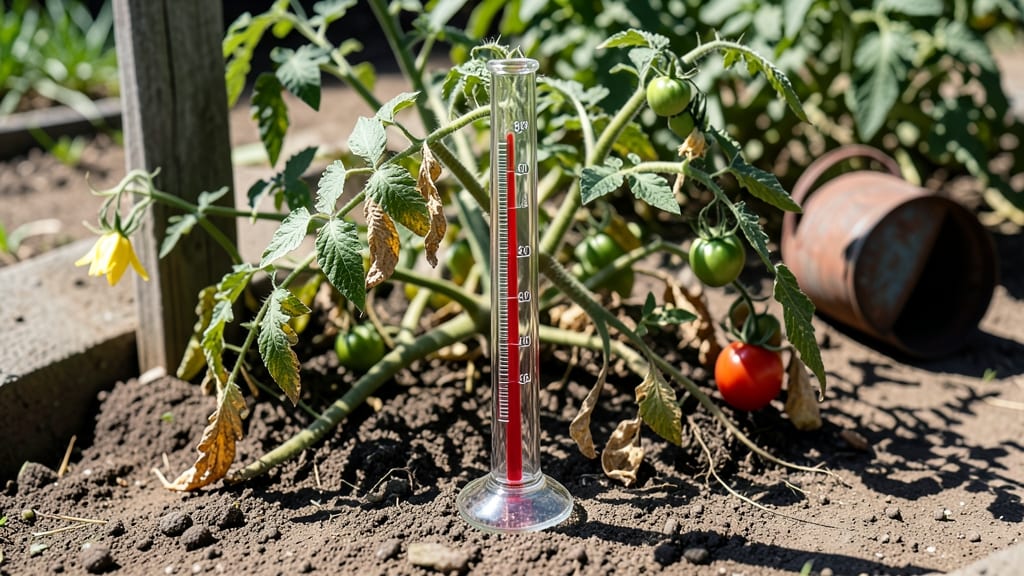
Your tomato plants wilting in the sun isn't a death sentence—it's a call for quick action. 🌿 I've seen scorched leaves go from crispy to lush again in just a few hours with the right moves, and I'll show you exactly what to do first.
The problem usually starts with too much direct sun, especially when temperatures hit 90°F+. Plants either burn from intense light or their roots can't keep up with water loss, even if the soil looks damp. Check the leaves: crispy edges mean sunburn, while drooping but soft leaves signal dehydration.
Start by moving plants to afternoon shade immediately—use a sheet or shade cloth if you don't have a natural spot. Then water deeply at the base (not overhead) to revive the roots. Within 30 minutes, you should see some recovery if the roots are still healthy.
For long-term fixes, mulch heavily to keep roots cool, space plants properly for airflow, and consider heat-tolerant varieties like 'Solar Fire' or 'Heatmaster.' These changes prevent wilting before it starts.
Root Causes Of Midday Wilting
When your tomato plants suddenly droop under the blazing sun, it’s rarely just "too much heat"—there’s usually a specific trigger behind the stress. Understanding these causes is the first step to saving your plants before permanent damage sets in.
Let’s break down the science behind why your tomatoes are wilting in the sun.
Tomatoes thrive in soil that stays consistently moist but well-drained. When the sun beats down, soil temperatures can spike to 110°F (43°C) or higher, especially in dark or compacted soil. Here’s how this harms your plants:
- Root suffocation: High soil temps reduce oxygen levels in the root zone, forcing roots to "shut down" temporarily. Think of it like holding your breath—your plant can’t absorb water or nutrients efficiently.
- Water evaporation block: Hot soil pulls moisture away from roots faster than the plant can replenish it, causing wilting even if the soil looks damp at the surface.
- Root burn: Prolonged exposure to extreme heat can actually kill delicate root tips, reducing the plant’s ability to uptake water long-term.
💡 Pro Tip: Test your soil temp with a soil thermometer—if it’s above 90°F (32°C), your tomatoes are at risk. Mulch with straw or wood chips (2–3 inches deep) to insulate roots and retain moisture.
Wilting isn’t always about lack of water—it’s often about the plant’s inability to drink enough due to:
- Shallow root systems: Young tomato plants or those in containers have limited roots, making them vulnerable to dehydration in peak sun. Even a 1–2 hour midday lapse can trigger wilting.
- Clogged or hydrophobic soil: If your soil is packed with clay or has a high salt content (from fertilizers or tap water), water beads up instead of soaking in, starving roots.
- Transpiration overload: On sunny days, tomatoes lose up to 95% of their water through leaves. If roots can’t keep up, leaves wilt as a survival mechanism to reduce water loss.
✨ Quick Fix: Water deeply in the morning (1–1.5 inches per week, more in heatwaves) and use drip irrigation or soaker hoses to deliver water directly to roots—not leaves—to prevent evaporation.
Tomatoes are C4 plants, meaning they’re adapted to handle heat—but only up to a point. When temps exceed 95°F (35°C), their stomata (tiny leaf pores) close to prevent water loss. The consequences:
- Photosynthesis halts: Closed stomata block CO₂ intake, so the plant can’t produce energy. Wilting is a visible sign of this metabolic slowdown.
- Sunburn risk: Closed stomata also prevent the plant from sweating out excess heat, leading to leaf scorch (brown, crispy edges).
- Hormonal chaos: Heat stress triggers the production of ethylene, a plant hormone that accelerates wilting and fruit drop.
🌡️ Actionable Solution:
- Provide afternoon shade (use shade cloth or plant near taller crops like corn).
- Mist leaves early in the morning to cool them down (avoid evening misting—it invites disease).
- Choose heat-tolerant varieties like ‘Solar Fire’ or ‘Heatmaster’ if you’re in a hot climate.
Wilting can also signal a hidden nutrient crisis, especially when paired with:
- Potassium (K) deficiency: Critical for osmotic regulation (how plants hold water). Symptoms include yellowing leaf edges and wilting even when soil is moist.
- Calcium (Ca) deficiency: Causes blossom end rot in fruit and weakens cell walls, making leaves flaccid. Common in sandy or acidic soils.
- Magnesium (Mg) deficiency: Leads to interveinal chlorosis (yellowing between leaf veins) and reduces the plant’s ability to regulate water.
🔥 Soil Test First: Before guessing, test your soil’s pH and nutrient levels. Amend with:
- Potassium: Banana peel tea or greensand.
- Calcium: Crushed eggshells or gypsum.
- Magnesium: Epsom salt (1 tbsp per gallon of water, applied foliarly).
🎯 Key Takeaway: Wilting in the sun is usually a combination of overheated roots, water uptake failure, and physiological stress. The good news? Most cases are reversible with targeted fixes—start by addressing the most likely culprit in your growing conditions.
Revive Your Tomato Plants Now
When your tomato plants start wilting under the sun, quick action is key to saving them. Below are practical, step-by-step solutions tailored to the most common causes—from heat stress to root issues—plus prevention tips to keep your garden thriving. Let’s get those plants back in shape!
Signs: Crispy edges, yellowing leaves, or plants drooping midday.
- 🌿 Provide Immediate Shade
- Move potted plants to a shaded spot (east or north side of the house) for 2–3 days to let them recover.
- For in-ground plants, use shade cloth (30–50%) or a lightweight row cover during peak sun (10 AM–4 PM).
- Pro tip: 💡 Use white or silver mulch (like reflective landscape fabric) to bounce sunlight away from leaves.
- 💦 Hydrate Deeply & Frequently - Water early morning (before 8 AM) or late evening to reduce evaporation. - Soak the soil 6–8 inches deep (use a trowel to check moisture).
Wilting often means roots aren’t getting enough water. - Prevention: 🌡️ Install a drip irrigation system or soaker hose to deliver water slowly at the base.
- 🍃 Trim Damaged Leaves
- Snip off sunburned or crispy leaves with clean pruners to redirect energy to healthy growth.
- Avoid removing more than 20% of the foliage at once to prevent stress.
- 🌱 Boost Recovery with Mulch
- Apply 2–3 inches of organic mulch (straw, wood chips, or grass clippings) to retain moisture and cool roots.
- Bonus: Mulch also suppresses weeds, which compete for water.
Signs: Wilting that doesn’t improve with watering, mushy stems, or yellowing lower leaves.
- ⏰ Check Soil Moisture (Don’t Guess!) - Stick your finger 2 inches into the soil. If it’s dry, water deeply. If it’s soggy, hold off on watering—roots need air too! - Test: 🔥 Drop a handful of soil on a hard surface.
If it crumbles, it’s dry. If it stays clumped, it’s too wet.
- 🔪 Prune Damaged Roots (For Severe Cases) - Gently dig around the base of the plant (be careful not to damage roots further). - Trim black, mushy, or rotten roots with sterilized scissors.
Healthy roots are firm and white. - Pro tip: ✨ After pruning, dust roots with cinnamon powder (natural antifungal) before replanting.
- 🌿 Repot or Transplant if Needed
- If roots are severely damaged, move the plant to fresher, well-draining soil in a slightly larger pot.
- For in-ground plants, create a moat around the base and fill it with water to encourage root growth downward.
- 💪 Support with Fertilizer (Gently!)
- Wait 1 week after pruning before fertilizing.
- Use a balanced, water-soluble fertilizer (10-10-10) or compost tea to replenish nutrients without burning roots.
- 🌱 Choose Heat-Tolerant Varieties
- Opt for determinate tomatoes (bush types like ‘Roma’ or ‘Celebrity’) or heat-resistant hybrids like ‘Heatmaster’ or ‘Solar Fire.’
- Avoid: Thin-skinned varieties like ‘Cherry Tomatoes’ in extreme heat.
- 🕒 Adjust Watering for Heat Waves
- Morning watering is non-negotiable—it gives roots time to absorb moisture before evaporation.
- During 100°F+ days, water twice daily (early morning + late evening) if soil is bone-dry.
- 🏡 Optimize Plant Placement
- Raise beds or use containers to improve airflow and drainage.
- Avoid south-facing walls—they act like ovens. Instead, place plants 3–4 feet away from hot surfaces.
- 🌿 Use Natural Sun Protection
- Prune lower leaves to improve airflow and reduce heat absorption.
- Plant near tall crops (like corn or sunflowers) to provide partial shade naturally.
- 📅 Monitor & Act Fast
- Check plants daily during heatwaves. Wilting that lasts more than a few hours needs immediate attention.
- Emergency hack: 🎯 Mist leaves with cool water (not ice-cold) to lower temperature quickly.
Final Thought: Most wilting from sun exposure is temporary—your tomatoes can bounce back with the right care. Stay consistent, and soon you’ll be harvesting juicy, sun-ripened fruit instead of sad, droopy leaves! 🍅🔥
Frequently asked questions
Why do my tomato leaves get crispy in full sun but the soil looks wet?
This is classic leaf scorch from intense sunlight, not root dehydration. When soil temps exceed 90°F, roots struggle to absorb water even if the surface looks moist. The crispy edges mean your plant is burning from too much direct UV exposure. Try providing afternoon shade and watering deeply in the morning to cool the roots.
Can I fix wilting tomatoes by just giving them more water?
Not always! Overwatering hot soil can actually make wilting worse by suffocating roots. First check soil moisture 2 inches deep**—if it's soggy, hold off. Instead, water deeply in the morning (1–1.5 inches) and use mulch to keep roots cool. If leaves stay crispy after 24 hours, you're likely dealing with sunburn, not thirst.
What's the fastest way to cool down overheated tomato plants?
For immediate relief, mist leaves with cool (not cold) water in the early morning, then move plants to shade. Place a shallow tray of water near the base to increase humidity. For long-term fixes, use shade cloth (30–50%) during peak sun hours and avoid fertilizing until plants recover—overfeeding stressed plants worsens the problem.
Are some tomato varieties better for hot climates?
Heat-tolerant varieties like 'Heatmaster' or 'Solar Fire' handle 95°F+ temperatures better than standard types. Look for determinate varieties (bush types) which mature faster in heat. If you're already growing regular tomatoes, try pruning lower leaves to reduce heat absorption and improve airflow around the plant.
How can I tell if my wilting tomato plant is dying or just stressed?
Check the stems: if they're soft and mushy, roots are likely rotted from overwatering or heat damage. If stems are still firm but leaves are crispy, it's sun stress—reversible with proper care. For a quick test, gently tug a leaf: if it pulls away easily, roots are struggling. If it resists, the plant has potential to recover with shade and water.