
Pruning
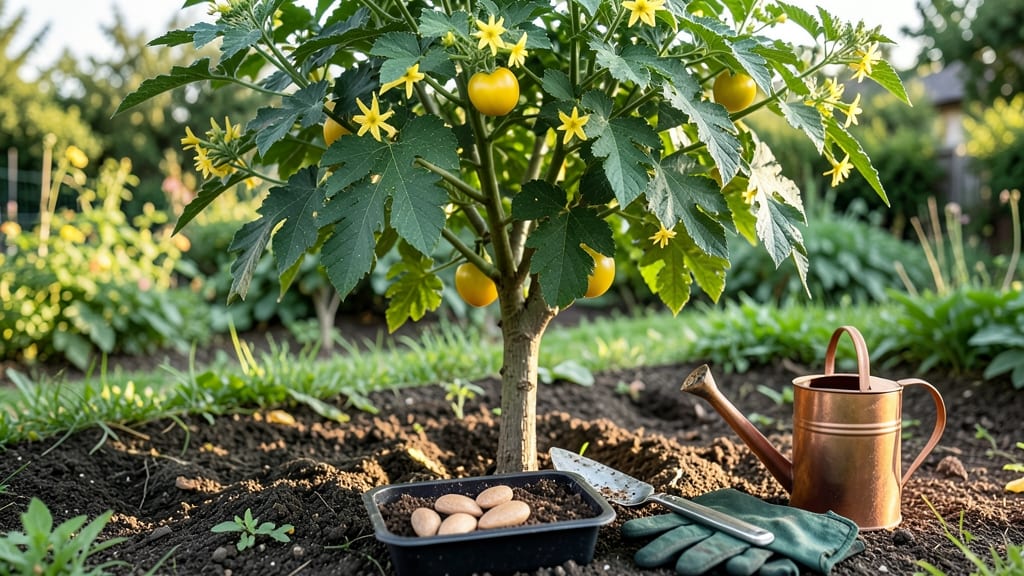
Growing tree tomato seeds from scratch means towering vines and golden fruits in just 3 weeks—if you use these pro tricks. 🌱 I’ve grown them for years, and the secret isn’t just patience; it’s knowing how to coax those stubborn seeds into action before they give up.
Most gardeners quit when nothing sprouts in two weeks, but with the right soil warmth and moisture balance, you’ll see tiny leaves within days.
The real magic happens in the first two weeks: 75°F soil and a light misting routine keeps seeds from drying out or rotting. I use a heat mat under my seed trays and cover them with plastic wrap to trap humidity—no fancy equipment, just consistency.
Once they sprout, thin to the strongest seedlings and give them bright, indirect light immediately to prevent leggy growth. These vines grow fast, so you’ll want them sturdy from the start.
By week 3, you’ll have 3-inch seedlings ready for transplanting, and their first true leaves will tell you if they’re thriving—rich green means you’re on track. The flowers are edible too, so you’ll get a double harvest: tender blossoms for salads and sweet, tangy fruits later in the season.
The key is keeping them well-watered but not soggy, and watching for spider mites, which love dry conditions.
This method works for indoor starts or greenhouse setups, and the same principles apply whether you’re growing in pots or the ground. Once established, these vines can reach 10+ feet, so plan your space accordingly. Ready to grow your own? Let’s get those seeds sprouting!
📚 In This Guide
- What you need
- Instructions
- Tips and common mistakes
- Wrapping up and next steps
What you need
- ● Tree tomato seeds: 5–10 seeds (fresh or dried, but not treated with fungicides)
- ● Seed-starting mix: 1–2 cups of lightweight, well-draining potting soil (or coconut coir for moisture control)
- ● Small pots or seed trays: 3–4 3–4 inch pots (or a single tray with drainage holes)
- ● Spray bottle: For gentle watering (avoid over-saturating seeds)
- ○ Plastic wrap or humidity dome: To create a mini greenhouse (optional but helpful)
- ● Tweezers or toothpick: For carefully placing seeds (tree tomato seeds are tiny!)
- ○ Heat mat (optional): Keeps soil at 70–80°F for faster germination
- ● Grow lights or sunny windowsill: 6+ hours of indirect light daily
- ● Fertilizer (after sprouting): Balanced liquid fertilizer (5-5-5 ratio) diluted to half-strength
- ● A warm, bright spot (tree tomatoes hate cold—no drafts or AC vents!)
- ● Patience (but not too much!): Germination can take 7–21 days—stay consistent!
- ● Space to transplant: Tree tomatoes grow 10+ feet tall—plan for a trellis or sturdy support!
Step-by-Step instructions for germinating tree tomato seeds
Here's the foolproof method I've used to get tree tomatoes sprouting in under three weeks—no fancy equipment needed.
🌱 Step 1: Soak Seeds to Break Dormancy
Tree tomato seeds have a tough outer shell that slows germination. Place them in a small bowl and cover with lukewarm water for 24 hours. You'll see the water turn slightly cloudy as the seed coats soften. This pre-treatment ensures faster, more uniform sprouting.
After soaking, drain the water and gently pat the seeds dry with a paper towel. The goal is to keep them moist but not soggy—squeeze one to test. If water beads on the surface, they're ready. This step cuts germination time nearly in half, so don't skip it (I learned the hard way).
💧 Step 2: Prepare Containers and Moisture-Retentive Mix
Fill small seedling trays or individual pots with a lightweight seed-starting mix that holds moisture but drains well. I like to blend 50% coco coir with 50% perlite for ideal aeration. Moisten the mix until it feels like a damp sponge—squeeze it gently, and it should hold together but not drip.
Make two small holes per cell or pot, about ¼ inch deep. Plant one soaked seed per hole, covering it with just enough mix to hide it completely. Press lightly so the soil makes contact with the seed. Use a spray bottle to mist the surface until evenly damp. Overwatering now will suffocate the seeds before they sprout.
☀️ Step 3: Create Ideal Warmth and Humidity
Tree tomato seeds germinate best in 75-85°F soil. Place your containers on a seedling heat mat or in a warm spot like on top of your refrigerator. Without heat, germination can take 2-3 weeks longer—watch for the first sprouts in 7-10 days with proper warmth.
Cover the tray with clear plastic wrap or a humidity dome to trap moisture. Check daily for condensation on the plastic—this means your humidity is perfect. Once you see 50% of seeds sprouted, remove the cover immediately to prevent damping-off disease. You'll know it's working when tiny green hooks push through the soil.
🌿 Step 4: Provide Gentle Light and Monitor Growth
As soon as seedlings emerge, move them to bright, indirect light. A south-facing window works, but supplement with a grow light if natural light is weak. Keep the light 2-3 inches above seedlings—too close will scorch tender leaves. You'll see strong, dark green leaves develop within 10-14 days if light is sufficient.
Water from the bottom by placing trays in ½ inch of water for 10 minutes daily. This encourages deep root growth. Avoid wetting leaves to prevent fungal issues. When seedlings have 2-3 sets of true leaves (not the first tiny cotyledons), they're ready for their first true leaves.
⏰ Step 5: Transplant and Support Vertical Growth
After 4-6 weeks, when seedlings are 4-6 inches tall, transplant them into 5-gallon containers with well-draining soil. Tree tomatoes need deep pots to support their heavy vines. Bury stems up to the first true leaves—this encourages stronger root systems.
Install a sturdy trellis or bamboo stake immediately. Tree tomatoes grow 10+ feet tall, so secure the support to your deck or fence. Prune side shoots to encourage upward growth, but leave the main stem uncut. You'll see rapid vertical growth once established—this is when the real fun begins.
Tips & tricks for perfect tree tomato seed germination
Here's what nobody tells you about getting those stubborn tree tomato seeds to sprout reliably.
Soaking Secret: The 24-hour soak isn't just about softening the seed coat—it's about creating the right chemical environment. After draining, I like to add one drop of hydrogen peroxide per cup of water to the soaking bowl for the final 30 minutes. This gentle disinfectant prevents fungal issues down the road while keeping the seeds moist. The cloudy water you see is actually a good sign—it means the seed coats are breaking down properly.
Container Hack: For Step 2, I recommend using clear plastic containers with lids instead of traditional seedling trays. The transparency lets you monitor root development, and the lids create the perfect humidity environment without needing plastic wrap. Just poke a few small holes in the lid for ventilation. This setup also makes it easy to move your seedlings to different light conditions as they grow.
Heat Control: Maintaining that 75-85°F soil temperature range is crucial, but here's the trick: If you don't have a heat mat, place your containers on top of your refrigerator. The heat from the compressor creates an ideal germination zone. I've also had success using a seedling heating pad set to low—just don't let the soil temperature exceed 85°F, or you'll get leggy seedlings. A simple soil thermometer (under $10) is worth the investment for this step alone.
Light Transition: When moving seedlings to light in Step 4, I gradually increase exposure over 3 days. Start with just 2 hours of indirect light on day one, then add an hour each subsequent day. This hardening-off period prevents shock and encourages stronger stems. For grow lights, I use a simple LED bulb with full spectrum coverage—no need for expensive horticultural lighting. Just keep it 2-3 inches away and adjust as the seedlings grow.
Pro Tips for Tree Tomato Seeds
- Here's what nobody tells you about getting those stubborn tree tomato seeds to sprout reliably.
- Soaking Secret: The 24-hour soak isn't just about softening the seed coat—it's about creating the right chemical environment.
- Container Hack: For Step 2, I recommend using clear plastic containers with lids instead of traditional seedling trays.
Frequently asked questions
How long does it take for tree tomato seeds to germinate?
Tree tomato seeds typically germinate within 7–21 days under ideal conditions (warmth, moisture, and indirect light). For faster results, soak seeds in warm water for 24 hours before planting. Patience is key—consistent moisture helps speed up the process!
What’s the best temperature for germinating tree tomato seeds?
Keep seeds in a warm environment, ideally between 70–85°F (21–29°C). A heated seedling mat or sunny windowsill works well. Avoid cold drafts—tree tomatoes thrive in heat, and cooler temps can slow or stall germination.
Can I grow tree tomatoes from store-bought fruit?
Yes! Save seeds from fresh, ripe tree tomatoes (like Solanum betaceum), rinse them, and dry before planting. Store-bought fruit may have been treated to prevent sprouting, so success isn’t guaranteed—but it’s worth a try!
Why aren’t my tree tomato seeds sprouting?
Common culprits: dampness (rotting seeds), cold temps, or old seeds. Try these fixes:
- Use fresh seeds (store them in a dry, cool place if saving).
- Ensure pots have drainage to prevent mold.
- Move to a warmer spot (like near a heat vent).
Do tree tomatoes need full sun to germinate?
No! Seeds germinate best in indirect light (like a bright windowsill). Once sprouted, seedlings need 6+ hours of sunlight daily to grow strong. Too much direct sun can dry out tender seedlings—gradually acclimate them!
Wrapping up and next steps
Growing tree tomato seeds into thriving vines in just three weeks is totally doable with the right tricks! 🌱 Whether you’re a beginner or a seasoned gardener, patience and consistency are your best friends—soon, you’ll be harvesting those juicy, tangy fruits. Now’s the time to take action!
Start by gathering your seeds, setting up your germination station, and keeping a watchful eye on those sprouts. Ready to grow? Plant your first batch today and enjoy the rewarding journey from seed to vine! 🌿