
Pests and Diseases
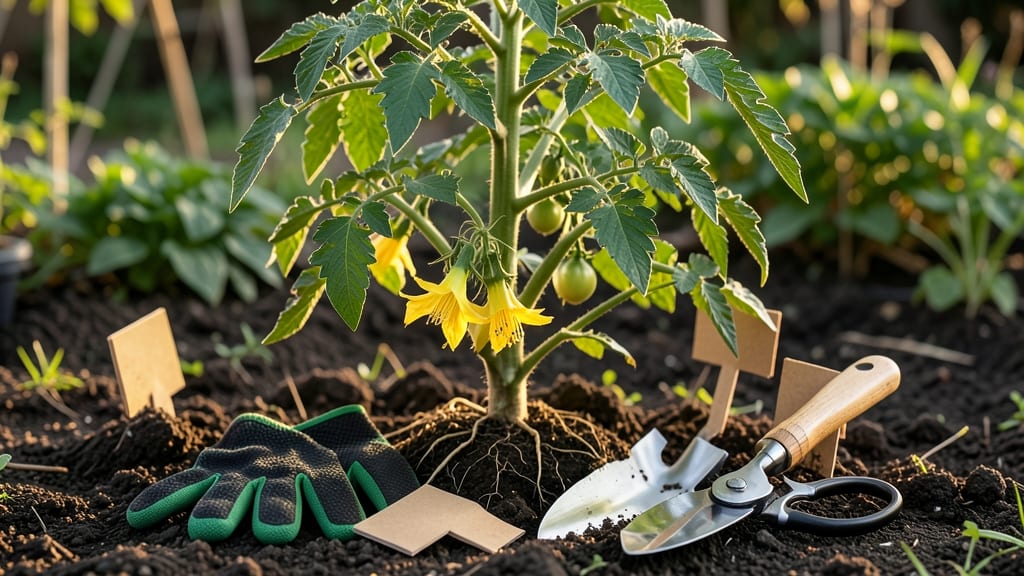
Last summer, my tomato plants nearly became a toxic nightmare—until I learned to spot the weeds that look like tomato plants so well that even experienced gardeners mistake them for seedlings, risking accidental poisoning if pulled by mistake.
The confusion starts with similar leaf shapes and hairy stems, but there are telltale differences that save your harvest.
Here's the game-changer: real tomato leaves grow in pairs along the stem, while nightshade leaves alternate and often have jagged edges. Volunteer tomatoes (from dropped seeds) look identical but grow faster and develop fruit earlier than weeds.
The biggest danger comes from black nightshade, which contains solanine—a toxin harmful if ingested. That's why I now inspect every plant before it gets taller than my wrist.
Once you know what to look for, removal becomes straightforward. Snip weeds at the base before they seed, and compost them away from your garden. For established plants, hand-pulling works best after rain when soil is soft.
Your tomatoes will reward you with heavier fruit and fewer surprises when you keep these imposters out.
This works for backyard gardens, containers, and raised beds alike. The key is checking plants weekly during their early growth stages. Here's how to make the distinction permanent in your garden routine.
Mistaken Identity In The Garden
When your garden throws a curveball and weeds start mimicking your prized tomato plants, it’s not just a case of bad luck—it’s usually a mix of biology, environment, and human habits working against you.
Understanding the root causes (pun intended) helps you spot the imposters before they steal your harvest. Here’s why these look-alikes crash your tomato party.
Some weeds are master mimics because they’ve evolved to exploit the same growing conditions as tomatoes. Here’s how it plays out:
- Similar seed dispersal: Weeds like black nightshade (Solanum nigrum) or horse nettle (Solanum carolinense) produce seeds that hitchhike on wind, water, or even garden tools—just like tomato seeds. If you’ve composted tomato plant debris or reused contaminated soil, you’ve unknowingly planted a weed starter pack.
- Shared family traits: Tomatoes belong to the Solanaceae (nightshade) family, and many weeds in this group—like jimsonweed (Datura stramonium)—have the same leaf shapes, hairy stems, and even tomato-like flowers. Their goal? Trick pollinators (and gardeners) into spreading them.
- Volunteer tomatoes gone rogue: If last year’s tomatoes dropped seeds near your beds, they might sprout as "volunteers." But if birds or squirrels nibbled those tomatoes first, the seeds could grow into wild, bitter, or toxic plants—like bitter nightshade (Solanum dulcamara).
💡 Pro Tip: Always clean your tools between beds, and avoid composting tomato plants with signs of disease or pest damage. If you’re reusing soil, solarize it (cover with clear plastic for 4–6 weeks in summer) to kill weed seeds.
Weeds don’t just pop up—they thrive when your garden’s conditions match their preferences. Here’s how your tomato patch becomes a weed magnet:
| Weed Type | Loves These Conditions | Why It Looks Like a Tomato Plant |
|---|---|---|
| Purslane (Portulaca oleracea) | Dry, sandy soil; full sun; poor drainage | Succulent stems mimic tomato seedlings, and its yellow flowers can resemble tiny tomato blooms. |
| Morning Glory (Ipomoea spp.) | Rich, moist soil; trellises or fences | Young vines have heart-shaped leaves similar to tomato leaves, and they climb like indeterminate tomato varieties. |
| Dandelion (Taraxacum officinale) | Compacted or disturbed soil; low competition | Rosette stage can resemble a tomato seedling’s first leaves, especially in early spring. |
🔥 Action Step: Test your soil’s pH and nutrients—weeds often outcompete tomatoes when soil is too rich in nitrogen (promotes leafy weeds) or too poor (stresses tomatoes, leaving gaps for invaders). Aim for a balanced 6.0–7.0 pH for tomatoes.
Even the best gardeners fall into traps that turn their tomato beds into weed hotspots. Here’s how:
- Overcrowding: Planting tomatoes too closely stresses them, leaving gaps where weeds like chickweed (Stellaria media) or lamb’s quarters (Chenopodium album) take root. These weeds have broad leaves that can resemble young tomato foliage.
- Ignoring mulch: Without mulch, soil stays bare and warm—perfect for weed seeds to germinate. Spurred anoda (Chamaesyce sp.), a milkweed look-alike, thrives in disturbed, mulch-free soil and mimics tomato seedlings.
- Watering waste: Overhead irrigation (like sprinklers) soaks weed seeds on the surface, triggering germination. Nutgrass (Cyperus rotundus), a stubborn sedge, sends up shoots that can resemble tomato suckers.
- Transplant shock: If you buy tomato starts from questionable sources, they might come pre-infested with weeds like bindweed (Convolvulus arvensis), whose tendrils can tangle with young tomato roots.
✨ Prevention Hack: Use living mulch like clover or straw to smother weeds without chemicals. And when buying starts, check for clean roots—no tendrils or extra shoots lurking underground.
Now that you know why these impostors show up, the next step is learning how to ID and evict them—without harming your tomatoes. Stay tuned!
Quick Fixes for Garden Imposters
Now that you’ve identified the sneaky lookalikes in your garden, it’s time to take action—before they ruin your tomato harvest! The good news? Most of these "weeds" can be managed with simple, effective strategies tailored to their cause.
Below, we’ll break down the most common scenarios and the best ways to tackle them, plus pro tips to keep your garden weed-free long-term.
If you’ve accidentally pulled or treated a young tomato plant thinking it was a weed (or vice versa), don’t panic! Here’s how to recover:
- 🌱 Replant or Transplant: If you’ve uprooted a tomato seedling by mistake, replant it immediately in a sunny spot with well-draining soil. Give it a few days to recover before fertilizing lightly. - 🍅 Confirm with Leaves: Double-check the leaves of any "weeds" you’ve removed.
If they’re fuzzy, lobed, or have a strong tomato scent, replant the clippings in a separate pot to save them. - 🌿 Mulch to Protect: After replanting, apply a 2–3 inch layer of organic mulch (straw, grass clippings, or shredded leaves) around the base to retain moisture and deter future mix-ups.
The best way to avoid garden imposters is to create an environment where tomatoes thrive—and weeds don’t. Here’s how:
1. 🔍 Start with Proper Plant Spacing
Weeds and young tomato plants often blend together because of crowding. Solution: - 📏 Space tomato plants 18–24 inches apart in rows spaced 3–4 feet apart.
This gives you room to inspect plants without missing sneaky intruders. - 🌱 Use raised beds if space is tight—they warm up faster, give better drainage, and make weeding easier.
2. 🌱 Choose Disease-Resistant Varieties
Some weeds (like nightshade) thrive in the same conditions as tomatoes. Solution: - 🍅 Opt for resistant tomato varieties like ‘Mountain Merit’ (blight-resistant) or ‘Solar Fire’ (heat-tolerant).
These are less attractive to pests and diseases that also target weeds. - 🌿 Rotate crops annually to break weed and disease cycles. Avoid planting tomatoes, peppers, or eggplants in the same spot every year.
3. 🌱 Use Black Plastic or Landscape Fabric
Weeds like purslane and pigweed sprout quickly in bare soil. Solution: - 🖤 Lay black plastic mulch before planting to block sunlight and prevent weed seeds from germinating.
Poke holes for tomato plants and water through the holes. - 🧵 For organic gardens, use landscape fabric (biodegradable options available) and cover with straw mulch.
4. 🔪 Hand-Weed Strategically
Not all weeds are created equal—some are easier to remove than others. Solution: - 🌱 Pull young weeds by hand (when soil is moist) to avoid disturbing tomato roots.
Use a weeding knife for stubborn taproots like dandelions. - 🌿 Focus on "hot spots"—areas near fences, walkways, or where weeds cluster. Remove them before they seed. - ⏰ Time it right: Weed early in the morning or late afternoon when plants are less stressed.
5. 💡 Natural Herbicides for Stubborn Weeds
For weeds like bindweed or morning glory that mimic tomato vines, chemical-free options work best:
- 🌿 Vinegar spray (1 gallon white vinegar + 1 oz dish soap) kills weeds on contact but may harm nearby plants—use carefully on windless days.
- 🌱 Boiling water poured directly on weeds (great for cracks in pavement or driveways).
- 🌱 Corn gluten meal (apply pre-planting) to prevent weed seeds from germinating.
- 💡 Plant densely: Use companion plants like basil, marigolds, or onions around tomatoes—they deter weeds and pests naturally. - 🌡️ Keep soil moist but not soggy: Weeds thrive in dry, compacted soil. Drip irrigation or soaker hoses keep moisture even and discourage weed growth. - 🌱 Solarize stubborn weeds: In hot climates, cover weeds with clear plastic for 4–6 weeks to bake them out. - 🔄 Compost "weeds" wisely: Only compost non-seeding weeds (like chickweed).
Bag and discard weeds that have gone to seed (e.g., lamb’s quarters) to prevent spreading.
If your garden is overrun with persistent weeds like bindweed, nutsedge, or poison ivy, it’s time to escalate:
- 🚜 Tilling (for annual weeds) can help, but avoid deep tilling—it can spread perennial weeds.
- 🌱 Professional help: For invasive species, consult a local extension office or garden center for targeted solutions.
By combining preventive measures with targeted treatments, you’ll keep your tomato plants—and your sanity—intact. Next time you spot a suspicious leaf, take a second look: it might just be your next big harvest waiting to happen! 🍅✨
Frequently asked questions
How can I tell if a young plant is a tomato seedling or nightshade weed?
Check the leaf arrangement: tomato leaves grow in pairs along the stem, while nightshade leaves alternate. Also look for jagged edges on nightshade leaves and a slightly bitter smell when crushed. If the plant has small purple flowers, it's definitely a weed.
Are volunteer tomatoes (from dropped seeds) safe to eat?
Only if they look identical to your cultivated varieties and grow in similar conditions. Volunteer plants from hybrid seeds may produce inferior fruit. Never eat plants with bitter leaves or purple flowers—these indicate toxic nightshade relatives.
What's the fastest way to remove weeds without harming tomato plants?
Use a weeding knife for precise removal, especially after rain when soil is soft. For stubborn weeds, apply vinegar spray (1 gallon white vinegar + 1 oz dish soap) directly to leaves—avoid spraying tomato foliage. Always remove weeds before they develop flowers.
Can I compost weeds that look like tomato plants?
Only compost non-seeding weeds like chickweed. Bag and discard any weeds with flowers or seeds (like lamb's quarters) to prevent spreading. For nightshade weeds, double-bag them and dispose of them in yard waste—never in compost piles where seeds could survive.
Why do some weeds appear only in certain parts of my garden?
Weeds thrive in specific microclimates—dry areas attract purslane, while moist spots favor morning glory. Check soil conditions: weeds often indicate compacted soil (dandelions) or nutrient imbalances (lamb's quarters). Adjust watering and mulching in problem areas to discourage them.