
Pests and Diseases
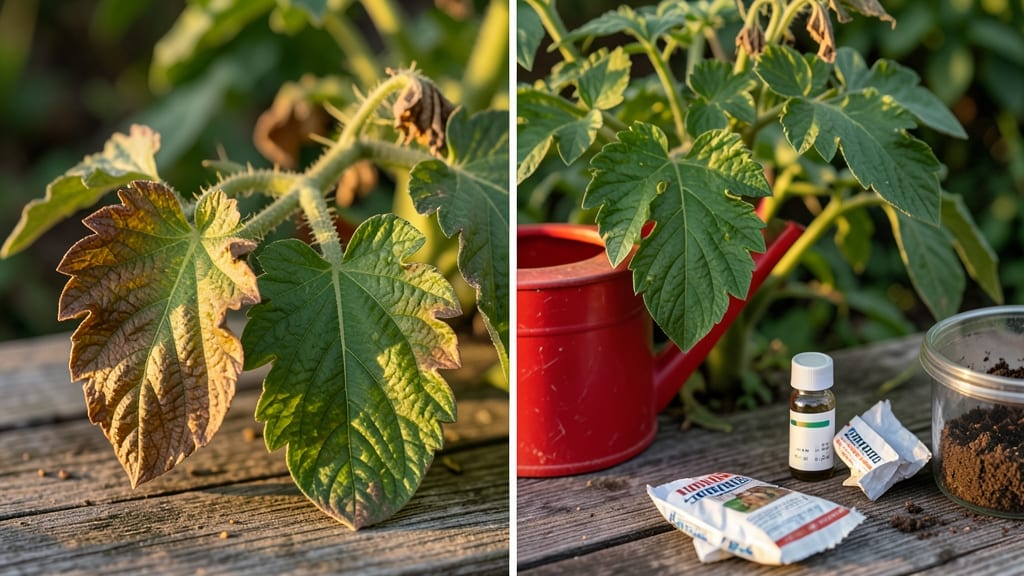
Brown edges on tomato leaves mean your plants are screaming for help—often before the damage spreads to the whole leaf. 🌱 I’ve seen this happen from drought stress to fungal infections, and the fix depends on what’s really going wrong.
The key is acting fast before the problem turns your plants into crispy snacks for pests. Start by checking your watering routine: too much or too little can scorch edges just like overcooking a steak.
Then look closer—are the brown spots dry and papery (likely underwatering) or mushy with yellowing (overwatering or blight)? Spider mites also leave a fine webbing and speckled damage that starts at the edges. Once you identify the cause, prune affected leaves immediately to stop the spread.
For blight, apply a copper fungicide at the first sign, and space plants wider for airflow. Underwatering? Mulch heavily to retain moisture, and water deeply in the morning to prevent evening fungal growth. This isn’t just about saving leaves—it’s about keeping your whole harvest healthy.
With the right fix, your tomatoes will bounce back with stronger growth and fewer future problems. Let’s get those plants thriving again!
Root Causes Behind Leaf Stress
When your tomato plants start showing brown, crispy edges on their leaves, it’s rarely a random act of nature—it’s a cry for help. Understanding the why behind this distress is the first step to saving your plants.
Below, we break down the most common culprits, backed by science, so you can diagnose and act fast.
Tomatoes are thirsty but hate soggy feet. Brown edges often signal water stress, whether from drought or overwatering.
- Underwatering (🔥 Drought Stress)
- Why it happens: Tomato leaves lose moisture faster than roots can replace it, especially in hot, dry, or windy conditions. Cells along leaf edges plasmolyze (shrink from water loss), causing crispy, brown margins while the center stays green.
- Red flags: Soil feels dry 1–2 inches deep; wilting in heat; edges curl upward like a parchment.
- Actionable fix: Water deeply 1–2 inches per week (more in heatwaves), focusing on soil—not leaves. Use drip irrigation or soaker hoses to keep roots consistently moist.
- Overwatering (🌊 Root Suffocation)
- Why it happens: Excess water displaces oxygen in soil, leading to anaerobic conditions that damage roots. Weak roots can’t absorb nutrients or water efficiently, causing leaf edges to brown and curl downward.
- Red flags: Yellowing between veins (chlorosis); mushy, foul-smelling roots; soil stays soggy for days.
- Actionable fix: Improve drainage with organic matter (compost, perlite) and space waterings 2–3 days apart in cool weather. Never let plants sit in saucers of water.
Tomatoes love sun, but intense heat or direct afternoon rays can fry leaf edges faster than you’d think.
- Heat Stress (🌡️ 90°F+)
- Why it happens: High temperatures increase transpiration (water loss) while stomata (leaf pores) struggle to close fast enough. Leaf edges dry out and necrotize (die) from cellular dehydration.
- Red flags: Brown edges appear suddenly on upper leaves during heatwaves; plants look "scorched" like a sunburn.
- Actionable fix:
- Shade cloth (30–50% coverage) during peak sun (11 AM–3 PM).
- Mulch heavily (straw or wood chips) to keep roots cool.
- Avoid fertilizing during extreme heat—it accelerates water loss.
- Sun Scorch (🔥 Direct Midday Sun)
- Why it happens: Young or tender leaves exposed to unfiltered sunlight (e.g., after transplanting) suffer photoxidative damage. Chlorophyll breaks down, leaving crispy, brown patches.
- Red flags: New growth shows white or yellow patches before browning; often on south-facing leaves.
- Actionable fix: Acclimate plants gradually to full sun (harden off for 1–2 weeks). Use row covers or temporary shade in early season.
Brown edges can also signal fungal diseases that thrive in humid conditions. These pathogens block water and nutrient flow, causing leaf margins to wither.
- Early Blight (Alternaria solani)
- Why it happens: This fungus spreads via splashing water and thrives in warm, damp nights (75–85°F). It clogs stomata, forcing leaves to lose water through edges, which turn brown and leathery.
- Actionable fix:
- Water at soil level (avoid overhead spray).
- Copper fungicide (preventative) or baking soda spray (1 tsp baking soda + 1 quart water + drop of soap).
- Why it happens: This fungus obstructs xylem vessels (water highways in leaves), causing edges to dry out. It loves high humidity and poor airflow.
Brown edges can also scream for specific nutrients that regulate water balance and cell structure.
- Potassium Deficiency (💥 "Burn Tip" Syndrome)
- Why it happens: Potassium helps stabilize cell membranes and regulate water flow. Without it, leaf edges lose turgor pressure, causing them to brown and scorch—even if soil is moist.
- Actionable fix:
- Apply potassium-rich fertilizer (e.g., greensand, wood ash, or 0-10-10 formula).
- Banana peel tea (steep peels in water for 24 hours; use as foliar spray).
- Why it happens: Calcium strengthens cell walls and prevents osmotic stress (water imbalance). Without it, leaf edges become brittle and necrotic, especially in acidic or waterlogged soil.
- Red flags: Brown, dead edges on new growth; stems may show blackened tips.
- Actionable fix:
- Lime (calcium carbonate)** if soil pH is below 6.0 (test with a kit).
Pro Tip: 🔍 Rule out pests first! Spider mites and aphids can debilitate leaves by sucking sap, leading to brown edges. Check undersides of leaves for tiny webs or sticky residue (honeydew). Treat with soapy water spray or neem oil if confirmed.
How to Fix Leaf Stress in Tomatoes
Reviving your tomato plants starts with identifying the root cause of those unsightly brown edges. Once you pinpoint the issue, you can take targeted action to nurse your plants back to health—before the problem spreads or worsens.
Below are practical, step-by-step solutions tailored to each common cause, along with prevention tips to keep your garden thriving.
Brown, crispy edges on tomato leaves often signal overwatering or soggy roots. Too much moisture cuts off oxygen, leading to root rot and nutrient starvation.
🔥 Step 1: Adjust Your Watering Routine
- Water deeply but less frequently—aim for 1–1.5 inches of water per week, including rainfall.
- Water at the base (not overhead) to keep leaves dry and reduce fungal risks.
- Use the finger test: Stick your finger 1–2 inches into the soil.
If it’s damp, wait before watering again.
👨🍳 Step 2: Improve Soil Drainage
- Amend heavy clay soil with compost, perlite, or coarse sand to loosen it up.
- Raise containers if growing in pots—ensure they have drainage holes.
- Check for waterlogging: If soil stays wet for days, consider planting in a higher spot or using raised beds.
🌡️ Prevention Tips
✔ Mulch around plants (2–3 inches of straw or wood chips) to regulate moisture and reduce evaporation. ✔ Avoid watering late in the day—wet leaves overnight invite disease. ✔ Monitor weather forecasts—adjust watering during heavy rains or humidity spikes.
If your tomato leaves feel dry and brittle, they’re likely thirsty or struggling with heat. Brown edges can also appear if plants don’t get enough water during hot spells.
🍳 Step 1: Hydrate Properly
- Give plants a deep soak in the early morning or late evening to reduce evaporation.
- Use drip irrigation or soaker hoses to deliver water directly to the roots.
- Group plants together to create a microclimate that retains moisture.
🌿 Step 2: Provide Shade and Cool Relief
- Use shade cloth (30–50% coverage) during peak afternoon sun if temperatures exceed 90°F (32°C).
- Plant near taller crops (like corn or sunflowers) to offer natural shade.
- Mist leaves lightly in extreme heat (early morning only) to prevent sun scorch.
🎯 Prevention Tips
✔ Mulch heavily to keep roots cool and soil moisture stable. ✔ Water consistently—tomatoes prefer steady moisture over sporadic soaking. ✔ Choose heat-tolerant varieties (like ‘Solar Fire’ or ‘Heatmaster’) if you live in a hot climate.
If brown spots appear with yellow halos or black speckles, a fungal infection may be to blame. These diseases thrive in damp, humid conditions.
🔪 Step 1: Remove Infected Leaves
- Prune away affected foliage using sterilized scissors (wipe with rubbing alcohol between cuts).
- Dispose of clippings in the trash (not compost)—don’t let spores spread.
🧴 Step 2: Apply Fungicides
- Use copper-based sprays (like Bonide Copper Fungicide) or neem oil (mix 1 tbsp per quart of water + a drop of dish soap).
- Spray undersides of leaves where spores often hide—do this in the early morning for best results.
- Reapply every 7–10 days or after rain.
✨ Prevention Tips
✔ Space plants 18–24 inches apart for airflow—crowded tomatoes stay damp longer. ✔ Water at the base and avoid overhead sprinklers. ✔ Rotate crops—don’t plant tomatoes in the same spot year after year. ✔ Start with disease-resistant seeds (look for labels like ‘VFN’ for virus, fungal, and nematode resistance).
Tiny pests can suck the life out of leaves, leaving brown, curled, or stippled edges. Check for webs, sticky residue (honeydew), or tiny bugs clustering on undersides.
🛡️ Step 1: Knock Off Pests Manually
- Spray plants with a strong stream of water to dislodge aphids or mites.
- Use a neem oil spray (1 tsp per liter of water) as a natural insecticide.
- Introduce beneficial insects like ladybugs or lacewings to eat pests naturally.
🧼 Step 2: Clean Up the Garden
- Wipe down leaves with a damp cloth dipped in soapy water (1 tsp mild soap per gallon).
- Remove weeds—they harbor pests and compete with tomatoes for nutrients.
- Prune heavily infested leaves and dispose of them far from the garden.
💡 Prevention Tips
✔ Inspect new plants before bringing them home—quarantine them for a few days if needed. ✔ Encourage biodiversity—plant marigolds, basil, or nasturtiums to repel pests. ✔ Use reflective mulch (like aluminum foil) to deter whiteflies.
If your plants are struggling from multiple issues, try these all-around remedies:
- Fertilize lightly with a balanced 10-10-10 or tomato-specific fertilizer to restore nutrients.
- Trim back damaged leaves to redirect energy to new growth.
- Transplant if needed—if soil is compacted or diseased, move plants to fresh, well-draining soil.
- Monitor daily—catch problems early before they spiral out of control!
With the right care, your tomato plants can bounce back from brown edges and produce a bumper crop. Stay vigilant, adjust as needed, and soon you’ll be harvesting juicy, healthy tomatoes! 🍅🌿
Frequently asked questions
Why do my tomato leaves only show brown edges on the older leaves first?
This is often a sign of nutrient deficiency, particularly potassium or calcium. Older leaves show symptoms first because the plant prioritizes sending nutrients to new growth. Check for brown, brittle edges on lower leaves while newer ones stay green—this is classic "burn tip" syndrome from potassium deficiency.
Can I save my tomato plant if most leaves have brown edges?
Yes, but act fast! Prune all severely damaged leaves immediately to stop nutrient drain. Focus on fixing the root cause (watering, soil amendments, or disease treatment). Healthy new growth will emerge from the center if you address the issue within 1-2 weeks. If >50% of the plant is affected, consider replacing it to prevent spread.
How can I tell if brown edges are from overwatering vs. underwatering?
Check the leaf curl direction: downward curling with yellowing between veins = overwatering (root suffocation). Upward curling with crispy brown edges = underwatering. For overwatering, improve drainage immediately; for underwatering, water deeply at the base until soil is moist 12 inches down.
Will brown edges affect my tomato fruit production?
Yes, if left unchecked. Severely stressed plants divert energy to survival rather than fruiting. While you may still get some tomatoes, the yield will be reduced by 30-50%. Focus on reviving the plant first—healthy leaves = better fruit set. Remove any blossoms if the plant looks critically weak to conserve energy.