
Plants
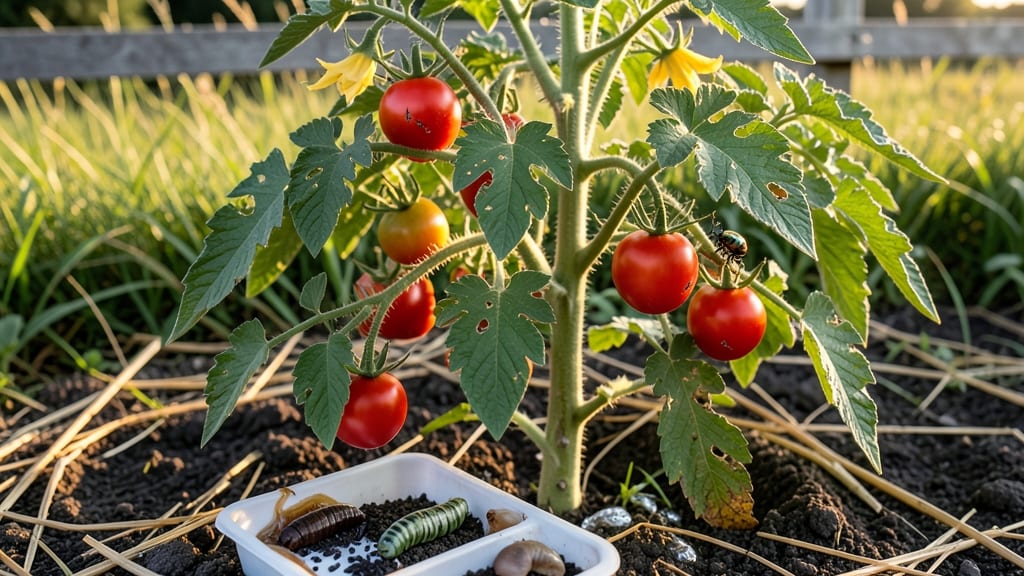
Animals that eat tomato plants include deer, rabbits, squirrels, slugs, snails, tomato hornworms, and birds like sparrows, all of which target leaves, fruit, or stems. Protect plants with physical barriers, repellents, or organic pesticides to deter damage.
Tomato plants are a buffet for many backyard critters, each with its own favorite part of the plant. 🌱 Deer and rabbits tend to go for the tender leaves and stems, while slugs and snails leave behind silvery trails and chewed holes in foliage.
Tomato hornworms, those green caterpillars with white stripes, can strip a plant bare in days by devouring leaves and fruit. Birds like sparrows often peck at ripe tomatoes, leaving behind messy, punctured fruit.
The key to protecting your tomatoes is understanding which pests are most active in your area and when they strike—spring and summer are peak seasons for most of these garden thieves.
What's interesting is how these pests choose their targets. Deer, for example, are drawn to young, tender shoots, while squirrels prefer the sweet, ripe tomatoes. Slugs and snails are nighttime raiders, so checking plants in the morning can reveal their damage.
Tomato hornworms, on the other hand, are daytime feeders and can appear out of nowhere. Knowing these habits helps you set up defenses at the right time, like using row covers in the evening to block slugs or placing netting over fruit to keep birds away.
💡 In This Article
- Identifying Tomato Plant Predators by Damage Type
- Natural and Organic Pest Control Methods for Tomato Gardens
Identifying tomato plant predators by damage type
Tomato plants reveal their attackers through distinct damage patterns. Deer and rabbits create jagged, irregular tears along leaf edges and stems, often leaving behind 1-2 inch chunks of foliage.
These herbivores are drawn to young, tender growth because it contains higher moisture and nutrient content, making it easier to digest. 🌿 The damage typically occurs at night or dawn when these animals are most active, so you might notice fresh bites in the morning.
Slugs and snails leave behind a telltale trail of slime and small, irregular holes in leaves, often near the soil line where they hide during the day. Their damage is usually concentrated on lower leaves and fruit touching the ground.
These pests target plants with soft, succulent tissue, and their activity peaks after rain when the soil is moist and they emerge to feed.
Tomato hornworms, on the other hand, create large, irregular holes in leaves and can completely strip a plant in 3-5 days—their voracious appetite is fueled by the high protein content in tomato leaves.
Birds like sparrows leave behind punctured tomatoes with small, clean holes, often near the stem where the fruit is easiest to access. These birds are attracted to ripe, sweet tomatoes because they contain natural sugars that make them an energy-rich snack.
The damage is usually superficial but can lead to rot if the punctures expose the fruit to bacteria. 🐦 Understanding these patterns helps you identify which pests are active in your garden and tailor your defenses accordingly.
Seasonal patterns also play a crucial role in predator activity. Deer and rabbits are most active in spring and early summer when new growth is abundant, while tomato hornworms peak in late summer when tomato plants are at their most vulnerable.
Slugs and snails thrive in warm, humid conditions, making late summer and fall their prime feeding times. Birds, however, may visit throughout the growing season but are more persistent when tomatoes are ripening.
Another key factor is plant vulnerability. Young tomato seedlings are particularly susceptible to damage from deer and rabbits because their tender stems are easy to chew through. Once plants mature and develop thicker stems, they become less appealing to these larger herbivores.
However, ripe tomatoes hanging low on the vine are irresistible to birds and squirrels, making them a prime target for protection. 🌱 Recognizing these stages helps you implement defenses at the right time, such as using row covers for seedlings or netting for ripe fruit.
For example, if you notice large, irregular holes in your tomato leaves, it's likely the work of tomato hornworms. These caterpillars can grow up to 4 inches long and are often found hiding among the foliage during the day.
In contrast, small, precise holes in ripe tomatoes are a clear sign that birds are visiting your garden. By paying attention to these details, you can take targeted action to protect your plants.