
How To
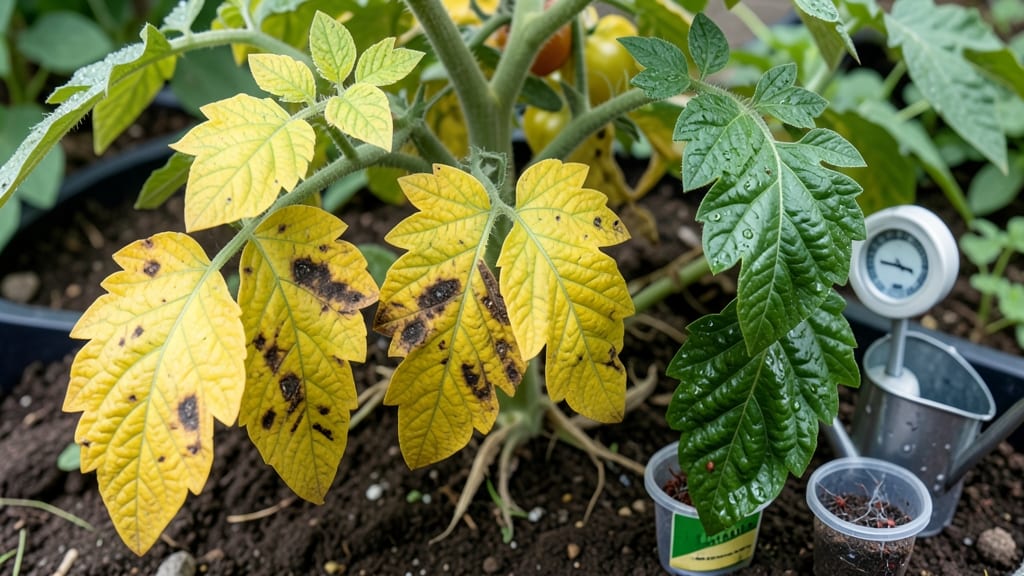
What causes yellowing of tomato leaves doesn’t mean your plant is doomed—it’s often a fixable sign of overwatered roots or nutrient stress. 🌱 I’ve seen this happen to even the most careful gardeners, including me, and the good news is that most cases can be turned around with simple adjustments. The first step is figuring out whether your plants are thirsty, drowning, or craving something specific from the soil.
Overwatering is the #1 culprit behind yellow leaves, but nutrient deficiencies like nitrogen or magnesium shortages can look identical. Early blight or septoria leaf spot might also sneak in through wet foliage, so check for dark spots or yellowing between veins.
The key is observing patterns—are the lower leaves yellowing first? That’s often a watering issue. Or are the newer leaves pale and stunted? That’s usually a nutrient call for help.
You’ll likely need to adjust your watering schedule first (tomatoes prefer deep watering every 3-4 days, not daily shallow drinks) and add compost or a balanced fertilizer to boost nutrients. For fungal issues, prune affected leaves immediately and apply a copper fungicide spray at dusk.
Within a week, you should see healthier green returning to the foliage—and maybe even a few extra tomatoes on the way.
This works for both container and in-ground tomatoes, and the fixes scale from small patio pots to full garden beds. The sooner you act, the quicker your plants bounce back. Let’s get those leaves looking vibrant again!
Root Causes Behind Leaf Discoloration
Yellowing tomato leaves aren’t just a cosmetic issue—they’re your plant’s way of signaling distress. Understanding the why behind the discoloration is the first step to reviving your tomatoes. Below, we break down the most common culprits, explained in clear, actionable terms.
Tomatoes are heavy feeders, and when they lack key nutrients, their leaves turn yellow as a warning sign. The most common deficiencies include:
- 💡 Nitrogen (N) Deficiency – The Classic Yellowing
Nitrogen is essential for leaf production, and when levels drop, older leaves (starting at the bottom) turn pale yellow or yellow-green. This is often confused with overwatering, but the key difference? The veins remain green.
Why it happens: Nitrogen leaches quickly from soil, especially in sandy or well-drained mixes. Overwatering or poor soil structure can also limit root uptake. If your tomatoes are stunted with sparse foliage, nitrogen is likely the issue.
- 🌡️ Magnesium (Mg) Deficiency – Interveinal Chlorosis
Yellowing between leaf veins (while veins stay green) is a classic sign of magnesium deficiency, often called interveinal chlorosis. This starts on older leaves and spreads upward.
Why it happens: Magnesium is mobile in the plant, so symptoms appear first where it’s needed most. Over-fertilization with nitrogen (without balancing minerals) or high soil pH (locking out magnesium) can trigger this. Compacted or waterlogged soil also restricts root access.
- 🍃 Potassium (K) Deficiency – Scorched Edges & Weakness
Potassium deficiency causes yellowing at leaf margins (edges) that eventually turn brown and crispy. Leaves may also develop weak spots or curling.
Why it happens: Potassium is crucial for water regulation and disease resistance. Excessive nitrogen, drought stress, or poor soil organic matter can deplete potassium levels. Sandy soils are particularly prone to washing it away.
Tomatoes hate soggy feet. When roots sit in waterlogged soil, they suffocate, leading to yellowing leaves, wilting, and even root rot. Here’s how it happens:
- 🔥 Root Rot – The Silent Killer
Fungal pathogens like Phytophthora or Pythium thrive in waterlogged conditions, causing roots to rot. Symptoms include yellowing leaves, stunted growth, and a foul smell from the soil.
Why it happens: Roots need oxygen to function. When soil stays soggy for days, roots can’t absorb water or nutrients, leading to nutrient starvation (even if fertilizer is present). Clay or compacted soil worsens the issue.
- 🌧️ Nutrient Leaching – Flushing Away Fertility
Overwatering wasn’t enough? Excessive irrigation flushes soluble nutrients (like nitrogen and potassium) out of the root zone, leaving your tomatoes malnourished.
Why it happens: Sandy soils drain too quickly, while heavy clay holds water but suffocates roots. Both scenarios prevent proper nutrient uptake, causing uniform yellowing across leaves.
Tomatoes are sensitive to extreme conditions. When temperatures or light levels swing outside their comfort zone, leaves yellow as a stress response.
- 🌡️ Heat Stress – Wilting & Yellowing
In high temperatures (above 90°F/32°C), tomato leaves may yellow, wilt, or develop brown edges. This is often paired with blossom drop or fruit sunscald.
Why it happens: Heat accelerates transpiration (water loss), while roots struggle to keep up. Lack of shade or poor airflow exacerbates the problem, leading to oxidative stress in leaves.
- ❄️ Cold Shock – Chilling Injury
Tomatoes are not frost-tolerant. Even temperatures below 50°F (10°C) can cause leaves to yellow, pucker, or develop dark spots.
Why it happens: Cold disrupts cell membrane function, leading to chlorophyll breakdown. Young leaves are most vulnerable, but older ones may also show damage if stress persists.
- ☀️ Light Deficiency – Leggy & Pale
Tomatoes need 6–8 hours of sunlight daily. When deprived, leaves turn yellow-green or pale, and stems stretch weakly (etiolation).
Why it happens: Insufficient light reduces photosynthesis, forcing the plant to break down chlorophyll for energy. Overcrowded plants or shade from taller crops (like corn) can trigger this.
Not all yellowing is due to water or nutrients—sometimes, pests or pathogens are to blame. Here’s how they attack:
- 🐛 Aphids & Spider Mites – Sap-Sucking Menaces
These tiny pests pierce leaves, sucking out sap and injecting toxins that cause yellowing, curling, or stippling (tiny white dots). Heavy infestations lead to leaf drop.
Why it happens: Aphids thrive in new growth, while spider mites prefer dry, hot conditions. Both weaken the plant, reducing its ability to produce chlorophyll.
- 🍄 Fungal Infections – Blight & Mildew
Diseases like early blight or powdery mildew cause yellowing between veins, often with dark spots or white powder. Leaves may also crisp and fall off.
Why it happens: Fungi spread in humid, poorly ventilated conditions. Overhead watering or contaminated soil provide the perfect breeding ground.
- 🐛 Root-Knot Nematodes – Underground Thieves
These microscopic worms attack roots, causing galls (lumpy growths) that disrupt water and nutrient uptake. Above-ground symptoms include yellowing, stunting, and wilting.
Why it happens: Nematodes thrive in warm, moist soil. They’re often introduced via contaminated soil, tools, or infected plants.
Now that you know why your tomato leaves are turning yellow, the next step is actionable solutions to bring your plants back to health. 🚀
Quick Fixes for Reviving Tomato Plants
Yellowing tomato leaves don’t mean your harvest is doomed—with the right approach, you can nurse your plants back to health and keep them producing juicy, flavorful tomatoes. Below are targeted solutions for each common cause of yellowing, along with prevention tips to keep future plants thriving. 🌱
Fix:
- Stop watering immediately until the top 1–2 inches of soil are dry. Use your finger to check moisture levels—if it’s damp, wait another day. 👩🌾
- Improve soil drainage by amending the soil with compost or perlite (10–20% of the mix). For container-grown tomatoes, ensure pots have drainage holes.
- Repot if needed: If roots are sitting in soggy soil, transfer the plant to a container with fresh, well-draining potting mix. Gently loosen compacted roots before replanting. ⏰
- Adjust your watering routine: Water deeply but infrequently—aim for 1–1.5 inches per week, depending on climate. Water at the base (not the leaves) in the early morning to reduce fungal risks.
Prevention Tips:
- Use raised beds or containers if your garden soil drains poorly.
- Mulch around plants (2–3 inches of straw or shredded leaves) to retain moisture without oversaturating roots.
- Monitor weather forecasts—avoid watering before heavy rain.
Fix:
- Water thoroughly until it drains from the bottom of the pot or seeps into the soil 6–8 inches deep. For large plants, this may take 10–15 minutes. 💦
- Provide shade during extreme heat (100°F+). Use shade cloth (30–50% coverage) or move potted plants to a sheltered spot.
- Mulch heavily to lock in moisture and cool the root zone.
- Fertilize lightly with a balanced, water-soluble fertilizer (like 10-10-10) to help the plant recover. Avoid high-nitrogen feeds, which can worsen stress.
Prevention Tips:
- Install a drip irrigation system or soaker hoses to deliver water slowly and evenly.
- Plant tomatoes where they get morning sun and afternoon shade in hot climates.
- Choose heat-tolerant varieties like ‘Solar Fire’ or ‘Heatmaster’ for sweltering regions.
Fix:
- Remove infected leaves immediately—snip them off with sterilized scissors and dispose of them in the trash (not compost). 🔪
- Apply a fungicide:
- Preventative: Spray with a copper fungicide (like Cupric Hydroxide) every 7–10 days.
- Curative: Use a biological fungicide (e.g., neem oil, potassium bicarbonate, or bacillus subtilis) for mild infections.
- Improve airflow: Prune lower leaves to reduce humidity near the soil, and space plants 18–24 inches apart.
- Water at the base only—avoid overhead watering, especially in the evening.
Prevention Tips:
- Rotate crops: Don’t plant tomatoes (or related nightshades like peppers) in the same spot for 3 years.
- Solarize soil in spring: Cover beds with clear plastic for 4–6 weeks to kill fungal spores.
- Start with disease-resistant seeds: Look for varieties labeled ‘VFN’ (resistant to Verticillium, Fusarium, and Nematodes).
Fix:
- Test your soil: Use a home soil test kit to confirm deficiencies before treating. 📊
- Add organic matter:
- For nitrogen: Mix in compost or fish emulsion (follow package rates).
- For magnesium: Apply Epsom salt (1 tablespoon per gallon of water, sprayed on leaves).
- For iron: Use a chelated iron supplement (like iron sulfate) or apply sulfur-based amendments.
- Fertilize in stages: Feed with a balanced fertilizer (like 5-5-5) every 3–4 weeks, but reduce nitrogen after flowering to boost fruit production.
Prevention Tips:
- Amend soil before planting: Mix in compost or aged manure to build long-term fertility.
- Use slow-release fertilizers to avoid spikes that stress plants.
- Monitor leaf patterns:
- Yellow between veins = Magnesium deficiency.
- Yellow with green veins = Nitrogen deficiency.
- Yellow with brown spots = Iron or manganese deficiency.
Fix:
- Blast off pests with a strong spray of water to dislodge them. 💦
- Introduce beneficial insects:
- Ladybugs or lacewings for aphids.
- Predatory mites for spider mites.
- Apply insecticidal soap or neem oil: Spray undersides of leaves where pests hide. Reapply every 5–7 days.
- Prune heavily infested leaves and dispose of them.
Prevention Tips:
- Inspect new plants before bringing them home.
- Use reflective mulch (like aluminum foil) to deter whiteflies.
- Plant companion crops: Basil, marigolds, and nasturtiums repel pests naturally.
With these fixes, your tomato plants should bounce back in 1–2 weeks, depending on the cause. Stay vigilant with prevention, and you’ll enjoy a bountiful harvest without the yellowing setbacks! 🍅✨
Frequently asked questions
Why do my tomato leaves turn yellow first at the bottom?
This is usually a sign of overwatering or nitrogen deficiency. When roots suffocate from excess moisture, older leaves yellow first as the plant prioritizes new growth. For nitrogen issues, the veins stay green while leaf edges fade—test your soil or add compost to confirm.
Can yellow leaves spread to the whole plant?
Yes! If ignored, yellowing can spread upward as the plant diverts energy to survive. Fungal diseases (like early blight) or severe nutrient deficiencies often cause this progression. Act fast by adjusting watering, pruning infected leaves, and applying targeted fixes within 3-5 days to prevent total leaf loss.
Is Epsom salt safe for all tomato plants?
Epsom salt (magnesium sulfate) is safe for most tomatoes but should be used sparingly. Mix 1 tablespoon per gallon of water and spray leaves weekly for magnesium deficiency. Avoid overuse—excess magnesium can block calcium uptake, causing blossom-end rot in fruits.
Why do my container-grown tomatoes yellow faster?
Containers dry out quicker and have limited root space, causing stress. Check for root-bound plants (roots circling the pot) or overwatering (no drainage holes). Upgrade to a 5-gallon+ pot with fresh potting mix and water only when the top 1-2 inches are dry.
Can I still harvest tomatoes if leaves are yellow?
Yes! The plant can still produce fruit even with yellow leaves. Focus on supporting the remaining foliage—prune only severely damaged leaves. However, if yellowing covers 75%+ of leaves, the plant may struggle to ripen existing fruit. Prioritize fixes immediately to protect your harvest.