
Plants
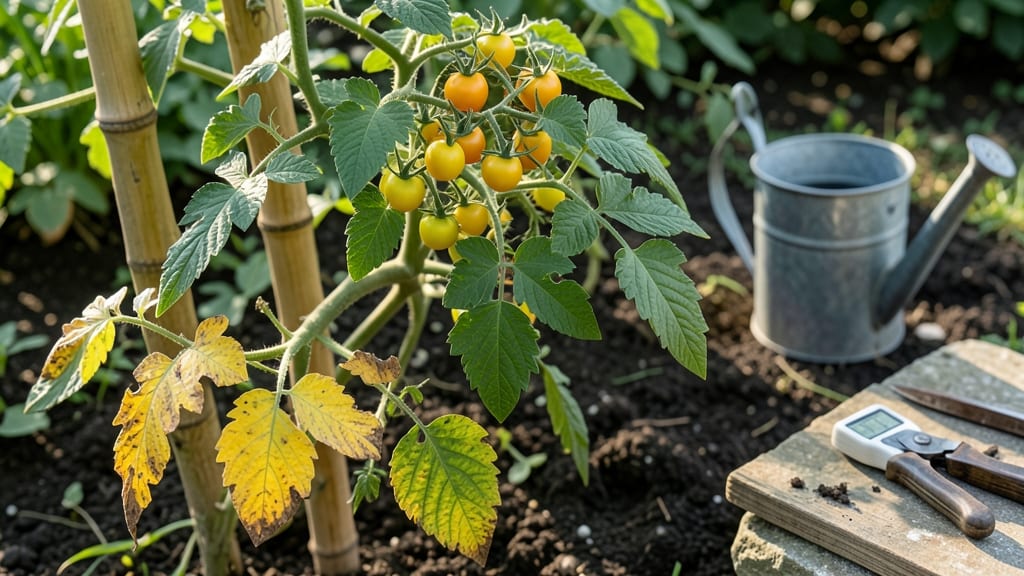
Your cherry tomato plant leaves turning yellow could mean a quick fix—or a sign of a bigger problem. 🌱 I’ve seen this happen after heavy rains, when nutrients get washed away, or when pests start feasting unseen.
The good news? Most cases resolve fast with the right steps, and I’ll walk you through how to diagnose the issue in minutes.
Start by checking the leaf pattern: yellowing between veins usually means overwatering or nutrient deficiency, while spots or curling often point to pests or disease. Grab your plant and take a close look—healthy leaves should be deep green with no weird marks.
If the stems feel mushy, that’s your clue to cut back on water immediately.
Once you’ve spotted the issue, the solution is simple: adjust watering, add balanced fertilizer, or treat pests with neem oil. I’ve revived plants in just 3-5 days by fixing one of these three things.
The key is acting fast—yellow leaves spread quickly if ignored, but with the right care, your plant bounces back stronger than ever.
Prevention is easier than fixing: water at the base (not overhead), rotate plants weekly for even sunlight, and inspect leaves regularly for early signs of trouble. Trust me, a little attention now saves hours of frustration later—and you’ll be snacking on sweet, juicy tomatoes in no time.
Root Causes Behind Yellowing Foliage
When your cherry tomato plant’s leaves start turning yellow, it’s often a cry for help—whether from neglect, environmental stress, or hidden pests. Understanding the why behind the yellow is the first step to saving your plant.
Below, we break down the most common culprits, complete with science-backed explanations and actionable insights to diagnose the issue accurately.
Yellowing leaves are a classic sign of root suffocation. When soil stays soggy for too long, roots can’t breathe, leading to oxygen deprivation and the buildup of harmful anaerobic bacteria. This triggers chlorosis—the yellowing of leaves—as the plant struggles to transport nutrients.
- How to spot it: Check the soil—if it’s damp 2+ inches down after watering or feels mushy, overwatering is likely. Yellowing often starts on older, lower leaves first.
- Science behind it: Roots rely on aeration (air pockets in soil) to function. Waterlogged conditions force roots to switch to inefficient fermentation, producing toxic ethanol and stunting nutrient uptake (especially iron and nitrogen).
- Fix it fast:
- ✅ Adjust watering: Water only when the top 1–2 inches of soil are dry. Use the finger test—stick your finger in the soil; if it’s moist, wait.
- ✅ Improve drainage: Amend soil with perlite, vermiculite, or compost (20–30% mix). Elevate pots with feet or saucers to prevent water pooling.
- ✅ Repot if needed: If roots are rotting (smelly, mushy, or black), trim the affected roots with sterilized scissors and repot in fresh, well-draining mix.
While overwatering drowns roots, chronic underwatering or extreme heat can scorch leaves, causing them to yellow and crisp at the edges. Cherry tomatoes, native to Mediterranean climates, thrive in consistent moisture—when soil dries out, the plant’s vascular system struggles to deliver water and nutrients, leading to nutritional deficiencies.
- How to spot it: Leaves may feel dry or papery to the touch, with yellowing starting at the edges or tips. Soil pulls away from pot sides, and the plant looks wilted even after watering.
- Science behind it: Underwatering reduces turgor pressure (cell rigidity), causing leaves to wilt. Heat stress exacerbates this by increasing transpiration rates—plants lose water faster than roots can replace it, leading to oxidative stress and leaf discoloration.
- Fix it fast:
- ✅ Water deeply and regularly: Aim for 1–1.5 inches of water per week (more in heatwaves). Use drip irrigation or soaker hoses to deliver water slowly to roots.
- ✅ Mulch to retain moisture: Apply 2–3 inches of organic mulch (straw, wood chips) to reduce evaporation.
- ✅ Provide shade in extreme heat: Use shade cloth (30–50%) or move pots to partial shade during peak afternoon sun (12 PM–4 PM).
Yellowing leaves can signal a lack of essential nutrients, particularly nitrogen, magnesium, or iron. These elements are crucial for chlorophyll production—without them, leaves lose their green pigment and turn yellow.
Cherry tomatoes are heavy feeders, so deficiencies often appear when soil is depleted or nutrients are locked out.
| Deficiency | Symptoms | Cause | Quick Fix |
|---|---|---|---|
| Nitrogen (N) | Yellowing starts on older leaves (bottom-up), stunted growth, weak stems. | Poor soil, overwatering leaching nutrients, or lack of organic matter. | Apply balanced fertilizer (10-10-10) or compost. Avoid over-fertilizing with nitrogen alone. |
| Magnesium (Mg) | Yellowing appears between leaf veins (interveinal chlorosis), often on older leaves. | Alkaline soil (pH > 7.0) locks out magnesium, or poor soil structure. | Add Epsom salt (1 tbsp/gallon of water) every 2–4 weeks. Test soil pH and amend with sulfur if needed. |
| Iron (Fe) | Young leaves turn pale yellow while veins stay green. Common in alkaline or sandy soils. | High pH (>7.0) makes iron unavailable, even if it’s in the soil. | Use chelated iron fertilizer or iron sulfate. Lower pH with peat moss or pine needles. |
| Potassium (K) | Yellowing with brown edges or spots, weak stems, poor fruit development. | Overwatering flushes out potassium, or soil is depleted. | Apply potassium-rich fertilizer (like banana peel tea or greensand). |
💡 Pro Tip: Always test your soil’s pH before adding amendments. Cherry tomatoes prefer pH 6.0–6.8. Use a DIY pH test kit or send a sample to a local extension office for accuracy.
Hidden pests like root-knot nematodes, fungus gnats, or soil-borne diseases (e.g., Fusarium wilt) can wreak havoc on roots, starving the plant of water and nutrients. Since roots are underground, symptoms like yellowing leaves appear after the damage is done.
- How to spot it:
- Nematodes: Stunted growth, yellowing leaves, galls (lumpy roots) when inspected.
- Fungal diseases: Yellowing spreads unevenly, often with wilting or leaf drop. Soil may smell musty.
- Fungus gnats: Adults lay eggs in moist soil; larvae feed on roots, causing yellow patches.
- Science behind it:
- N
Quick Fixes for Revived Growth
Yellowing leaves on your cherry tomato plants don’t have to spell disaster—with the right approach, you can nurse them back to health and even prevent future issues.
Below are targeted solutions tailored to the most common causes, along with practical prevention tips to keep your plants thriving. Let’s get your tomatoes back on track!
If your cherry tomato leaves are yellowing due to root rot or soggy soil, act fast to save your plants.
How to Fix It:
- Stop Watering Immediately 🚰
- Let the top 1–2 inches of soil dry out before watering again. Overwatering suffocates roots and invites fungal diseases.
- Check Drainage 🏗️
- If your pots lack drainage holes, repot your plant into a container with holes or add a layer of gravel or perlite at the bottom to improve airflow.
- For in-ground plants, consider raising beds or amending soil with compost to improve drainage.
- Trim Damaged Roots (If Repotting) ⏰
- Gently remove the plant from its pot and snip off any black, mushy roots with sterilized scissors.
- Replant in fresh, well-draining potting mix (avoid garden soil, which compacts easily).
- Adjust Watering Habits 💡
- Water deeply but infrequently—aim for 1–1.5 inches per week, adjusting for climate.
- Water at the base (not overhead) to prevent fungal spores from splashing onto leaves.
Prevention Tips: ✅ Use self-watering pots with moisture sensors to avoid guesswork. ✅ Mulch around plants (2–3 inches of straw or wood chips) to retain moisture without waterlogging. ✅ Test soil moisture by sticking your finger 1 inch deep—if it’s damp, wait before watering.
Yellowing leaves can also signal thirsty plants or heat stress, especially in hot, dry conditions.
How to Fix It:
- Water Thoroughly 💦
- Give your plants a deep soak until water drains from the bottom. Repeat every 2–3 days in extreme heat.
- Provide Shade (If Needed) 🌿
- If temperatures exceed 90°F (32°C), use shade cloth (30–50%) or move pots to a morning-sun spot to prevent scorching.
- Mulch to Retain Moisture 🌡️
- Apply 2–3 inches of mulch (straw, grass clippings, or shredded leaves) to keep roots cool and hydrated.
- Fertilize Lightly 🌱
- Yellowing from stress? A balanced liquid fertilizer (10-10-10) can help, but dilute to half-strength to avoid burning roots.
Prevention Tips: ✅ Water early in the morning to reduce evaporation. ✅ Group plants together to create a microclimate with shared humidity. ✅ Use drip irrigation for consistent moisture without wetting leaves.
Yellow leaves can indicate lack of essential nutrients, especially nitrogen, magnesium, or iron.
How to Fix It (By Deficiency):
| Symptom | Likely Cause | Solution |
|---|---|---|
| Yellow between veins | Nitrogen deficiency | Apply compost, fish emulsion, or a balanced fertilizer (10-10-10). |
| Yellow edges (older leaves) | Magnesium deficiency | Spray Epsom salt solution (1 tbsp per gallon) or add magnesium-rich soil amendment. |
| Yellowing with white veins | Iron deficiency | Use chelated iron supplement or lime (if soil is too acidic). |
| Pale green/yellow overall | General malnutrition | Side-dress with compost or use a slow-release fertilizer at planting. |
Prevention Tips: 💡 Test your soil (pH 6.0–6.8 is ideal for tomatoes). 💡 Rotate crops to avoid nutrient depletion. 💡 Use organic matter (compost, worm castings) yearly to replenish soil.
Pests like aphids, spider mites, or fungal infections can cause yellowing leaves by draining sap or blocking sunlight.
How to Fix It:
- Inspect Leaves 🔍
- Look for sticky residue (aphids), webbing (spider mites), or spots (fungus).
- Treat Pests Naturally 🍋
- Aphids/Mites: Spray with soapy water (1 tsp mild soap per quart of water) or neem oil.
- Whiteflies: Use yellow sticky traps near plants.
- Fungal Issues (Early Blight, Septoria) 🌧️
- Remove infected leaves immediately and sterilize pruners with rubbing alcohol.
- Apply copper fungicide or baking soda spray (1 tbsp baking soda + 1 quart water + few drops of soap).
- Improve Airflow 🌬️
- Space plants 18–24 inches apart and prune for better circulation to reduce humidity-related diseases.
Prevention Tips: ✨ Rotate crops yearly to prevent soil-borne diseases. ✨ Water at the base (not overhead) to keep leaves dry. ✨ Encourage beneficial insects (ladybugs, lacewings) by planting marigolds or basil nearby.
If the cause is unclear, try these all-around fixes:
- Trim yellow leaves (but not more than 1/3 of the plant at once) to redirect energy.
- Repot if roots are circling (use a container 2–3 inches larger).
- Give a foliar spray (seaweed extract or diluted fish emulsion) for a quick nutrient boost.
Final Thought: 🌱 Most yellowing issues are fixable with quick adjustments—don’t panic! Monitor your plants closely, and soon you’ll be back to harvesting juicy, red cherry tomatoes in no time. 🍅✨
Frequently asked questions
Why do only the older leaves turn yellow first?
Older leaves yellow first because your plant prioritizes nutrient delivery to newer growth. When there's a nitrogen deficiency or stress, the plant "recycles" nutrients by breaking down older leaves. This is normal—just check if the yellowing spreads or if new leaves stay healthy. If new growth is also affected, you likely have a more serious issue like root rot or disease.
Can I save my cherry tomato plant if half the leaves are yellow?
Yes! With quick action, you can often revive your plant. Start by trimming only the most yellowed leaves (never more than 1/3 at once) and focus on fixing the root cause—whether it's adjusting watering, adding fertilizer, or treating pests. If the stems feel firm and roots look healthy (not mushy), your plant can recover fully. Monitor progress daily and adjust care as needed.
Is Epsom salt safe for cherry tomato plants?
Yes, Epsom salt is safe and effective for magnesium deficiency, which often causes yellowing between leaf veins. Mix 1 tablespoon per gallon of water and spray it on leaves every 2–4 weeks. For soil treatment, work 1 tablespoon per square foot into the top inch of soil. Just avoid overusing it—too much magnesium can actually disrupt calcium uptake, leading to blossom-end rot in tomatoes.
How do I tell if yellow leaves are from overwatering vs. underwatering?
Check the soil and leaf texture: Overwatered plants have soggy soil (damp 2+ inches down) and yellowing that starts on older, lower leaves. Underwatered plants have dry, cracked soil, yellowing at the edges or tips, and leaves that feel crispy or papery. For confirmation, gently tug on the plant—if it pulls out easily, roots are likely rotted from overwatering.
Will yellow leaves affect my tomato harvest?
It depends on the cause and how quickly you act. Mild yellowing from nutrient deficiency or stress won’t ruin your harvest if fixed early, but severe issues like root rot or disease can reduce fruit production. Focus on saving the plant first—healthy leaves will return in 3–7 days with proper care, and your tomatoes should recover just fine. Always prioritize root health and balanced nutrients for the best yield.