
Plants
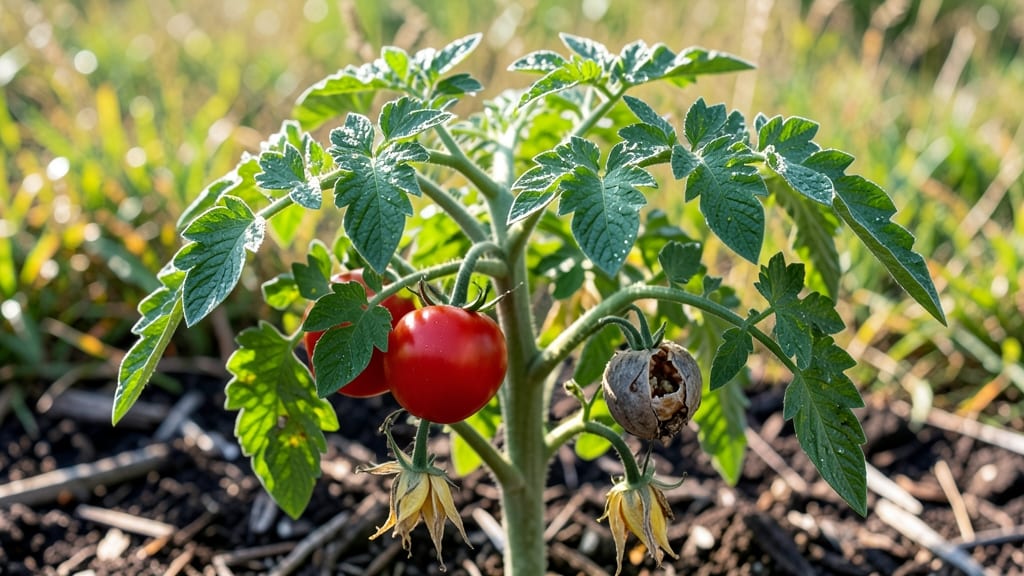
What does the inside of a bad tomato look like?
The answer will make you think twice before slicing into that grocery store tomato—dark spots, mushy centers, or hollow cavities that scream "don’t eat this." 🌱 I’ve sliced through dozens of questionable tomatoes, and these internal signs mean your harvest (or store-bought tomato) is past saving—or worse, hiding serious problems like blight or rot.
Dark brown or black spots inside? That’s often blossom-end rot, a calcium deficiency that turns flesh to mush. Hollow centers or a watery, seedy mess? Overripe tomatoes or fungal infections like alternaria stem canker have already taken over.
Even a slight off-color or slimy texture means toss it—no amount of cooking fixes these issues.
Preventing this starts in the garden: consistent watering, balanced soil, and proper spacing. Store tomatoes at room temperature (never the fridge!) to preserve flavor and firmness. When harvesting, pick at the right stage—too early, and they’ll never ripen properly; too late, and you’ll end up with these sad, spoiled interiors.
Next time you’re unsure, slice it open. If the inside looks anything like these warning signs, compost it instead of risking a stomachache. Your future self (and your garden) will thank you.
Root Causes Of Tomato Spoilage
When you slice into a tomato expecting juicy sweetness and instead find a sad, unappetizing mess, it’s often the result of one (or more) of these common culprits.
Understanding why tomatoes go bad helps you spot the problem early and prevent future disappointments. Here’s a breakdown of the science behind the spoilage—and how to avoid it.
Timing is everything when it comes to tomatoes. Harvesting too early or too late can trigger internal decay.
- Premature Picking: If picked before full ripeness (when still green or slightly firm), tomatoes lack the enzymes needed to break down cell walls properly. This leads to hollow centers or mealy textures as the fruit continues to mature off the vine without proper structure.
- Overripe Tomatoes: Left on the vine past their prime, tomatoes become mushy and develop dark, watery spots due to ethylene gas buildup. Ethylene accelerates ripening and softening, causing cells to collapse and leak fluids.
- Actionable Fix: Harvest when tomatoes are fully colored (red, yellow, or pink, depending on the variety) but still firm to the touch. If buying store-bought, opt for firm, slightly underripe tomatoes—they’ll ripen better indoors.
Microbes love tomatoes—and once they take hold, they can turn a perfect fruit into a slimy or moldy disaster.
- Gray Mold (Botrytis cinerea): Thrives in humid conditions, causing soft, grayish-brown spots that spread rapidly. The fungus feeds on organic matter, breaking down cell walls and releasing liquid that pools inside.
- Bacterial Soft Rot (Erwinia spp.): Produces watery, foul-smelling pockets with a creamy or slimy texture. Bacteria multiply in wounds (like cracks or insect bites), releasing enzymes that dissolve the tomato’s structure.
- Actionable Fix:
- 🌡️ Store tomatoes at room temperature (not in the fridge) to slow fungal growth.
- 🔪 Remove damaged tomatoes immediately—don’t store them with others.
- ✨ Use copper-based sprays (like Bordeaux mixture) if growing your own to prevent bacterial spread.
Tomatoes are delicate post-harvest. Exposure to cold, moisture, or ethylene from other fruits speeds up decay.
| Problem | What Happens Inside | How to Prevent It |
|---|---|---|
| 🥶 Refrigeration | Cold temperatures (<40°F/4°C) disrupt cell membranes, causing mealy texture and watery breakdown. Starches convert to sugars unevenly, leading to off-flavors. | ❄️ Store at 55–68°F (13–20°C)—a cool pantry or counter works best. |
| 💧 High Humidity | Moisture encourages mold growth and skin splitting, allowing bacteria to seep in. The inside becomes spongy as cells absorb excess water. | 🌬️ Use paper towels between tomatoes in storage containers to wick moisture. |
| 🍎 Ethylene Exposure | Gases from apples, bananas, or avocados trigger premature ripening, leading to soft, mushy centers and uneven color. | 🚫 Store tomatoes away from ethylene-producing fruits—or ripen them separately. |
Even minor injuries can invite spoilage. Insect bites, cracks, or rough handling create entry points for pathogens.
- Insect Damage: Hornworms, aphids, or even birds can bite into tomatoes, creating wounds where bacteria or fungi enter. The damaged area turns brown, watery, or moldy as microbes feast on the exposed tissue.
- Blossom End Rot: Caused by calcium deficiency, this creates sunken, dark lesions on the blossom end. While it starts externally, the rot spreads inward, making the tomato hollow and bitter.
- Actionable Fix:
- 👨🍳 Inspect tomatoes regularly for cracks or pests—remove damaged ones ASAP.
- 💡 Add calcium-rich amendments (like crushed eggshells or lime) to soil to prevent blossom end rot.
- 🛡️ Use row covers to protect garden tomatoes from pests.
By tackling these root causes—whether it’s harvest timing, storage habits, or pest control—you’ll keep your tomatoes tasting fresh and vibrant, slice after slice.
How to Fix Spoiled Tomatoes
Now that you know what causes those unsightly (and unsafe) changes inside tomatoes, let’s turn things around with practical fixes and smart prevention strategies.
Whether your garden harvest is failing or your grocery store picks are turning bad too fast, these solutions will help you salvage what you can—and keep future tomatoes fresh and flavorful.
If your tomatoes have already developed dark spots, slimy textures, or mold, act fast to minimize waste and prevent contamination.
🍳 Salvage for Cooking (If Safe)
- Check for mold: Cut away any visible moldy or discolored areas—at least 1 inch beyond the affected spot to ensure safety.
Discard the rest if the core or seeds look suspicious. - Use in cooked dishes: Moldy tomatoes are unsafe raw but can be cooked into sauces, soups, or salsas (boiling kills some pathogens).
Simmer for at least 10 minutes to further reduce risks. - Freeze for later: If only the exterior is spoiled but the inside is still firm, blanch whole tomatoes (dip in boiling water for 30 seconds), cool, peel, and freeze for future use in cooked recipes.
🗑️ When to Toss Them
- Hollow centers or foul smells: These are signs of bacterial decay (like Clavibacter michiganensis). Do not eat—these can cause foodborne illness.
- Entire tomato is mushy or fermenting: If it smells like alcohol or vinegar, it’s past saving.
The best way to avoid bad tomatoes? Stop the problem before it starts. Here’s how:
🌡️ Store Them Properly
- Room temperature only: Tomatoes are not fridge-friendly. Cold air ruins their texture and flavor.
Store them at 55–75°F (13–24°C) in a well-ventilated spot (like a basket or paper bag). - Avoid stacking: Pile them loosely to prevent bruising, which speeds up rot. - Separate from ethylene producers: Keep tomatoes away from apples, bananas, or avocados, which release ethylene gas and accelerate ripening.
🍅 Harvest at Peak Ripeness
- Pick when firm but yielding: Tomatoes should give slightly when gently squeezed but not be rock-hard or mushy.
Overripe ones on the vine invite pests and disease. - Use a sharp knife or pruners: Twisting stems can damage the plant and the fruit, creating entry points for bacteria.
💡 Choose Disease-Resistant Varieties
Some tomato types are bred to resist common issues:
- Blight-resistant: ‘Mountain Merit,’ ‘Defiant PhR,’ or ‘Celebrity’ (resist fungal diseases).
- Crack-resistant: ‘Roma,’ ‘San Marzano,’ or ‘Better Boy’ hold up better in heat.
- Longer shelf life: ‘Cherry tomatoes’ (like ‘Sweet 100’) ripen slower than beefsteaks.
🌿 Garden Care Tips
- Water consistently: Too much or too little water stresses plants, making them susceptible to disease.
Water at the base (not leaves) to avoid fungal spores. - Prune for airflow: Remove crowded leaves and suckers to improve circulation—this reduces humidity and fungal growth. - Rotate crops: If your garden had tomato diseases last year, avoid planting in the same spot for 2–3 years to break the cycle.
🛡️ Pest and Disease Control
- Neem oil or copper spray: Apply preventatively to deter fungal infections like early blight.
- Row covers: Use lightweight fabric to protect young plants from pests like hornworms or aphids.
- Inspect regularly: Remove damaged or diseased leaves/fruit immediately to stop spread.
If store-bought tomatoes keep disappointing you, try these pro tips: - Look for firm, vibrant ones: Avoid tomatoes with soft spots, cracks, or wrinkled skin. - Smell the stem end: A slight sweetness means ripeness; a sour or fermented smell?
Skip it. - Buy from local farms: Greenhouse tomatoes often lack flavor and ripen unevenly. Farmers’ market tomatoes are usually fresher and handled with care.
Even with perfect storage, tomatoes won’t last forever.
Here’s how to stretch their life: - Reverse ripening trick: Place a few tomatoes in a paper bag with an apple or banana to speed up ripening for others, then remove them once the batch is ready. - Vacuum-seal ripe tomatoes: If you have a vacuum sealer, this can preserve texture and flavor for weeks in the fridge (use within 3–4 months). - Make tomato paste or sauce: Blend, simmer, and can or freeze for long-term use.
By combining smart storage, proactive garden care, and savvy shopping, you’ll enjoy juicy, healthy tomatoes without the dreaded "what’s wrong with this?" moment. 🍅✨
Frequently asked questions
Can I still eat a tomato with dark spots inside?
Only if the spots are small and isolated! Cut away at least 1 inch around any dark or moldy areas to remove contaminated flesh. If the rot is extensive or the tomato smells off, toss it—some internal spoilage (like bacterial soft rot) can't be safely removed. Cooking may help kill some pathogens, but slimy or foul-smelling tomatoes should never be eaten.
Why does my tomato have a hollow center?
A hollow center usually means the tomato was either harvested too early (before full ripeness) or overripe when picked. Ethylene gas buildup in overripe tomatoes accelerates cell breakdown, creating empty spaces. For gardeners, this often happens with varieties like beefsteaks that ripen unevenly—pick when firm but yielding, not rock-hard or mushy.
Is it safe to eat tomatoes with white or gray mold?
No, never eat moldy tomatoes—even if you cut away the visible mold. Fungal spores (like gray mold or alternaria) can contaminate the entire fruit internally. The safest option is to compost them immediately. For severe cases, wash your hands and knife thoroughly with soap and hot water to prevent cross-contamination with other produce.
How can I tell if a tomato is bad just by looking at it?
Check for these external red flags: wrinkled or leathery skin, soft spots that dent when pressed, or cracks with dark liquid seeping out. The stem end should smell sweet—not sour or fermented. If the tomato feels unusually heavy for its size, it might be waterlogged from overwatering or fungal infection. When in doubt, slice it open to inspect the interior.
Can I save a tomato that’s starting to rot?
Only if the rot is superficial! Remove the damaged section with a clean knife and use the rest in cooked dishes (like sauces or soups) where heat can kill some pathogens. For minor cases, place the tomato in a paper bag with an apple to speed up ripening for other tomatoes, but isolate it from the rest of your produce to prevent spread.