
Companion Plants
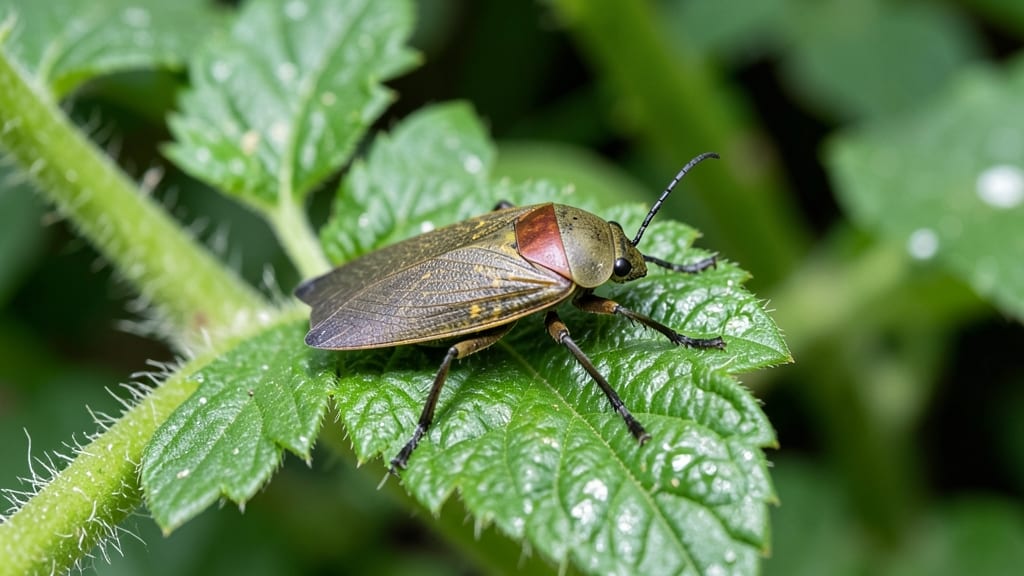
When tomato plants get swarmed by bugs, what to put on tomato plants for bugs can save your harvest in hours—not days. 🌱 I’ve tested everything from soapy water to neem oil, and these natural solutions actually work when store-bought sprays fail.
The key is acting fast before the pests strip your plants bare. Most gardeners panic when they see aphids or hornworms, but the problem starts with weak plants. Overwatering, poor airflow, and crowded stems invite bugs like a buffet.
A quick spray of homemade neem oil (1 tsp per quart of water) disrupts their life cycle within 24 hours, while a soapy water spray (1 tbsp mild soap per gallon) knocks them off leaves instantly. By mid-afternoon, you’ll see fewer pests and healthier foliage.
The plants bounce back faster when you combine sprays with companion planting—basil and marigolds repel tomato hornworms naturally. Plus, these methods keep your garden chemical-free while still protecting your $50 worth of tomatoes. Works for aphids, whiteflies, and early blight insects alike.
Here’s the step-by-step breakdown of what to spray, when, and why it stops working after a few weeks—so you can stay ahead of the bugs all season.
Root Causes of Tomato Plant Pests
Tomato plants are a garden magnet for pests—not because they’re weak, but because they’re nutrient-rich, tender, and abundant. Understanding why bugs target your tomatoes is the first step to outsmarting them.
Below, we break down the biological, environmental, and plant-based triggers that turn your garden into an all-you-can-eat buffet for insects.
Tomatoes are packed with sugars, proteins, and volatile organic compounds (VOCs) that pests can’t resist. Here’s why they’re so appealing:
- Sap Composition: Tomato leaves contain high levels of soluble sugars and amino acids, which are like fast food for soft-bodied insects like aphids, whiteflies, and spider mites.
These bugs thrive on the plant’s phloem sap, which is essentially liquid energy for them. - Volatile Compounds: Tomatoes emit terpenes and aldehydes (like methyl salicylate), which attract beneficial insects—but also herbivorous pests that use these scents to locate their next meal.
Studies show that some bugs, like hornworms, can detect tomato plants from up to 50 feet away using these chemical signals. - Young, Tender Growth: New leaves and stems are especially vulnerable because their cell walls are softer and less lignified, making them easier for chewing insects (e.g., Colorado potato beetles, flea beetles) to penetrate.
Pro Tip: 🌡️ If your plants are over-fertilized with nitrogen, they’ll produce lush, soft growth that’s even more attractive to pests. Balance your fertilizer with potassium and phosphorus to toughen up the plant’s defenses.
Pests don’t just show up—they’re invited by environmental conditions that weaken your tomatoes. Here’s how heat, humidity, and drought create the perfect pest paradise:
- Heat Stress: When temperatures exceed 85°F (29°C), tomato plants slow down their defensive chemical production (like alkaloids and phenolics).
This makes them more susceptible to borers, beetles, and mites, which thrive in warm conditions. - High Humidity: Moist air slows evaporation, keeping leaves damp longer. This is a golden opportunity for fungal pests (like whiteflies and thrips) and soft-bodied insects that need moisture to survive.
Fungal gnats also lay eggs in moist soil, hatching into voracious larvae. - Drought Conditions: While some pests love humidity, others (like flea beetles and stink bugs) target water-stressed plants because their cell sap becomes more concentrated, making it easier to extract nutrients.
Actionable Fix: 💡 Use mulch (straw or grass clippings) to regulate soil moisture and avoid overhead watering at dawn. This reduces humidity on leaves and deters fungal-loving pests.
In a healthy ecosystem, pests are kept in check by predatory insects, birds, and competing plants. But when your garden lacks diversity, bugs move in like uninvited guests at a party.
- Monoculture Gardens: Planting only tomatoes (or other nightshades) removes the confusion effect—where pests struggle to find their preferred host.
Studies show that polyculture gardens (mixing tomatoes with basil, marigolds, or onions) reduce pest infestations by up to 70%. - Missing Beneficial Insects: Without ladybugs, lacewings, or parasitic wasps, aphid and mite populations explode.
These predators need alternative food sources (like pollen or nectar plants) to stick around. - Soil Depletion: Poor soil health weakens tomato roots, making plants more attractive to root-feeding pests (like cutworms or nematodes). Healthy soil fosters stronger plants that can fend off attacks.
Quick Solution: ✨ Plant companion plants like basil (repels thrips), nasturtiums (trap aphids), or dill (attracts predatory wasps) to create a natural pest-deterrent system.
Not all tomatoes are created equal—some varieties are genetically more resistant, while others are pest magnets. Here’s why:
- Hybrid vs. Heirloom: Many hybrid tomatoes (like ‘Celebrity’ or ‘Better Boy’) are bred for disease resistance but may lack pest resistance.
In contrast, some heirloom varieties (like ‘Cherokee Purple’) have thicker leaves or higher alkaloid content, making them less appealing. - Fruit Maturity: Green, unripe tomatoes contain more solanine (a natural pesticide), but as they ripen, their defenses weaken.
This is why hornworms and fruitworms often target reddening tomatoes. - Grafted Tomatoes: While grafted plants (common in commercial farming) resist soil-borne pests, their shoots and leaves can still attract foliar pests if not pruned properly.
Smart Choice: 🎯 If pests are recurrent, try resistant varieties like:
- ‘Mountain Merit’ (resistant to hornworms)
- ‘Defiant PhR’ (resistant to early blight and pests)
- ‘Solar Fire’ (heat-tolerant and less attractive to beetles)
Sometimes, we’re the reason bugs show up. Unintentional actions can introduce or attract pests:
- Transplanting Infested Plants: Bringing in contaminated nursery starts or reusing infected soil can introduce root-knot nematodes, whiteflies, or aphids directly to your garden.
- Overhead Irrigation: Splashing water onto leaves spreads fungal spores and egg-laying pests (like spider mites) from plant to plant.
- Pruning Too Late: Leaving damaged or diseased foliage on the ground attracts cutworms and slugs, which then move to healthy plants.
- Synthetic Pesticide Overuse: Harsh chemicals kill beneficial insects first, creating a vacuum effect where pests rebound with no natural predators to control them.
Preventative Habit: 🚫 Always inspect new plants for pests, sterilize tools between uses, and water at the base (not overhead) to avoid spreading infestations.
Natural Bug Repellents for Tomato Plants
Now that you know the common culprits causing trouble in your tomato patch, let’s tackle them with effective, plant-safe solutions—no harsh chemicals required! Below, we’ve mapped out practical fixes for each pest, along with prevention tips to keep your tomatoes thriving.
These remedies are fast-acting, budget-friendly, and easy to apply, so you can protect your garden in hours.
Fix: Handpick + introduce predators 🕷️🐝 Hornworms can strip a plant bare overnight, but they’re easy to spot with their green, striped bodies. Here’s how to stop them:
- 🔥 Spot and Squish (or Relocate)
- Inspect leaves early morning (they’re sluggish then).
- Drop them into soapy water (1 tbsp dish soap + 1 gallon water) or relocate them far from your garden.
- Pro tip: Wear gloves—hornworms can bite if provoked!
- 🍳 Spicy Pepper Spray (Instant Deterrent) Mix:
- 1 tbsp hot pepper flakes or cayenne
- 1 tsp dish soap (as an emulsifier)
- 1 quart water
- Spray directly on worms (they’ll retreat in minutes).
- Reapply after rain.
- 🐝 Attract Natural Predators
- Plant dill, fennel, or parsley nearby to lure parasitic wasps (they lay eggs inside hornworms, killing them naturally).
- Ladybugs also feast on young caterpillars—buy them online or attract them with marigolds.
💡 Prevention:
- Neem oil spray (1 tbsp neem oil + 1 tsp soap + 1 quart water) weekly disrupts their life cycle.
- Row covers (lightweight fabric) smother eggs before they hatch.
Fix: Soap spray + sticky traps 🧼🕸️ These tiny pests cluster on undersides of leaves, causing yellowing and stunted growth. Act fast—they reproduce exponentially.
- 👨🍳 Homemade Soap Spray (Works in 24 Hours)
- 1 tbsp castile soap or mild liquid dish soap
- 1 quart water
- Spray thoroughly (focus on leaf undersides) every 3–4 days.
- Avoid spraying in direct sun—it can burn leaves.
- 🕸️ Sticky Traps for Whiteflies
- Hang yellow sticky cards near plants to trap adults.
- Place them above the canopy where whiteflies fly.
- 🌿 Companion Plants as Barriers
- Basil, garlic, or chives repel aphids—plant them around tomato edges.
- Marigolds release a scent that confuses whiteflies.
💡 Prevention:
- Encourage lacewings (sell them online) or ladybugs—they devour aphids.
- Prune heavily infested leaves and dispose of them in sealed bags (don’t compost!).
Fix: Beer traps + diatomaceous earth 🍺🪨 These striped beetles chew holes in leaves and lay orange eggs on stems. They’re hard to kill with sprays, so we’ll outsmart them.
- 🍺 Beer Trap (Genius Hack)
- Bury a shallow dish (like a yogurt cup) filled with beer near plants.
- Beetles drown in it—replace every 2–3 days.
- 🪨 Diatomaceous Earth (DE) Barrier
- Sprinkle food-grade DE around the base of plants and on leaves.
- It dehydrates beetles but is safe for plants (reapply after rain).
- 🥘 Handpick Eggs & Larvae
- Check undersides of leaves for orange eggs—scrub them off with a soft brush.
- Young larvae are easier to remove than adults.
💡 Prevention:
- Rotate crops—don’t plant tomatoes or potatoes in the same spot yearly.
- Mulch heavily with straw to deter adult beetles from laying eggs.
Fix: Beer bait + copper barriers 🍺🔥 These slimy pests leave silver trails and notches in leaves. They’re most active at night, so we’ll ambush them.
- 🍺 Slug Beer Trap (Free & Effective)
- Place shallow dishes filled with beer near plants.
- Slugs crawl in and drown—check traps daily.
- 🔥 Copper Tape Barrier
- Wrap copper tape around pot rims or garden beds—slugs get a mild electric shock and avoid it.
- Works best on containers.
- 🌡️ Salt or Eggshell Barrier
- Crush eggshells or sprinkle coarse salt around plants—slugs hate crawling over them.
- Avoid salt on soil—it can harm plants long-term.
💡 Prevention:
- Water in the morning—slugs hide during the day.
- Remove hiding spots (boards, dense mulch) near plants.
Fix: Neem oil + water spray 🌿💦 These microscopic pests thrive in dry, dusty conditions and weave webs on leaves. They’re hard to see but cause speckled, yellowing leaves.
- 🌿 Neem Oil Spray (Best Defense)
- 1 tbsp neem oil
- 1 tsp horticultural oil or soap
- 1 quart water
- Spray every 5–7 days until mites disappear.
- 💦 Blasting with Water
- Use a hose on a gentle setting to knock them off leaves.
- Do this early morning so leaves dry quickly.
- 🌡️ Increase Humidity
- Spider mites hate moisture—mist plants daily or use a sprinkler in dry climates.
💡 Prevention:
- Keep plants dust-free—wipe leaves with a damp cloth monthly.
- Avoid over-fertilizing—too much nitrogen attracts them.
✨ Final Pro Tip: Rotate remedies every 2 weeks to prevent pests from building resistance. Healthy plants resist pests better—ensure your tomatoes get:
- Full sun (6–8 hours/day)
- Well-draining soil
- Regular watering (1–2 inches per week)
With these natural, fast-acting solutions, your tomato plants will bounce back in no time—and you’ll enjoy juicy, pest-free harvests all season! 🍅🌱
Frequently asked questions
How often should I apply neem oil to tomato plants?
Apply neem oil every 5-7 days during active pest seasons (spring to fall). It works best as a preventive measure, so start spraying when you first see signs of aphids, spider mites, or whiteflies. Always mix it with a drop of dish soap to help it stick to leaves. Stop applications 2 weeks before harvest to avoid any residue on your tomatoes.
Can I use garlic spray on tomato plants?
Yes! Garlic spray is excellent for repelling soft-bodied pests like aphids and spider mites. Blend 2 cloves of garlic with 1 quart of water, let it steep for 24 hours, then strain and add 1 tsp of mild soap. Spray the mixture on leaves, focusing on the undersides where pests hide. Reapply every 5-7 days or after rain. The strong scent deters pests without harming your plants.
What's the best time of day to spray tomato plants?
Spray your tomato plants early morning or late afternoon when temperatures are cooler. This prevents the spray from evaporating too quickly and reduces the risk of leaf burn. Avoid spraying during peak sun hours (10 AM - 4 PM), as the sun can concentrate the solution and damage foliage. Early morning applications also help deter pests that are most active during the day.
How do I know if my tomato plants have a pest problem?
Watch for these common signs: Holes in leaves (chewing insects), sticky residue (aphids), white webbing (spider mites), or wilting despite proper watering (root pests). Check the undersides of leaves for tiny insects or eggs. Early detection is key—start treatments immediately when you see 10% or more of leaves affected. Regular inspections every 3-4 days help catch problems before they spread.
Will companion planting really keep bugs away?
Planting basil, marigolds, or nasturtiums near your tomatoes creates a natural pest barrier. Basil repels thrips and whiteflies, marigolds confuse pests with their strong scent, and nasturtiums act as trap crops for aphids. For best results, interplant companions at the same time you transplant your tomatoes and maintain them throughout the growing season. This creates a diverse ecosystem that naturally deters pests.