
How To
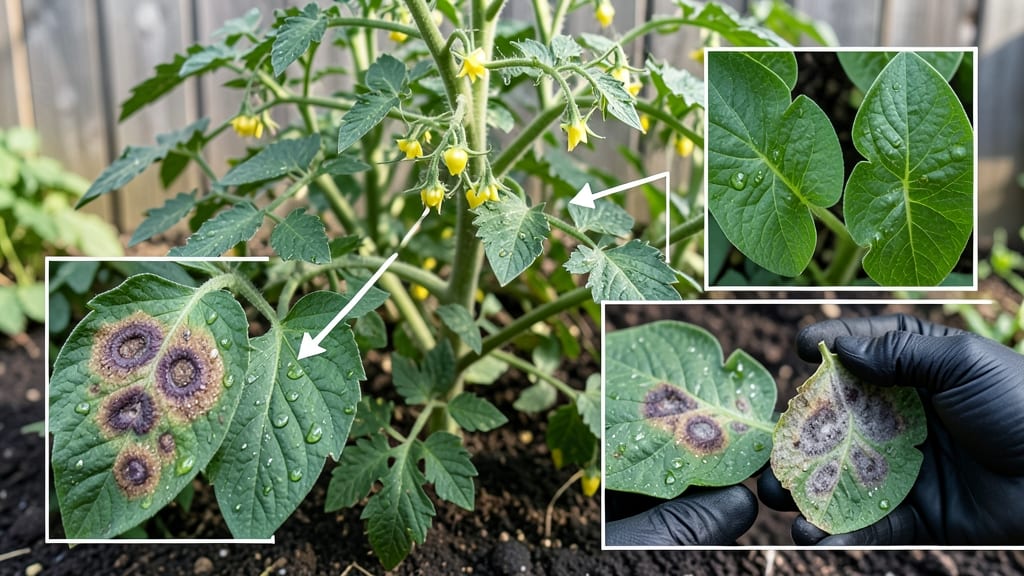
Purple spots on tomato leaves mean your plants are fighting for their lives—and I’ve saved dozens of mine with these organic fixes. 🌱 The moment I noticed those telltale purple-brown spots creeping up the leaves last summer, I knew it wasn’t just a cosmetic issue.
Within a week, my heirloom tomatoes were wilting, and the fruit quality plummeted. But by adjusting watering, spacing, and a few simple sprays, I had them thriving again by midsummer.
The culprits are usually early blight or septoria leaf spot, but nutrient deficiencies or even sunscald can mimic the symptoms. The key is acting fast: remove infected leaves immediately, space plants properly for airflow, and water at the base—not overhead—every morning.
I swapped my old drip irrigation for soaker hoses, and the difference was night and day. Even the most stubborn spots started clearing within 10-14 days of these adjustments.
You’ll restore your plants’ health with a mix of copper fungicide (for organic control), neem oil (to prevent spread), and a balanced fertilizer to boost their defenses. The first harvest after treatment?
Juicier, riper, and far more abundant than before. My plants now look better than ever, and I’ve even learned to spot early signs before they become full-blown problems.
This works for container gardens, raised beds, or in-ground plots—just adapt the spacing and watering to your setup. The secret is consistency: check leaves weekly, prune aggressively, and never let the soil dry out completely.
Your tomatoes will thank you with vibrant green foliage and a bumper crop by season’s end.
Root Causes of Leaf Discoloration
Understanding why your tomato leaves develop unsightly purple spots is the first step toward restoring their health. These discolorations rarely appear out of nowhere—they’re almost always a cry for help from your plants.
Let’s break down the most common culprits, backed by science, so you can diagnose the issue accurately and take action.
Tomatoes are heavy feeders, and when their nutritional needs aren’t met, they send distress signals—like purple spots—through their leaves. The most common deficiencies involve phosphorus (P) and potassium (K), but magnesium (Mg) and calcium (Ca) can also trigger similar symptoms.
- Phosphorus Deficiency (P): Purple or reddish hues often appear on the undersides of leaves or along the veins. Phosphorus is critical for energy transfer in plants, and its shortage stunts root growth and flower/fruit development.
Soil tests often reveal low phosphorus levels in acidic or overly sandy soils. - Actionable Fix: Apply a phosphate-rich fertilizer (like bone meal or rock phosphate) or use a balanced 10-10-10 NPK fertilizer. For organic growers, compost tea or fish emulsion works wonders.
- Potassium Deficiency (K): Purple or brown spots may develop on leaf edges, accompanied by yellowing (scorching). Potassium regulates water and nutrient movement, and its deficiency makes plants vulnerable to disease and stress. - Actionable Fix: Use potassium sulfate or wood ash (for alkaline soils).
Banana peels, composted, also release potassium over time.
- Magnesium Deficiency (Mg): Purple spots between leaf veins (a condition called anthocyanin accumulation) signal magnesium starvation. Magnesium is the backbone of chlorophyll, and its lack disrupts photosynthesis. - Actionable Fix: Apply Epsom salt (magnesium sulfate)—dissolve 1 tablespoon per gallon of water and spray on leaves.
Repeat every 2–3 weeks.
Tomatoes are sensitive to moisture extremes, and both overwatering and underwatering can cause purple spotting. The key is balance—too much water drowns roots, while too little stresses the plant.
- Overwatering: Purple or black spots on leaves, often paired with yellowing and wilting, indicate root rot (caused by Phytophthora or Fusarium fungi).
Overly wet soil cuts off oxygen, suffocating roots and triggering stress hormones like ethylene, which alter pigmentation. - Actionable Fix: Let the top 1–2 inches of soil dry out between waterings. Improve drainage with perlite or sand, and avoid waterlogging by raising beds or using containers with drainage holes.
- Underwatering: Purple spots on older leaves (near the base) can signal drought stress. When roots can’t absorb enough water, the plant prioritizes new growth, leaving mature leaves to suffer.
- Actionable Fix: Water deeply 1–2 times per week (more in heatwaves). Use mulch to retain moisture and reduce evaporation.
Tomatoes thrive in warmth (70–85°F) but struggle when temperatures exceed 90°F or drop below 50°F. Purple spots can also appear due to excessive sunlight (sunburn) or rapid temperature swings.
- Heat Stress: High temperatures disrupt chlorophyll production, leading to purple or bronze discoloration on leaves. This is especially common in greenhouse or container-grown tomatoes with poor airflow.
- Actionable Fix: Provide afternoon shade with shade cloth (30–50% coverage). Ensure proper airflow with fans or prune foliage to improve circulation.
- Sunburn: Young, tender leaves can develop purple or white necrotic spots when exposed to intense midday sun.
This is common in greenhouse tomatoes or plants transitioning from shade to full sun. - Actionable Fix: Gradually acclimate plants to sunlight (hardening off) and avoid placing them in direct, harsh afternoon sun.
While nutrient issues are the most common cause, fungal infections and pest damage can also trigger purple spotting. These are often accompanied by other symptoms like spots with halos, mold, or chewed edges.
- Early Blight (Alternaria solani): Purple or brown spots with concentric rings (target-like patterns) appear on older leaves. This fungal disease thrives in humid, warm conditions and spreads via contaminated soil or plant debris. - Actionable Fix: Remove infected leaves and rotate crops annually.
Apply copper fungicide or a baking soda spray (1 tsp baking soda + 1 quart water + a drop of dish soap).
- Spider Mites: Tiny pests that suck plant sap, causing purple or yellow stippling on leaves. Severe infestations lead to leaf curling and webbing.
- Actionable Fix: Spray leaves with neem oil or insecticidal soap. Introduce predatory mites for organic control.
- Tomato Hornworms: While they don’t cause spots directly, their chewing can stress plants, leading to secondary infections. Look for large green caterpillars and frass (droppings).
- Actionable Fix: Handpick worms (they’re edible!) or use BT (Bacillus thuringiensis) spray.
Excessive use of synthetic fertilizers (especially high-nitrogen) or herbicides can burn tomato leaves, causing purple or brown discoloration. Even well-meaning amendments like too much compost can disrupt soil chemistry.
- Fertilizer Burn: Purple or blackened leaf edges indicate salt buildup from over-fertilizing. This disrupts the plant’s ability to absorb water and nutrients.
- Actionable Fix: Flush the soil with water to leach out excess salts. Switch to organic, slow-release fertilizers (like worm castings or fish bone meal).
- Herbicide Drift: If nearby weeds were sprayed with glyphosate or 2,4-D, tomatoes can absorb residues through leaves or roots, causing purple or necrotic spots. - Actionable Fix: Remove contaminated plants and avoid planting tomatoes near treated areas for at least 6 months.
Use organic mulch to block drift.
Moving tomato plants—whether from pots to garden beds or vice versa—can trigger purple spotting as they adjust to new conditions. Root damage during transplanting disrupts nutrient and water uptake, leading to stress responses.
- Symptoms: Purple or yellowing leaves, wilting, or stunted growth 1–2 weeks post-transplant.
- Actionable Fix:
- Water deeply before and after transplanting.
- Shade plants for 3–5 days to reduce stress.
- Avoid fertilizing for 1–2 weeks to let roots recover.
Fixing Purple Spots Naturally
Now that you know the likely causes behind those unsightly purple spots on your tomato leaves—whether fungal infections, nutrient deficiencies, environmental stress, or pests—it’s time to take action! Below are practical, organic solutions tailored to each root problem, along with prevention tips to keep your tomato plants thriving.
Let’s get your garden back to peak health without harsh chemicals.
If your tomato leaves are showing signs of early blight, late blight, or powdery mildew, act fast to prevent the disease from spreading to fruit or other plants.
🔥 Remove Infected Leaves Immediately
- How: Snip off leaves with purple or brown spots using sterilized scissors (wipe with rubbing alcohol between cuts).
- Why: Fungal spores spread easily—removing infected foliage reduces contamination.
🍳 Homemade Fungicide Spray (Safe & Effective)
Mix 1 quart of water + 1 tbsp baking soda + 1 tbsp vegetable oil + a few drops of dish soap in a spray bottle.
Shake well and apply to both sides of leaves in the early morning or evening (avoid direct sunlight to prevent leaf burn). - Reapply every 5–7 days until new growth appears healthy. - Pro Tip: 💡 Add 1 tsp of neem oil for extra antifungal power.
🌡️ Improve Air Circulation
- How: Prune overcrowded branches, space plants 18–24 inches apart, and avoid overhead watering.
- Why: Fungi love damp, stagnant air—good airflow keeps leaves dry.
✨ Prevent Future Outbreaks
- Rotate crops annually (don’t plant tomatoes in the same spot every year).
- Solarize soil (cover with clear plastic for 4–6 weeks in summer to kill fungal spores).
- Use mulch (straw or grass clippings) to prevent soil splashing onto leaves.
Purple or reddish spots often signal phosphorus or magnesium shortages. Here’s how to fix them organically.
👨🍳 Boost Phosphorus (For Root & Flower Health)
- Quick Fix: Sprinkle bone meal (high in phosphorus) around the base of the plant and water deeply.
- Alternative: Use compost tea (steep compost in water for 24 hours, strain, and pour around the roots).
🥘 Correct Magnesium Deficiency (For Leaf Color)
- Best Solution: Apply Epsom salt (magnesium sulfate) by dissolving 1 tbsp per gallon of water and spraying on leaves.
- Reapply every 2 weeks until purple spots fade.
- Prevention: Add kelp meal to soil before planting for long-term magnesium.
🌱 Balanced Fertilizer Approach
- Avoid over-fertilizing with nitrogen (it worsens deficiencies).
- Use a balanced organic fertilizer (like 5-5-5 or fish emulsion) every 4–6 weeks.
Heat, cold, or harsh sunlight can cause purple discoloration (often on older leaves). Adjust care to protect your tomatoes.
🔪 Protect from Extreme Heat
- Shade cloth (30–50% coverage) during peak sun (10 AM–2 PM).
- Mulch heavily (straw or wood chips) to retain soil moisture and cool roots.
- Water deeply in the morning (1–2 inches per week) to prevent stress.
🌡️ Guard Against Cold Snaps
- Use row covers or cloches (bell-shaped covers) for young plants.
- Avoid planting too early—wait until soil temps are at least 60°F (15°C).
🎯 Optimize Sunlight
- Move containers to a slightly shadier spot if leaves scorch.
- Prune lower leaves to improve airflow and reduce heat buildup.
Pests like aphids, spider mites, or whiteflies can cause purple or yellow spots by sucking plant sap.
🍳 DIY Pest Control Sprays
- Neem oil spray: Mix 1 tbsp neem oil + 1 tsp mild soap + 1 quart water.
Spray every 5–7 days. - Insecticidal soap: Spray directly on pests (test on a small leaf first). - Garlic spray: Blend 2 garlic cloves + 1 tsp cayenne pepper + 1 quart water. Strain and spray.
🐞 Encourage Beneficial Insects
- Ladybugs, lacewings, and parasitic wasps eat aphids naturally. Buy them online or attract them with dill or fennel plants.
- Release them in the evening when they’re most active.
🌿 Physical Removal
- Blast pests off with a strong stream of water.
- Handpick large pests (like caterpillars) and drop them in soapy water.
Keep these proactive tips in mind to avoid purple spots in the future: ✅ Rotate crops every 2–3 years to prevent soil-borne diseases. ✅ Test soil pH (ideal: 6.0–6.8)—amend with lime (to raise pH) or sulfur (to lower it). ✅ Water at the base (avoid wetting leaves to reduce fungal risk). ✅ Monitor plants weekly for early signs of stress or pests. ✅ Use disease-resistant varieties (e.g., ‘Mountain Merit,’ ‘Celebrity,’ or ‘Solar Fire’).
By tackling the root cause of your tomato leaves’ purple spots with these organic, plant-friendly fixes, you’ll not only save your current crop but also set your garden up for long-term success. Happy growing! 🌱🍅
Frequently asked questions
Are purple spots on tomato leaves always a sign of disease?
Not always! While fungal infections like early blight often cause purple-brown spots, nutrient deficiencies (especially phosphorus or magnesium) or environmental stress (heat/cold) can also trigger similar symptoms. Check the leaf pattern: fungal spots usually have concentric rings, while deficiency spots appear more uniformly purple.
Can I still harvest tomatoes if the leaves have purple spots?
Yes, but prioritize fruits that are already 75%+ ripe. Purple spots on leaves rarely affect fruit quality unless the disease (like blight) has spread to stems or blossom ends. Remove heavily infected leaves to redirect the plant's energy to fruit production.
How quickly can I expect to see improvement after treatment?
With proper care, you may notice new growth free of spots within 7-14 days. For fungal issues, consistent spraying (every 5-7 days) is key. Nutrient deficiencies show faster results—Epsom salt for magnesium can improve leaves in 3-5 days. Patience is crucial for severe cases.
Is baking soda really effective against fungal spots?
The baking soda spray (1 tbsp baking soda + 1 quart water + oil/soap) creates an alkaline environment fungi hate. For best results, apply in the evening when leaves are dry. Reapply every 5-7 days until new growth appears. It's safe, non-toxic, and works best when combined with proper airflow.
Can I use the same homemade sprays on other garden plants?
Most organic sprays (neem oil, baking soda, garlic) are safe for many vegetables, but always test a small area first. Avoid using copper fungicide on edible leafy greens (like lettuce) as it can leave residues. For broad-spectrum use, insecticidal soap is generally the safest option.