
Plants
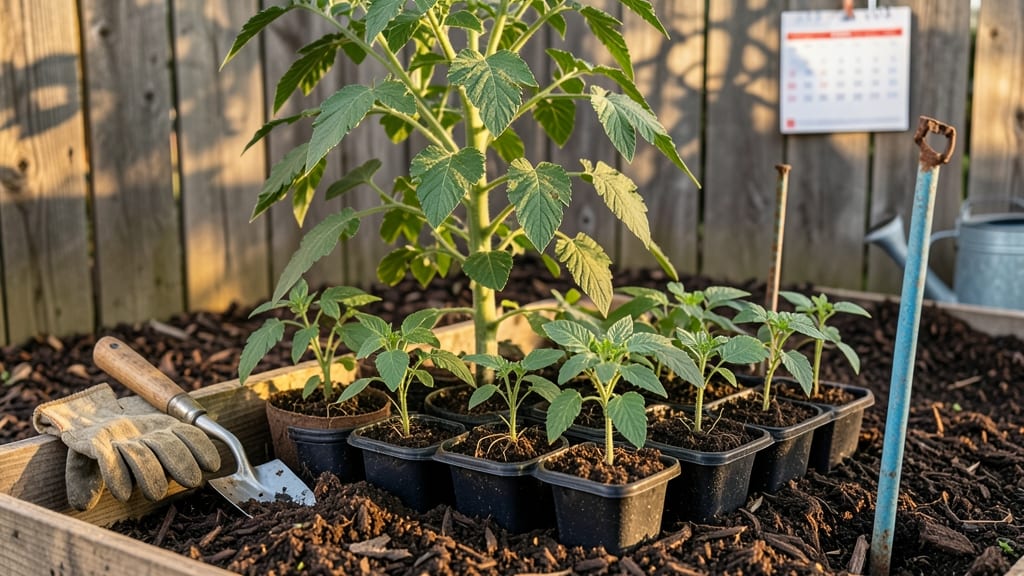
Planting tomato plants in Zone 5 means timing your move after the last frost—usually mid-May—when soil warms to 60°F and nights stay above 50°F.
Zone 5 gardeners know timing is everything—plant tomatoes too early and frost will kill them, too late and you’ll miss peak harvests. But with the right frost dates, soil temperature tricks, and plant-ready signs, you can nail the perfect window for healthy, high-yield 🍅 plants.
This guide breaks down the exact frost-free window for your area, how to test soil readiness, and which tomato varieties thrive when planted at the right time. Whether you’re starting from seedlings or direct-sowing, we’ll cover it all.
You’ll learn how to adjust for early or late springs, use row covers for extra protection, and even extend your harvest with late-season varieties. Let’s get those tomatoes in the ground at the perfect moment!
Zone 5 tomato planting timeline: frost dates & last frost guidelines
Timing your tomato plants in Zone 5 hinges on two critical factors: last frost dates and soil temperature. While the USDA average for your zone suggests a May 10 last frost, real-world planting windows vary by 1-3 weeks depending on your exact location and microclimate.
For example, Chicago typically sees its last frost around May 15, while Minneapolis often waits until May 22.
To avoid frost damage or wasted time with stunted growth, I recommend using a 3-step verification process: check historical frost data, monitor current soil temps, and confirm nighttime air temps.
The Almanac provides free frost calculators that adjust for your ZIP code—this is your best friend for personalized planting dates.
Here’s the golden rule for Zone 5: Never plant outdoors until soil temps reach 60°F at 4-inch depth and nighttime temps stay above 50°F consistently. Cold soil slows germination and invites damping-off disease, while chilly nights stunt root development.
These conditions usually align with late May to early June, but early varieties can sometimes go in as early as mid-May if you’re lucky.
🌱
For gardeners in Zone 5’s northern edge (like Fargo, ND or Grand Rapids, MI), I recommend starting seeds indoors 6–8 weeks before your last frost date. This gives you a 2-week head start on the season and lets you transplant hardier seedlings as soon as soil warms.
Use grow lights or a sunny windowsill—tomatoes need 12+ hours of light daily to avoid leggy, weak stems.
If you’re planting directly outdoors (not from seedlings), aim for April 15–May 1 for early varieties like 'Stupice' or 'Early Girl'. These cold-tolerant tomatoes can handle 50°F soil temps for short periods, but they’ll still need row covers for the first 2 weeks to protect against late frosts.
I’ve had success with black plastic mulch laid 2 weeks before planting—it warms soil 5–10°F faster than bare ground.
Pro tip: Use the "5-10-15 rule" to confirm readiness—when 50% of days hit 10°F above your last frost date’s average low, and soil is 15°F warmer than at frost,
Warm-soil triggers: how to test soil readiness for tomatoes
Tomatoes thrive when soil temperatures hit 60°F or warmer—cold soil stunts root growth and delays fruiting. In Zone 5, this often means waiting until mid-May or later, even after the last frost.
But how do you know your soil is truly ready? Checking soil temperature isn’t just about air temps—it’s about the underground conditions where roots will grow.
I’ve learned the hard way that planting too soon after frost can shock young tomato plants. Their roots need warmth to establish, and cold soil can lead to blossom end rot or stunted growth.
That’s why I now rely on a mix of tools and natural signs to confirm soil readiness before sticking seedlings in the ground.
⚠️ Planting Too Soon After Frost = Disaster
Even if your last frost date has passed, soil at 4-6 inches deep may still be below 50°F. Tomatoes planted in cold soil struggle to absorb nutrients, leading to yellow leaves and poor fruit set. Wait until soil hits 60°F consistently—use a soil thermometer for accuracy.
My go-to method is using a soil thermometer (just $10 at garden centers) to check temperatures at 4-6 inches deep. This is where most tomato roots will grow. I test in the morning when soil is coolest—if it’s 60°F or warmer, it’s safe to plant.
Pro tip: Check for 3 consecutive days to account for temperature swings.
Beyond tools, nature gives us clues. Look for earthworms active in the soil—they thrive in warm conditions. If you see melting frost on plants by mid-morning, your soil is likely warming up.
Another trick? Press your hand into the soil—if it feels warm (like a cozy sweater), it’s ready. Cold soil will feel chilly even on warm days.
To speed up soil warming, I use black plastic mulch or straw mulch a week before planting. These materials absorb sunlight and raise soil temps by 5-10°F.
For extra protection, I cover young plants with floating row covers if nighttime temps dip below 50°F. This creates a microclimate that mimics warmer conditions.
One common mistake I see is planting based on air temperature alone. Just because it’s 70°F outside doesn’t mean the soil is ready—especially in Zone 5, where mornings can still be chilly.
Always check soil depth, not just surface warmth. Another pitfall? Ignoring microclimates—south-facing beds warm faster than shady spots.
If your soil is still too cold, don’t rush—wait another week. Tomatoes planted in warm soil grow 30% faster and produce more fruit. Patience now means bigger harvests later.
Once your soil passes the 60°F test and you’ve spotted those earthworms, it’s time to get those seedlings in the ground!