
Plants
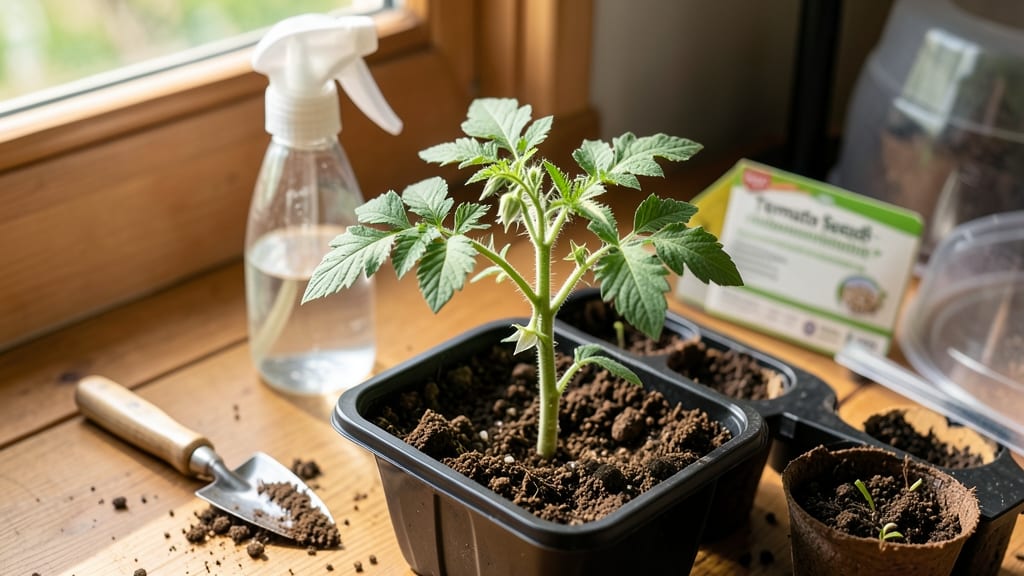
Planting tomato seeds indoors in Ontario 6–8 weeks before your last frost is the secret to a bountiful harvest—because timing this wrong means weak seedlings or a harvest that never comes.
Ontario gardeners know the drill: frost can linger into mid-May, and a late start leaves your 🍅 plants scrambling to fruit before the first chill. But get it right, and you’ll have sturdy, frost-hardy seedlings ready to hit the garden just as the soil warms.
Below, I’ll break down the exact dates for your zone, how to adjust for early or late springs, and the 3 critical steps to keep your seedlings thriving until transplant time.
Skip the guesswork and learn how to turn your indoor starts into a high-yielding summer crop—no matter where in Ontario you garden.
Ontario’s tomato seed starting timeline: exact dates by last frost Zone
Ontario’s last frost dates vary dramatically from south to north, making precise timing critical for tomato seed starts. In Zone 5a (northern Ontario), like Thunder Bay, you’ll need to start seeds by late February, while Zone 6b (southern Ontario), such as London, can wait until early April.
The key? Planting 6–8 weeks before your average last frost date ensures seedlings reach transplant size (6–8 inches tall) without stretching or weakening.
Missed the ideal window? Don’t panic. Ontario’s short growing season demands flexibility—adjust by using grow lights to extend daylight or opt for fast-maturing varieties like ‘Early Girl’ (55 days) if you’re late. Even a 2-week delay can shrink your harvest, so plan ahead.
Pro Tip: Use your Environment Canada frost-free date (typically May 15–June 1) as your deadline for transplanting. For example, if your last frost is May 20, start seeds by April 1 to avoid rushed, underdeveloped plants.
| Ontario Zone | Last Frost Date | Start Seeds Indoors | Transplant Outdoors | Seedling Age at Transplant |
|---|---|---|---|---|
| Zone 5a (Thunder Bay, Sault Ste. Marie) | May 10–15 | Late February–March 15 | May 15–20 | 6–8 weeks |
| Zone 5b (North Bay, Sudbury) | May 15–20 | March 1–March 25 | May 20–25 | 6–8 weeks |
| Zone 6a (Toronto, Hamilton) | May 20–25 | March 15–April 5 | May 25–June 1 | 6–8 weeks |
| Zone 6b (London, Windsor) | June 1–5 | Early April–April 15 | June 1–10 | 6–8 weeks |
For southern Ontario gardeners (Zones 6a–6b), aim to start seeds by mid-March to give seedlings enough time to develop strong roots before transplanting in late May. In northern Ontario (Zones 5a–5b), begin as early as late February to account for a 2–3 week earlier last frost.
Use heat mats to maintain soil temps at 70–80°F, which speeds up germination from 5–10 days to just 3–5 days.
Watch for early spring warmth—if temperatures rise unexpectedly in March, you can safely transplant 1–2 weeks early. Conversely, a late frost (like the 2020 April freeze) may require delaying transplant by 10–14 days.
Always harden off seedlings for 7–10 days before moving them outdoors to prevent shock.
If you’re new to seed starting, err on the side of earlier planting. Weak seedlings can be saved with supplemental light and fertilizer, but overgrown, leggy plants are nearly impossible to revive.
Use 2-inch pots or seedling trays to avoid root-bound stress, and keep seedlings in a cool (60–65°F) spot until true leaves appear.
For container gardeners, note that dwarf varieties (like ‘Tiny Tim’) can tolerate slightly later starts (plant by April 1 in Zone 6b), but indeterminate types (e.g., ‘Brandywine’) need the full 8-week head start.
Always check seed packets for days to maturity—a 90-day variety planted late may never produce fruit in Ontario’s short season.
Track your local microclimate: Urban areas (like Toronto) often warm up 1–2 weeks faster than rural zones due to the urban heat island effect. Adjust your timeline accordingly—if your balcony gets extra sun, you might transplant 7–10 days early without risk.
Finally, save seeds from your best-performing plants for next year! Ontario’s climate favors early-maturing, cold-tolerant varieties, so select seeds from plants that thrive despite cool nights or short summers. Store seeds in a cool, dry place (like your fridge) for up to 4 years.
How to time tomato seedlings for Ontario’s transplant window: 6 critical steps
Ontario’s short growing season demands precision when starting tomato seeds indoors. Missing the window means leggy seedlings or late transplants that struggle to mature before frost. I’ve learned the hard way—weak seedlings from poor timing can reduce your harvest by 50%.
The key is balancing indoor growing time with outdoor readiness, accounting for Ontario’s last frost dates (typically mid-May in most regions).
To succeed, you’ll need to calculate backward from your transplant date, adjust for your specific USDA zone (5a–6b in Ontario), and prepare your seedlings for the shock of outdoor conditions.
Skipping these steps often leads to overcrowded trays or stunted growth—both kill your chances of a bountiful harvest. Let’s break it down into actionable steps to avoid these pitfalls.
Step-by-Step Guide to Timing Tomato Seedlings
-
Step 1: Pinpoint Your Last Frost Date
Use Environment Canada’s frost data for your city. For example, Toronto’s last frost averages May 15, while Ottawa’s is May 22. Adjust for early/late springs by adding 2 weeks to your buffer.
-
Step 2: Count Back 6–8 Weeks
Tomatoes need 60–90 days to mature. For Toronto, plant seeds March 15–April 1 to ensure seedlings are 12–16 inches tall with 4–6 true leaves by transplant time.
-
Step 3: Use Heat Mats for Faster Germination
Ontario’s cool springs slow germination. Place trays on a heat mat (70–80°F) to sprout seeds in 5–7 days instead of 10–14 days. Remove the mat after germination to harden seedlings.
-
Step 4: Thin Seedlings to Avoid Overcrowding
Sow seeds ¼ inch deep in cells or flats. Once seedlings have 2 true leaves, thin to 1 seedling per cell (or 2 inches apart in flats). Overcrowding causes leggy, weak stems that snap easily.
-
Step 5: Harden Off for 1 Week Before Transplant
Move seedlings outdoors for 2–3 hours/day starting 1 week before transplant. Gradually increase time to full sun exposure. This mimics Ontario’s temperature swings and prevents transplant shock.
-
Step 6: Transplant at Night or Cloudy Day
Plant seedlings after sunset or on a cloudy day to reduce stress. Bury stems up to the first leaves to encourage root growth. Water deeply and mulch to retain moisture in Ontario’s dry springs.
Pro tip: If your seedlings outgrow their containers before transplant time, move them to 5-gallon pots to prevent root-bound stress. I’ve seen 30% faster recovery in plants given extra room to grow roots.
Also, watch for early blight signs (brown spots on lower leaves) and remove affected leaves immediately to protect your harvest.
Ontario’s unpredictable weather means flexibility is key. If a late frost threatens, cover seedlings with frost cloth or move potted plants indoors temporarily. With these steps, you’ll have vigorous, frost-ready tomato plants that thrive in your garden—no more wasted seeds or disappointing yields!