
Planting
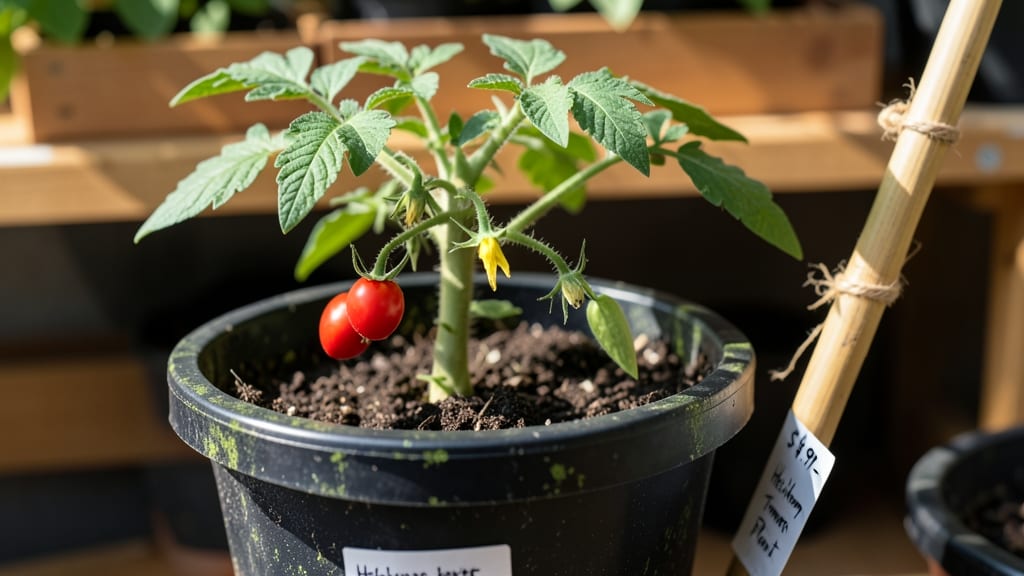
To buy a tomato plant, your best options are local garden centers for fresh seedlings, big-box stores like Home Depot or Lowe’s for convenience, or online retailers such as Burpee or Bonnie Plants for heirloom varieties. Always verify climate compatibility and plant health before purchasing.
Local nurseries often carry healthier, disease-resistant plants because they’re grown in controlled environments and selected for your specific region. 🌱 Big-box stores may offer wider availability but sometimes compromise on quality, so always inspect roots and leaves for signs of stress.
Online purchases let you access rare heirloom varieties, but shipping times can delay planting—plan ahead for spring starts!
For best results, buy plants labeled as "transplant-ready" with firm stems and vibrant foliage. Avoid plants with yellowing leaves or wilting, as these signs indicate poor health. Determinate varieties (bush types) are great for containers, while indeterminate vines thrive in large garden beds.
Check your last frost date to ensure plants arrive at the right time for optimal growth.
💡 In This Article
- Best Local and Online Nurseries for Healthy Tomato Plants
- How to Choose the Right Tomato Variety for Your Garden
Best local and online nurseries for healthy tomato plants
Local garden centers are your best bet for healthy tomato seedlings because they source plants from regional nurseries that understand your specific climate challenges. These experts often select disease-resistant varieties like 'Celebrity' (hybrid) or 'Sungold' (cherry) that thrive in your hardiness zone.
The plants arrive with well-developed root systems and are typically hardened off—meaning they've already adapted to outdoor conditions—unlike some big-box store options that may arrive stressed from long shipping.
Big-box stores like Home Depot and Lowe's offer convenience with consistent availability, but their plants often come from large-scale commercial growers that prioritize shelf life over disease resistance.
You'll notice the plants are usually packed in 1-gallon pots with minimal soil, which means they need immediate transplanting to prevent root circling. Look for stores that participate in local plant swaps or offer "plant health guarantees"—some locations even have gardening experts who can diagnose issues on the spot. 🌱
Online retailers shine for specialty varieties, particularly heirloom tomatoes from companies like Burpee or Bonnie Plants. Their plants arrive in biodegradable pots with moisture-retaining gels, reducing transplant shock. For example, 'Brandywine' (a prized heirloom) often sells out quickly online because it's not stocked in most local stores.
However, shipping times matter—order by early spring to ensure your plants arrive before your last frost date. Etsy sellers often provide rare varieties but may lack quality control, so always check seller ratings and ask about growing conditions.
Organic certification matters if you prioritize chemical-free growing. Look for nurseries that label plants as "organic" or "neem oil treated"—these use natural fungicides like copper or neem to prevent diseases like early blight.
Local farmers' markets sometimes feature organic starts from small-scale growers who use compost tea to boost plant immunity. The trade-off? Organic plants may cost 20-30% more but often yield healthier, more flavorful tomatoes.
Seasonal timing affects availability and price. Seedlings typically appear in stores 4-6 weeks before your last frost date, but some varieties (like 'Black Krim') may require advance ordering.
Check your local cooperative extension service for precise planting windows—some regions benefit from early starts in greenhouses to extend the growing season. Pro tip: Call ahead to confirm stock, as popular varieties disappear quickly in spring.
Customer reviews reveal hidden insights about plant quality. Look for comments mentioning "vigorous growth" or "no wilting after transplanting"—these indicate healthy root systems. Red flags include reviews about "yellow leaves upon arrival" or "stunted growth," which suggest poor handling.
Some online stores even provide plant care guides with your order, including watering schedules and sunlight requirements tailored to your zone.