
Plants
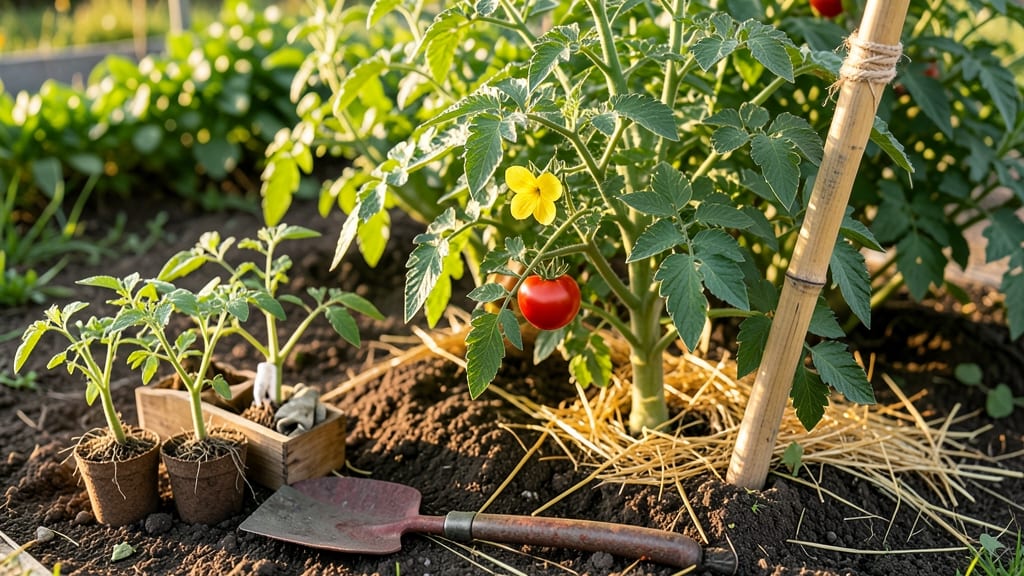
Planting tomato plants in the right spot is the difference between a handful of sad, undersized fruits and a bountiful harvest that feeds you all summer.
Picture this: your 🍅 seedlings wilt in the afternoon heat because they’re planted too close to the fence, or your prized heirloom variety never sets fruit because the soil is too dense. Those mistakes aren’t just frustrating—they’re avoidable with the right placement.
Sunlight, soil, and spacing aren’t just details; they’re the foundation of a thriving tomato garden. Too little sun and your plants stretch weak; too much heat without shade can scorch them.
The wrong soil? Roots suffocate or dry out before they can feed your vines. And spacing? Crowd them, and diseases spread like wildfire.
In this guide, I’ll walk you through the exact conditions your tomatoes need—from the sunniest corner of your yard to the best containers for small spaces—and how to troubleshoot when things go wrong. No more guesswork, just big, juicy results.

Optimal sunlight and location requirements for tomato plants
Tomatoes are sun-worshippers, and 6-8+ hours of direct sunlight daily is non-negotiable for a bountiful harvest. Without enough light, your plants will produce small, pale fruits or even skip flowering entirely.
The best locations maximize sun exposure while accounting for your garden’s unique microclimate—like the extra heat bouncing off nearby pavement in urban areas.
In most climates, a south-facing garden bed is ideal because it captures sunlight from morning to afternoon.
If your yard is shaded by trees or buildings, prioritize spots that get at least 6 hours of sun, even if it means sacrificing a few inches of soil depth for raised beds or containers.
Urban gardeners can also use reflective surfaces like light-colored walls to bounce extra sunlight onto tomato plants.
Here’s a quick reference for where to plant tomatoes based on your garden setup:
| Location Type | Sunlight Needs | Best For | Notes |
|---|---|---|---|
| South-facing garden bed | 8+ hours | Indeterminate varieties | Maximize space for vining plants |
| Raised beds | 6-8 hours | Poor soil or urban areas | Control drainage and warmth |
| Containers (5+ gallon pots) | 6-8 hours | Balconies, patios | Use light-colored pots to reflect heat |
| Against south-facing walls | 6 hours | Small spaces | Wall absorbs and reflects heat |
| Partial shade (west-facing) | 4-6 hours | Cherry tomatoes only | Avoid determinate varieties |
If your garden only gets partial sun, choose compact or cherry tomato varieties like 'Tiny Tim' or 'Sweet 100,' which tolerate slightly less light. These varieties can thrive with 4-6 hours of sun, though fruit size and yield will be smaller.
For larger slicing tomatoes, supplement with grow lights (12-14 hours/day) if natural light falls short.
Microclimates play a huge role in tomato success. For example, pavement or dark mulch can create a heat island effect, raising soil temperatures by 10°F or more. Use light-colored mulch or shade cloth to protect plants from scorching in these hot spots.
Conversely, windy areas may need windbreaks to prevent stress, while containers on patios can dry out faster—so monitor soil moisture closely.
Pro tip: Rotate your tomato plants every few weeks if possible to ensure even sun exposure. This is especially useful in container gardens where plants can grow lopsided toward the light. A simple weekly turn keeps them balanced and boosts fruit production across the entire plant.
For urban gardeners, south-facing rooftops or decks are goldmines for tomato growth. Just ensure your containers have drainage holes and use self-watering systems to prevent drought stress. If your balcony only gets afternoon sun, prioritize heat-tolerant varieties like 'Solar Fire' or 'Heatmaster,' which handle the intense light better.
Remember, more sun doesn’t always mean better. In desert climates, afternoon shade can prevent sunscald on fruits. Use shade cloth (30-50%) during peak summer hours if your tomatoes are struggling with heat stress. The goal is consistent, balanced sunlight—not scorching or starvation.
🌱
Soil conditions and spacing: the hidden factors for healthier tomato growth
Tomatoes thrive when planted in the right soil and with proper spacing, but many gardeners overlook these critical factors. The difference between a bountiful harvest and a struggling plant often comes down to soil pH, drainage, and how much room your tomatoes have to spread.
Let’s dig into what your tomato plants truly need to flourish.
First, focus on soil pH. Tomatoes prefer a slightly acidic to neutral range of 6.0–6.8. If your soil is too alkaline or acidic, nutrients like nitrogen, phosphorus, and potassium become less available, stunting growth.
Test your soil before planting—most garden centers sell affordable kits. If adjustments are needed, add sulfur to lower pH or lime to raise it.
Next, drainage is non-negotiable. Tomatoes hate soggy roots, which can lead to blossom end rot or fungal diseases. Amend heavy clay soil with compost or sand to improve aeration.
Raised beds are a great solution if your native soil drains poorly. Always plant in areas where water pools don’t linger after rain.
Now, let’s talk organic matter. Tomatoes love rich, fertile soil packed with compost or well-rotted manure. Mix in a 2–3 inch layer of compost into the top 12 inches of soil before planting.
This boosts microbial activity, improves water retention, and provides a steady supply of nutrients. Avoid fresh manure, as it can burn young plants.
Where to Plant Tomato Plants: Soil and Spacing Guide
Pros of Ideal Conditions
- Healthier roots: Well-draining soil prevents rot
- Bigger yields: Proper spacing reduces competition
- Fewer pests: Strong plants attract fewer diseases
- Easier maintenance: Less pruning needed for spaced plants
Cons of Poor Conditions
- Stunted growth: Compact roots limit nutrient uptake
- Lower yields: Overcrowding reduces fruit production
- Disease risk: Poor drainage causes fungal infections
- Weak stems: Overly tall plants may need staking
Spacing Guidelines
| Variety | Spacing (inches) | Notes |
|---|---|---|
| Determinate (bush) | 18–24 inches apart | Compact, good for containers |
| Indeterminate (vining) | 24–36 inches apart | Needs trellis support |
Spacing is just as important as soil. Determinate tomatoes (bush types) need 18–24 inches between plants, while indeterminate varieties (vining types) require 24–36 inches to prevent overcrowding. If you’re growing in rows, leave 3 feet between rows for easy access and airflow.
Overcrowding leads to poor air circulation, increasing the risk of blight and mold.
Avoid planting tomatoes in the same spot year after year. Crop rotation every 3–4 years reduces soil-borne diseases. If space is limited, consider container gardening with large pots (at least 18 inches deep) and well-draining potting mix. Just ensure containers have drainage holes to prevent root rot.
Finally, mulch around your tomato plants with straw or shredded leaves to retain moisture, suppress weeds, and regulate soil temperature. This simple step can increase yields by up to 30% by keeping roots cool and hydrated.
With the right soil, spacing, and care, your tomatoes will reward you with a vibrant, productive harvest all season long.