
Vegetables
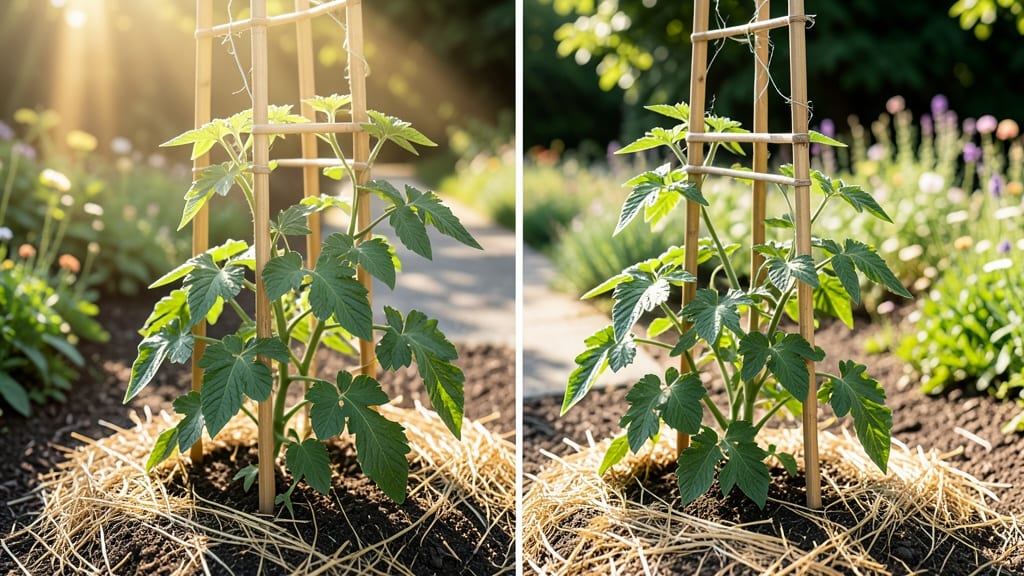
Choosing between the Amish Paste tomato and the San Marzano means picking a winner for your sauce game—but these two heavyweight tomato varieties bring very different strengths to the table. 🌱 The Amish Paste is the tough, heat-loving underdog that thrives where San Marzanos might wilt, while San Marzanos deliver that classic Italian sweetness when given ideal conditions.
I’ve grown both, and the right pick depends on your climate, space, and whether you prioritize flavor or reliability.
The Amish Paste stands tall at 6-8 feet and handles heat like a champ, making it the go-to for Southern gardeners. Its meaty, low-acid flesh is perfect for sauces, though it lacks the refined sweetness of San Marzanos.
Meanwhile, San Marzanos (the Italian darlings) need consistent warmth and sturdy cages—they’re more finicky but reward you with richer, plumper tomatoes ideal for fresh eating or premium sauces. Both need full sun and regular watering, but Amish Paste tolerates drought better.
If you’re in a hot, dry climate, Amish Paste will outperform San Marzanos every time—yielding more consistently and resisting cracking.
But if you live in a cooler region and can provide support and shade, San Marzanos will give you that unmatched depth of flavor that makes jarred sauces sing.
Neither is perfect—Amish Paste can be susceptible to blight, while San Marzanos require more babying—but both are worth growing for their unique strengths.
For sauces, try growing both—Amish Paste for bulk, San Marzano for depth. For fresh eating, San Marzano’s sweeter flesh wins, but Amish Paste’s hearty texture holds up better in long cooking.
Either way, you’ll end up with tomatoes that taste like summer in a jar—just pick the one that fits your garden’s personality.
The first product explained
Meet the Amish Paste Tomato—a homesteader’s dream and a chef’s secret weapon! 🍅🔥 This heirloom tomato variety is a staple in Amish communities for good reason: it’s the ultimate choice for homemade sauces, salsas, and canning. Let’s break down why this tomato steals the spotlight in any garden.
🌱 Specs & Features
- Type: Indeterminate (vining, grows 6–8 feet tall—great for trellising!)
- Days to Maturity: 85–90 days (fast enough for short growing seasons).
- Fruit Size: Medium to large (2–4 oz), oval-shaped with a slightly ribbed texture.
- Color: Classic deep red when ripe, with a glossy finish.
- Flavor Profile: Sweet, rich, and meaty—perfect for reducing into sauces without turning bitter.
- Heat Tolerance: Moderate (thrives in cooler climates but can handle up to 80°F).
- Disease Resistance: Moderate resistance to verticillium and fusarium wilt (but watch for early blight!).
👩🌾 Target Users
The Amish Paste Tomato is a must-have for:
- Home gardeners who love homemade tomato sauce (think marinara, ketchup, or sun-dried tomatoes!).
- Canners and preservers—its thick flesh and low water content make it ideal for paste and jelly.
- Chefs and foodies who prioritize bold, unprocessed flavor over store-bought alternatives.
- Organic growers—this heirloom variety is non-GMO and adapts well to sustainable farming.
💰 Price Point & Availability
Seeds for Amish Paste Tomatoes are widely available from:
- Seed Companies: Baker Creek Heirloom Seeds, Seed Savers Exchange, or local Amish markets (yes, they often sell seeds too!).
- Cost: Typically $2–$4 per packet (a small price for a big harvest!).
- Where to Buy: Online retailers, garden centers, or swap meets for rare heirloom varieties.
Pro Tip: 💡 For the best results, plant in full sun with well-draining soil and stake or cage vines early—this tomato loves to climb!
The second product explained
Meet the San Marzano tomato—Italy’s golden ticket to pasta perfection! 🍝✨ If you’re a home gardener or a sauce enthusiast chasing that authentic, sweet-tart flavor, this is your go-to variety. Let’s break down why this European superstar stands out.
🌱 Specs & Features
San Marzano tomatoes are plum-shaped, smooth-skinned, and 3–4 inches long, with a deep red hue when ripe. Here’s what makes them special:
- Height: Indeterminate vines (6–10 ft tall!)—perfect for trellising or cages. 🌿
- Heat tolerance: Thrives in USDA Zones 5–10, handling heat better than many heirlooms (though they prefer 70–85°F for peak flavor).
- Days to maturity: 75–90 days from transplant, with a high yield (20–30 lbs per plant!).
- Flavor profile: Low acid, ultra-sweet, and meaty—ideal for crushing, sauces, and sun-dried tomatoes.
- Disease resistance: Moderate resistance to Verticillium and Fusarium wilt (but still needs good airflow!).
🎯 Who’s It For?
San Marzano tomatoes are a chef’s dream and a gardener’s favorite for:
- Sauce lovers: The gold standard for marinara, pizza, and pasta sauces—even San Marzano DOP (Italy’s protected variety) is prized in gourmet kitchens.
- Urban gardeners: Their compact growth (when trellised) makes them great for small spaces or containers.
- Heat-zone gardeners: If you live in hot climates (Zones 8–10), they outperform many heirlooms without cracking.
- Canners & preservers: Their low seed count and thick flesh make them ideal for whole-packing.
💰 Price Point & Where to Buy
San Marzano seeds and plants cost more than average tomatoes—here’s why:
- Seeds: $3–$6 per packet (brands like Baker Creek or Seed Savers Exchange offer heirloom varieties).
- Plants: $4–$8 each (check local nurseries or Burpee for starts).
- DOP canned tomatoes: $3–$10 per can (worth it for restaurant-quality sauces!).
Pro tip: 💡 Start seeds indoors 6–8 weeks before last frost to maximize your harvest!
🌡️ Growing Tips for Success
Want juicy, flavor-packed San Marzano tomatoes? Follow these steps:
- 🌱 Soil prep: Amend with compost for well-draining, fertile soil (pH 6.0–6.8).
- 💧 Watering: Deep water 1–2x/week (avoid wetting leaves to prevent disease).
- ☀️ Sunlight: Full sun (6–8+ hours/day)—they crave heat!
- 🍅 Pruning: Remove suckers and lower leaves to improve airflow and fruit quality.
- 🍅 Harvesting: Pick when fully red and slightly soft—they don’t ripen further off the vine!
Head-to-head comparison
Ready to dive into the juicy details?
Let’s break down the Amish Paste Tomato and San Marzano side by side—because not all tomatoes are created equal! 🍅🔥 Whether you're a home gardener or a culinary enthusiast, understanding these key differences will help you pick the perfect tomato for your kitchen (or garden).
🌱 Growth Habits & Plant Structure
The first battle? How they grow. These two tomatoes couldn’t be more different in the garden!
- Amish Paste Tomato:
- 🌿 Indeterminate: This tomato keeps growing and producing fruit all season long—think non-stop harvests until the first frost! 🍅🌱
- 📏 Height: Can reach 6-8 feet tall (or taller with support), making it a towering giant in the garden. Trellises or cages are a must!
- 🌡️ Heat Tolerance: Thrives in moderate to warm climates (USDA Zones 4-10). It prefers 70-85°F but can handle brief heatwaves—just keep it watered!
- San Marzano Tomato:
- 🌿 Indeterminate: Also a heavy producer, but it matures slightly later than the Amish Paste. Patience is key!
- 📏 Height: Typically grows 5-6 feet tall, but some varieties can stretch taller. Still, it’s a bit more manageable than the Amish Paste.
- 🌡️ Heat Tolerance: Loves the heat! Originating from Italy, it’s built for warmth and excels in USDA Zones 7-10. It can handle up to 95°F with ease—perfect for Southern gardens!
Winner? If you’re in a hot, sunny climate, the San Marzano takes the crown. For cooler regions, the Amish Paste is the steadier bet.
🍅 Fruit Characteristics & Flavor Profile
Now, the real showdown: taste, texture, and how they perform in the kitchen! 🥣🍝
| Feature | Amish Paste Tomato | San Marzano Tomato |
|---|---|---|
| Shape & Size | 🍅 Plump, oval (3-4" long), slightly ribbed. Similar to a classic paste tomato but with a hearty, meaty texture. | 🍅 Tall, cylindrical (3-4" long, 1-1.5" wide). Known for its sleek, uniform shape—the gold standard for canning. |
| Color | 🟡 Deep red when ripe, but often green-shouldered (a trait shared with many heirloom tomatoes). | 🟡 Bright red with a smooth, glossy finish. Rarely has green shoulders. |
| Flesh & Juice | 💧 Low-moisture, thick walls—ideal for sauces, soups, and stews. Less watery than San Marzanos. | 💧 Juicy but balanced. The flesh is firm yet tender, with a slightly sweeter profile. |
| Flavor | 🌶️ Rich, smoky, and slightly tangy. A bold, earthy taste with low acidity—perfect for hearty dishes. | 🍯 Sweet, mild, and complex. Often described as "the best tomato for sauce" due to its balanced sweetness and acidity. |
| Seed Cavity | 🌱 Moderate seed cavity—not as hollow as some other paste tomatoes. | 🌱 Small seed cavity, making it ideal for whole-packing (like in jars of marinara!). |
Winner? For sauces and soups, the San Marzano is the uncontested champ—its sweetness and texture are legendary. But if you love a bold, smoky depth, the Amish Paste will blow you away in dishes like chili or braised meats. 🍲
🌡️ Heat & Disease Resistance
Not all tomatoes handle stress the same way. Let’s talk toughness! 🛡️🌞
- Amish Paste Tomato:
- 🌡️ Moderate heat tolerance: Prefers 70-85°F but can struggle in extreme heat (above 90°F).
- 🦠 Disease resistance: Decent but not stellar. Susceptible to early blight, late blight, and fusarium wilt. Pruning and airflow are key!
- 💡 Pro Tip: If growing in hot climates, provide shade cloth during peak afternoon sun to prevent sunscald. 🌡️
- San Marzano Tomato:
- 🌡️ High heat tolerance: Thrives in 80-95°F—perfect for Southern gardens!
- 🦠 Better disease resistance: More resistant to cracking and blight than many heirlooms. Still, staking is recommended to prevent soil-borne diseases.
- 💡 Pro Tip: In cooler climates, use black plastic mulch to speed up ripening and warm the soil. ✨
Winner? The San Marzano is the clear winner for heat lovers, while the Amish Paste needs a bit more care in extreme conditions.
💰 Availability
Which one should you choose?
So, which tomato reigns supreme in your garden or pantry? The answer depends on your priorities—whether you're a flavor purist, a home canner, or a heat-tolerant gardener. Here’s the verdict to help you decide:
🌱 For the Home Gardener:
If you’re growing tomatoes in a hot, dry climate, San Marzano is your best bet. Its heat tolerance and disease resistance make it a low-maintenance champion.
But if you’re in a cooler region or want a heirloom variety with a rustic twist, Amish Paste delivers a sweeter, more complex flavor with less fuss. Winner: San Marzano for heat lovers, Amish Paste for cooler climates and flavor seekers.
🍅 For the Canning & Cooking Enthusiast:
Both tomatoes are canning superstars, but they shine in different ways. San Marzano is the OGs of sauces—its meaty texture and mild acidity make it ideal for smooth, restaurant-quality pasta sauces. Amish Paste, however, packs a bolder, almost smoky sweetness, perfect for homemade ketchups, salsas, or hearty stews. Winner: San Marzano for classic sauces, Amish Paste for bold, homemade flavors.
📊 For the Health-Conscious Eater:
Both are nutritional powerhouses, but Amish Paste edges out slightly with its higher sugar content (natural sweetness!) and lower acidity, which some find easier on digestion. San Marzano’s lycopene-rich profile is still exceptional, especially when cooked. Winner: Tie—pick based on flavor preference!
🎯 Final Recommendation:
- Grow San Marzano if:
- You live in a hot, humid, or disease-prone area.
- You prioritize classic, smooth sauces for pasta or pizza.
- You want a reliable, high-yielding variety.
- Grow Amish Paste if:
- You’re in a cooler climate or want a shorter-season variety.
- You love bold, sweet, and slightly smoky flavors in homemade recipes.
- You prefer a heirloom, rustic tomato with character.
- Try both! If you’re lucky enough to have space, plant one of each—San Marzano for sauces and Amish Paste for salsas or roasting. Double the tomato joy!
💡 Pro Tip: If you’re buying canned tomatoes, San Marzano is the gold standard for authenticity, but Amish Paste can be a hidden gem for unique flavors. Always check labels for organic, no-salt-added options to maximize nutrition!