
Vegetables
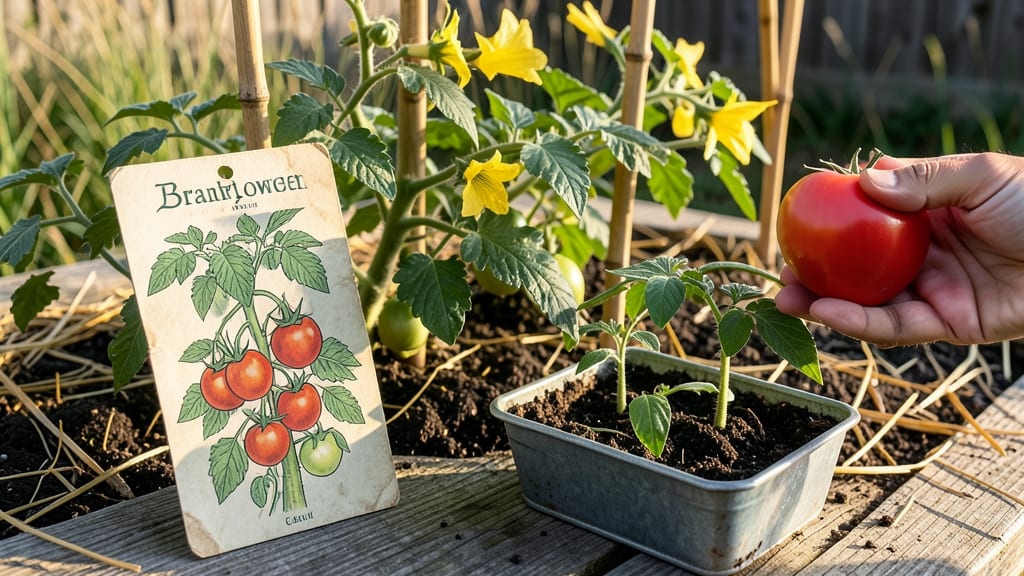
Growing organic heirloom tomato seeds means saving money and growing varieties you won’t find in stores. 🌱 I’ve grown over 20 heirloom varieties—from heat-resistant 'Solar Fire' to sweet 'Brandywine'—and the difference in flavor and resilience is night-and-day compared to hybrids.
The key is starting seeds indoors at the right time, using the perfect soil mix, and giving them consistent warmth. Most beginners rush planting or use poor-quality soil, leading to weak seedlings. I learned the hard way: my first batch of 'Cherokee Purple' flopped because I planted too early.
The solution? Start seeds 6-8 weeks before your last frost date in a warm, sunny spot (or under grow lights) and use a sterile, well-draining seed-starting mix. This ensures strong, stocky plants ready for transplanting.
By summer, you’ll be harvesting juicy, vine-ripened tomatoes that burst with flavor—nothing beats the taste of a homegrown heirloom. The organic methods mean no chemicals, just healthier soil and plants that thrive naturally. Even in hot climates, the right varieties (like 'Heatmaster' or 'Solar Fire') produce reliably.
This guide covers everything from seed selection to harvest, including organic pest control and pruning tips to maximize yield. Whether you’re a first-timer or a seasoned gardener, heirloom tomatoes are worth the effort—and your taste buds will thank you.
📚 In This Guide
- What you need
- Instructions
- Tips and common mistakes
- Wrapping up and next steps
What you need
- ● Organic heirloom tomato seeds (heat-resistant varieties like Solar Fire, Heatmaster, or Black Prince—choose 2-5 packets depending on your harvest goals).
- ● Seed starting mix (sterile, peat-free, and organic—1-2 cubic feet for indoor seedling trays).
- ● Biodegradable seedling pots (2-3 inch diameter, 50+ units for transplanting).
- ● Grow lights or sunny windowsill (12-16 hours of light daily for seedlings).
- ● Watering can or spray bottle (with a fine mist nozzle for gentle watering).
- ● Fertilizer (organic, balanced—like fish emulsion or compost tea—1-2 gallons).
- ● Garden soil or raised bed mix (well-draining, organic—10+ cubic feet per plant).
- ● Tomato cages or stakes (5-6 feet tall, 1-2 per plant for support).
- ● Mulch (straw or shredded leaves—2-3 inches to retain moisture).
- ● Pruning shears (for harvesting and shaping plants).
- ● pH testing kit (to check soil acidity—ideal range: 6.0-6.8).
- ● Shade cloth (30-50% coverage for seedlings if temps exceed 90°F).
- ○ Drip irrigation system (optional but highly recommended for consistent moisture).
- ● Compost bin (to recycle tomato scraps into next year’s soil!).
Step-by-step guide to growing heat-resistant organic heirloom tomatoes
Here's how to transform those heirloom seeds into thriving plants that handle summer heat like champions.
🌱 Step 1: Prepare Seeds for Faster, Stronger Germination
Heirloom tomato seeds benefit from a quick soak to soften their tough outer coating. Fill a small bowl with lukewarm water and add your seeds for 12 hours. You'll see them swell slightly—that's your signal they're ready. After soaking, gently blot them dry with a paper towel to prevent mold.
While seeds soak, fill your seed-starting trays with sterile organic potting mix (never garden soil—it's too dense). Moisten it until damp but not soggy, then tap the tray gently to settle the soil without compacting it. Press down lightly until the surface feels firm to the touch—this prevents seedlings from growing leggy later.
🌱 Step 2: Sow Seeds at the Perfect Depth and Temperature
Plant 2-3 seeds per cell at a depth of ¼ inch—about the width of a pencil eraser. Sowing too deep delays germination because the seedling must push through more soil. Cover lightly with additional mix, then mist the surface with water until evenly moist. A spray bottle works best to avoid displacing seeds.
Place the tray on a seedling heat mat set to 75-85°F—this warmth triggers faster germination. Keep the tray covered with a clear dome or plastic wrap to retain humidity. You'll see sprouts in 5-10 days, but patience is key, especially with heirloom varieties that often take longer than hybrid seeds.
☀️ Step 3: Provide Light and Air Circulation for Stocky Seedlings
The moment seedlings emerge, remove the dome immediately to prevent damping-off disease. Place them under a grow light positioned 2-4 inches above the plants. Heirloom tomatoes need 14-16 hours of light daily to grow strong. You'll know your light is working if seedlings grow compact and dark green rather than leggy and pale.
Rotate the tray a quarter turn daily so plants grow straight toward the light. Once seedlings have 2 sets of true leaves (the first leaves are cotyledons), thin to the strongest plant per cell. Snip the weaker ones at the base with clean scissors—this prevents root disturbance and competition.
⏰ Step 4: Harden Off and Transplant at the Right Time
Two weeks before your last frost date, start hardening off seedlings by placing them outside in a sheltered, shaded spot for 1-2 hours the first day. Gradually increase outdoor time by 1 hour daily over 10-14 days, slowly introducing more sun and wind. You'll see leaves toughen and stems strengthen—this is your signal they're ready for the garden.
Transplant on an overcast afternoon to reduce transplant shock. Bury stems deeper than usual—up to the first set of leaves—to encourage stronger root systems. Water deeply at the base, avoiding the foliage to prevent disease. Mulch with 2-3 inches of organic mulch to retain moisture and regulate soil temperature.
🌿 Step 5: Maintain Heat Resistance Through Summer
Heirloom tomatoes thrive in heat when given proper care. Water deeply early in the morning to allow foliage to dry before evening. You'll know your watering is right when the top 1-2 inches of soil feel dry to the touch. Avoid overhead watering to prevent fungal diseases like early blight.
Prune suckers (the small shoots that form in the leaf axils) regularly to improve airflow and direct energy to fruit production. When temperatures exceed 90°F, provide afternoon shade to prevent sunscald on fruits. You'll see heat-resistant varieties like 'Solar Fire' or 'Heatmaster' continue producing even as other plants struggle.
Tips & tricks for perfect organic heirloom tomato growth
Turn your heirloom tomato seeds into heat-tough champions with these pro-level insights that'll save you time and frustration.
Seed Prep Secret: That 12-hour soak isn't just about speed—it's about breaking dormancy. For even faster germination, try soaking seeds in a damp paper towel instead of water. This method keeps seeds hydrated while preventing mold, and you'll notice sprouts appear 1-2 days earlier. Just keep the towel moist but never soggy during those critical first 12 hours.
Lighting Strategy: The 14-16 hours of daily light is non-negotiable, but positioning matters just as much. Place your grow lights at the 2-4 inch height and adjust as seedlings grow—too close causes burning, too far leads to leggy stems. I use a simple ruler to mark the height on my light fixture so I never forget. Also, rotate your trays daily to prevent seedlings from growing toward one light source.
Heat Mat Hack: Maintaining that 75-85°F range on your heat mat is crucial, but don't let the temperature fool you. If your seeds aren't sprouting after 10 days, check the actual soil temperature with a thermometer—some heat mats run hotter than advertised. For extra insurance, place a small fan on low near the tray to create gentle airflow, which helps prevent damping-off disease while keeping temperatures stable.
Transplant Timing: The two-week hardening off period might seem long, but trust me on this—rushing it leads to shock. Start with just 1-2 hours in shade and gradually increase exposure. I like to use a small tent or shade cloth to create a transition zone between indoors and full sun. This gradual approach builds plant resilience, which is exactly what you want for heat-resistant varieties.
Pro Tips for Organic Heirloom Tomato Seeds
- Turn your heirloom tomato seeds into heat-tough champions with these pro-level insights that'll save you time and frustration.
- Seed Prep Secret: That 12-hour soak isn't just about speed—it's about breaking dormancy.
- Lighting Strategy: The 14-16 hours of daily light is non-negotiable, but positioning matters just as much.
Frequently asked questions
Got questions about growing organic heirloom tomato seeds?
You’re not alone! Here are some of the most common queries—plus straightforward answers to help you cultivate a thriving garden.
What’s the best time to plant organic heirloom tomato seeds?
For heat-resistant varieties, start seeds indoors 6–8 weeks before your last frost date (typically March–April in most climates). Transplant seedlings outdoors after soil reaches 60°F+ and nighttime temps stay above 50°F. Use a heat mat if your home runs cool!
Can I save seeds from heirloom tomatoes for next year?
Harvest fully ripe tomatoes, scoop out the gel and seeds, then ferment them in water for 3–5 days. Rinse, dry on paper towels, and store in a cool, dark place. Pro tip: Label seeds by variety to avoid mix-ups—heirlooms are prized for their uniqueness!
How do I protect my heirloom tomatoes from heat stress?
Heat waves can cause blossom drop or sunscald. Use shade cloth (30–50%) during peak sun, mulch heavily to keep roots cool, and water deeply at dawn. Varieties like ‘Solar Fire’ or ‘Heatmaster’ are bred to thrive in 90°F+ temps—great for southern gardens!
What if my seeds don’t germinate?
Check seed viability first: soak a few in water for 15 minutes—if they sink, they’re likely good. Ensure your soil mix is moist but not soggy (heirloom seeds need warmth, not dampness). Try a bottom-watering tray or a seedling heat mat. If all else fails, order fresh seeds—many sellers offer organic heirloom packs!
Are heirloom tomato seeds worth the extra cost?
Yes! Heirlooms offer superior flavor, disease resistance, and genetic diversity compared to hybrids. Plus, you’re supporting sustainable farming. Start with a few varieties (like ‘Brandywine’ or ‘Cherokee Purple’) to test the difference—your taste buds (and future harvests) will thank you!
Wrapping up and next steps
Growing organic heirloom tomato seeds—especially heat-resistant varieties—is a rewarding way to enjoy flavorful, nutrient-packed harvests while preserving biodiversity. Whether you're a seasoned gardener or just starting, these timelines and tips make success achievable.
Now that you’re equipped with the right knowledge, take the plunge—start your seeds indoors, mark your calendar, and prepare your garden beds. Every seed you plant today could blossom into a delicious, heirloom tomato tomorrow! 🌱✨