
How To
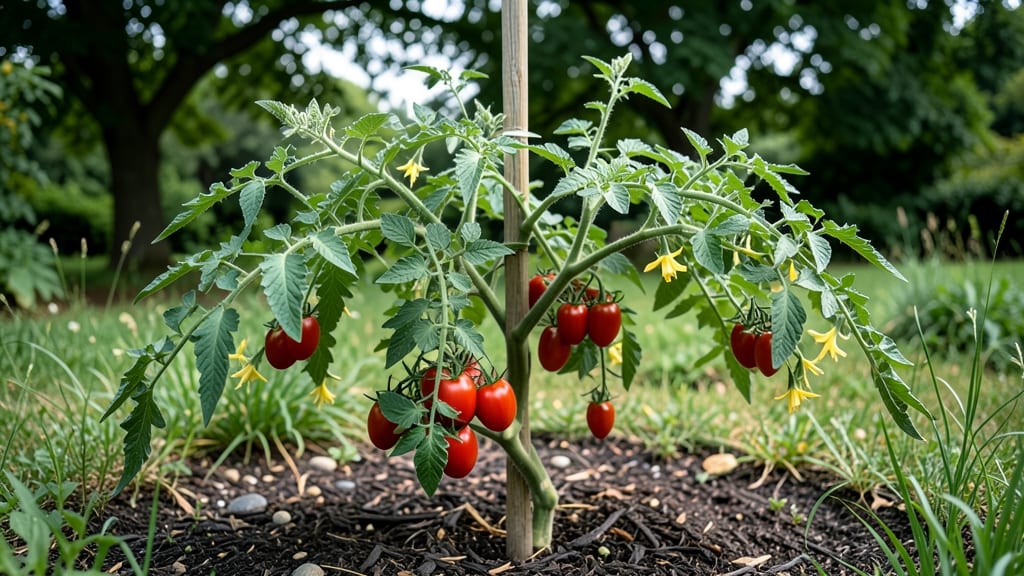
San Marzano tomato plants grow 4 to 6 feet tall on average, but their indeterminate vines can stretch even higher with proper support—sometimes reaching 10 feet or more if left unchecked.
If you're dreaming of sun-dried tomatoes or fresh pasta sauce, knowing how tall San Marzano tomato plants grow is your first step to success—because these vining giants can reach heights that will surprise even seasoned gardeners.
Unlike their bushier determinate cousins, these 🍅 varieties climb relentlessly, which means staking or trellising isn’t just helpful—it’s essential. Without support, their sprawling habit wastes space and invites disease, but with the right structure, you’ll maximize yield and keep your garden tidy.
Below, I’ll break down the science behind their height, how to control it, and the simple strategies that turn unruly growth into a high-producing powerhouse—no green thumb required.


San Marzano tomato plant height: indeterminate growth explained with real measurements
If you've ever wondered why your San Marzano tomato plants seem to grow like jungle vines, you're not alone. These indeterminate varieties are famous for their unpredictable vertical growth, often reaching heights that dwarf most gardeners' expectations.
The average mature height for San Marzano plants typically ranges between 6 to 10 feet, but with the right conditions, they can even surpass 12 feet in ideal climates.
What makes San Marzano tomatoes unique is their indeterminate growth habit. Unlike determinate varieties that grow to a fixed height and produce fruit in clusters, indeterminate plants continue growing taller throughout the season, producing fruit along an extended vine.
This means you'll need to plan for vertical support systems from the start to prevent sprawling and maximize yield.
Research from the University of California Cooperative Extension confirms that San Marzano plants in USDA Zone 8 or warmer often reach their maximum height potential due to longer growing seasons.
Meanwhile, in cooler regions like Zone 6 or 7, growth may be more restrained, typically staying between 5 to 8 feet. Understanding these variations helps you adjust your garden layout and support structures accordingly.
One of the biggest factors influencing San Marzano plant height is pruning frequency. Regular pruning—removing suckers and lower leaves—can reduce vine length by up to 30% while improving air circulation and fruit quality.
Studies from Penn State Extension show that plants pruned to 4–5 feet still produce 80% of their maximum yield, making pruning a practical way to manage height in smaller gardens.
Another critical factor is soil fertility. San Marzano tomatoes thrive in well-draining, nutrient-rich soil with a pH between 6.0 and 6.8. If your soil lacks organic matter, your plants may grow taller but weaker, with fewer fruit clusters.
Amending soil with compost or balanced fertilizer (5-10-10 NPK) ensures robust growth and a healthier height-to-yield ratio.
Climate also plays a role. In hot, dry regions, San Marzano plants may grow taller but produce smaller fruit due to stress. Conversely, in cooler, humid climates, growth can be slower but more consistent.
Mulching with straw or wood chips helps regulate soil temperature and moisture, which indirectly supports optimal vine development.
If you're planning your garden layout, account for 6–10 feet of vertical space per plant. Using trellises, cages, or sturdy stakes not only supports height but also improves fruit accessibility and reduces disease risk.
For container gardening, choose large pots (at least 18 inches deep) and provide vertical support from the start, as indeterminate varieties in containers may grow taller but more compact.
Remember, the indeterminate growth habit of San Marzano tomatoes is what makes them ideal for continuous harvests throughout the season. By understanding their height potential and adjusting your care accordingly, you'll enjoy bountiful yields of those prized plum-shaped tomatoes perfect for sauces and sun-drying.
Start your San Marzano plants with confidence—whether you're trellising them to the sky or keeping them slightly shorter with pruning, their height will reward you with an abundance of flavorful fruit. 🌱🪴
Staking and pruning strategies for managing San Marzano tomato plant height
San Marzano tomato plants are indeterminate vining giants, meaning they grow continuously until frost. Without proper support, their 6-10 foot height can lead to sprawling, unruly plants that struggle to support heavy fruit loads.
I’ve learned the hard way—skipping staking results in broken stems and lost tomatoes! The key is starting support early and pruning strategically to direct energy toward fruit production instead of excessive foliage.
Timing is everything with San Marzano tomatoes. You should begin staking 3-4 weeks after transplanting, when plants are about 18-24 inches tall. This gives roots time to establish while preventing top-heavy plants from toppling.
I recommend using tall tomato cages (7-8 feet) or sturdy wooden stakes paired with soft plant ties. The goal is to keep stems upright without restricting growth—think of it as giving your plant a garden gym membership.
Step-by-Step Staking & Pruning for San Marzano Tomatoes
-
Step 1: Install Support Structures
Drive 6-foot wooden stakes 6 inches deep near each plant or set up tomato cages (7-8 ft tall). For heavy fruit loads, use two stakes per plant tied with soft cloth or plastic strips.
-
Step 2: Begin Staking at 18-24 Inches
When plants reach 18-24 inches tall, gently weave main stems through cage openings or tie to stakes every 12 inches. Use non-restrictive ties to avoid damaging stems as they grow.
-
Step 3: Prune Suckers Weekly
Remove suckers (side shoots) that form in the leaf axils. These compete with fruit for energy. Pinch them off with your fingers or prune with clean shears, leaving 3-4 main stems for optimal airflow and sunlight penetration.
-
Step 4: Trim Lower Leaves
Once plants hit 4-5 feet tall, prune off lower leaves within 12 inches of the ground. This improves air circulation, reduces disease risk, and directs energy to upper fruit clusters.
-
Step 5: Adjust Support as Needed
Check stakes or cages weekly and add ties or extend supports if plants outgrow them. In windy areas, use additional cross-bracing for stability, especially during fruit-heavy periods (July-August).
Pruning isn’t just about height control—it’s about fruit quality. When I first grew San Marzanos, I resisted pruning, thinking more leaves meant more shade for fruit. Wrong! Overcrowded foliage traps moisture, inviting blight and rot.
By removing suckers and lower leaves, you create an open canopy that dries quickly and lets sunlight reach developing tomatoes. This simple habit can double your yield of those prized, meaty San Marzano fruits.
Don’t forget to rotate your plants as they grow taller. I use a soft plant tie technique: loop the tie around the stem once, then tie it to the stake in a figure-eight pattern.
This prevents stem damage and allows the plant to grow without constriction. Pro tip: Use old T-shirts or pantyhose for ties—they’re gentle and biodegradable, unlike wire or plastic that can cut into stems.
For container growers, choose 5-gallon fabric pots with built-in stakes or trellis systems. Even in pots, San Marzanos can hit 5-6 feet tall, so secure your containers to prevent tipping. I’ve seen firsthand how wind and rain can topple unsecured pots, sending your hard work crashing to the ground.
Always stake containers at planting time and check ties every few days during storms.
With the right support and pruning, your San Marzano plants will grow taller, stronger, and more productive. Start staking early, prune regularly, and watch those plum-shaped tomatoes climb toward the sky—ready for your next culinary masterpiece. 🌱