
How To
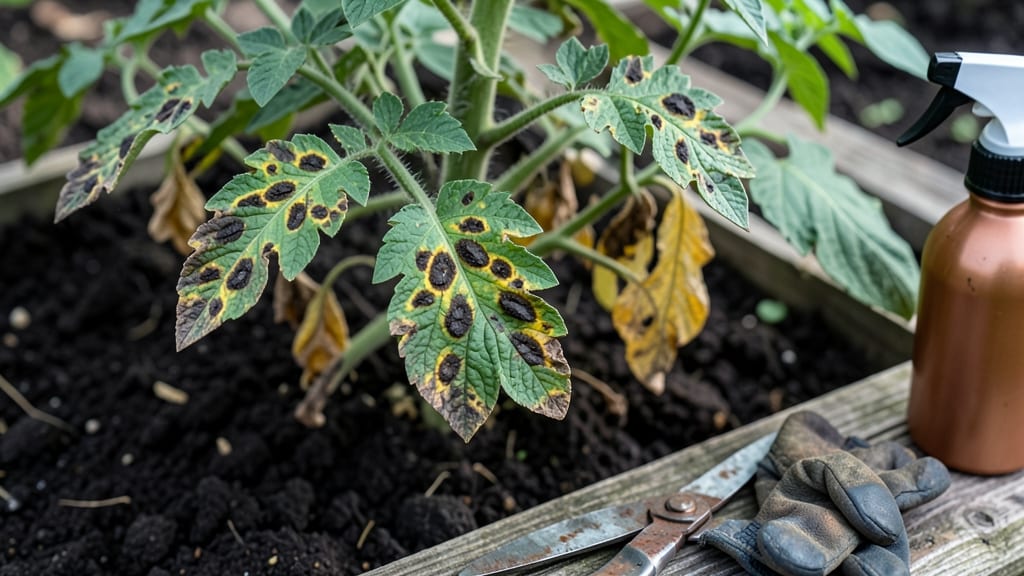
Your tomato plants' leaves are turning brown and crispy—this is anthracnose, and it's more common than you think. 🌱 I've battled this fungal disease for years, and I've learned the three key steps that turn struggling vines back into productive, healthy plants.
The good news? You can rescue your tomatoes with simple, effective methods that work even on severely infected plants.
Anthracnose thrives in warm, wet conditions, which is why it often strikes during summer downpours or when plants are overcrowded. The first signs are small, dark spots on lower leaves that spread upward if left unchecked.
Most gardeners panic and prune too aggressively, but the real solution lies in targeted pruning, proper spacing, and—most importantly—preventing spores from splashing onto healthy foliage.
By the end of these steps, your tomatoes will be putting energy into fruit instead of fighting disease. You'll see new, vibrant growth within 2-3 weeks if you act quickly, and your harvest will be bigger and healthier than ever.
The key is consistency—this isn't a one-time fix, but a long-term strategy for keeping your plants thriving.
Works for both garden beds and containers, and the methods adapt to organic or conventional approaches. Here's how to stop the spread and get your vines back on track—permanently.
The Hidden Triggers Behind Leaf Spots
Understanding why your tomato leaves develop unsightly dark spots—often a sign of anthracnose—starts with uncovering the sneaky culprits lurking in your garden. This fungal disease doesn’t strike randomly; it thrives when specific conditions align like a perfect storm.
Let’s break down the real reasons your plants are under attack, so you can outsmart the fungus before it spreads.
Anthracnose (Colletotrichum spp.) loves moisture, and your tomato plants become sitting ducks when humidity or rain lingers. Here’s why:
- Spores Need Water to Activate: The fungus produces microscopic spores that splash onto leaves during rain or watering. These spores germinate (wake up and grow) only when surfaces stay wet for longer than 6–12 hours.
That’s why you’ll often see outbreaks after prolonged damp periods. - Stagnant Air = Fungal Buffet: High humidity (above 80%) creates a greenhouse effect on leaves, trapping moisture and slowing evaporation.
This gives spores the perfect environment to colonize wounds or healthy tissue. - Overhead Watering = Disease Delivery System: If you water from above (especially late in the day), you’re essentially launching spores like a cannon onto leaves.
Drip irrigation or soaker hoses keep foliage dry and reduce splash risk.
Pro Tip: 💡 If your area is prone to afternoon thunderstorms, consider removing lower leaves (where spores land first) or using row covers during rainy seasons.
Anthracnose doesn’t just target healthy leaves—it exploits weaknesses. Common injuries create entry points for the fungus:
- Physical Damage: Hail, strong winds, or even rough handling (like harvesting tomatoes too aggressively) can tear leaves, creating open wounds.
These wounds act like doorways for spores. - Insect Bites: Pests like hornworms, aphids, or spider mites chew on leaves, leaving behind saliva and frass (insect poop).
This sticky residue traps moisture, making leaves 10x more susceptible to fungal infection. - Pruning Cuts: If you prune tomatoes without sterilizing shears or using clean tools, you might accidentally introduce spores from infected plants to healthy ones.
Action Step: ✨ Always disinfect pruners with rubbing alcohol (70% or higher) between cuts, and avoid pruning when leaves are wet.
Fungi like anthracnose don’t just need moisture—they also thrive in specific temperature ranges. Here’s how climate and plant spacing play a role:
| Factor | Why It Matters | Optimal Conditions for Outbreaks |
|---|---|---|
| Warm, Wet Nights | Fungal growth peaks at 77–86°F (25–30°C) during the day but slows at night. However, if nights stay warm and humid, spores linger longer on leaves. | >75°F (24°C) + high humidity overnight |
| Poor Airflow | Crowded tomato plants or dense foliage traps moisture and blocks sunlight, creating shady, damp pockets where fungus spreads unseen. | <2 feet between plants in humid climates |
| Sudden Temperature Drops | Anthracnose can dormant in soil during cold snaps but reactivates when warm, wet conditions return. | Spring/fall transitions (e.g., 50°F → 75°F) |
Garden Hack: 🌿 Space plants 18–24 inches apart and stake or cage vines to improve airflow. If your garden is shady, prune lower leaves to let sunlight hit the soil, reducing humidity at ground level.
Fungal spores survive for years in infected plant debris or contaminated soil. Here’s how old problems become new ones:
- Infected Plant Remnants: If you composted or tilled in last year’s diseased tomato leaves or stems, spores overwinter in the soil, ready to reinfect new plants.
- Weeds as Fungal Highways: Weeds like nightshade or black nightshade (which tomatoes are related to) can host anthracnose spores and spread them to your crops.
- Contaminated Tools or Compost: Using unsterilized tools (like shovels or gloves) or homemade compost with infected material can directly transfer spores to healthy plants.
Cleanup Checklist: 🧹
- Remove all tomato debris (including roots) from the garden before the first frost.
- Solarize soil (cover with clear plastic for 4–6 weeks in summer) to kill spores.
- Avoid planting tomatoes in the same spot for 3–4 years to break the fungal cycle.
Fixing Fungal Frenzy on Tomato Plants
Now that you know the culprits behind those unsightly brown spots on your tomato leaves, let’s roll up our sleeves and tackle anthracnose head-on. The good news? With the right approach, you can save your plants and even prevent future outbreaks.
Below are practical, step-by-step solutions tailored to the most common causes—plus pro tips to keep your tomatoes thriving.
Anthracnose thrives in soggy conditions, so if your soil stays damp for too long, it’s time to adjust your watering habits.
🔥 Fix It:
- 💧 Water Less, Water Smarter: Water your tomato plants early in the morning (before 10 AM) to give leaves time to dry. Avoid overhead watering—use a drip irrigation system or soaker hose to deliver water directly to the soil.
- 🏗️ Improve Drainage: Amend heavy or compacted soil with compost or perlite to help water drain faster. If planting in containers, ensure pots have drainage holes and elevate them slightly.
- 🌡️ Space Plants for Airflow: Crowded plants trap moisture. Prune suckers and space vines 18–24 inches apart to encourage airflow.
💡 Pro Tip: Mulch with straw or wood chips (not plastic) to keep soil moist without creating a damp leaf environment.
Tomatoes love sunlight and airflow. If your garden is shady or overly humid, anthracnose will take advantage.
🍳 Fix It:
- ☀️ Move to Full Sun: Place tomato plants in a spot with 6–8 hours of direct sunlight daily. If shade is unavoidable, opt for determinate varieties (like 'Roma' or 'Cherry'), which handle humidity better.
- 🌬️ Increase Air Circulation: Use a small fan on low setting near plants (especially in greenhouses) to mimic a gentle breeze. Prune lower leaves to reduce humidity near the soil.
- 🏡 Greenhouse Hack: If growing indoors, open vents daily and avoid misting leaves. Use a dehumidifier if humidity exceeds 70%.
✨ Pro Tip: Morning sunlight + afternoon shade (via a shade cloth) can help in hot climates while still promoting airflow.
Splashing water or physical damage (like hail or rough handling) creates entry points for the fungus.
👨🍳 Fix It:
- 🛡️ Shield Leaves from Splash: Install row covers or plastic shields over plants during heavy rain. If using a sprinkler, aim it at the base of the plant, not the foliage.
- 🔪 Prune Infected Areas: Snip off yellowing or spotted leaves with sterilized pruners (wipe with rubbing alcohol between cuts). Dispose of infected debris in the trash (not compost).
- 🧴 Apply Protective Fungicides: Use copper-based sprays (like Cupric Hydroxide) or neem oil (mix 1 tbsp neem oil + 1 tsp mild soap per quart of water) every 7–10 days as a preventative. For organic growers, baking soda spray (1 tsp baking soda + 1 quart water + a drop of soap) works too.
🎯 Pro Tip: Preventative sprays (even on healthy plants) can stop anthracnose before it starts—especially during humid or rainy seasons.
If anthracnose keeps returning, your soil may be harboring fungal spores. Break the cycle with smart gardening.
🔪 Fix It:
- 🌿 Rotate Plant Families: Avoid planting tomatoes (or potatoes/peppers) in the same spot for 3+ years. Instead, rotate with beans, corn, or brassicas (like kale).
- 🌡️ Solarize the Soil: In warm climates, cover infested soil with clear plastic for 4–6 weeks to bake out fungal spores. The sun’s heat will kill pathogens.
- 🍄 Boost Beneficial Microbes: Add compost tea or mycorrhizal fungi to soil to outcompete harmful pathogens.
💡 Pro Tip: Plant resistant varieties like 'Mountain Merit' or 'Defiant PhR'—they’re bred to fight anthracnose!
If your tomatoes are heavily spotted with lesions, act fast to save what you can.
- 🛑 Isolate the Plant: Move it away from healthy tomatoes to prevent spread.
- 🧼 Sterilize Tools: Clean pruners with bleach or alcohol before and after trimming.
- 💦 Deep Water (Once): Give the plant a deep watering to help it recover, but stop overhead watering immediately.
- 🍄 Apply Fungicide: Spray with copper fungicide or hydrogen peroxide (3%) (mix 1 part peroxide to 10 parts water) for a quick kill.
- 🌱 Monitor Daily: Watch for new growth—if the plant perks up, it may recover. If not, remove and destroy it to protect your garden.
🔥 Last Resort: If the plant is past saving, pull it and replace the soil in that area with fresh, amended mix.
Final Thought: Anthracnose is a stubborn foe, but with consistent care and prevention, you can keep your tomato plants happy and productive. Stay vigilant, and your garden will thank you with juicy, disease-free tomatoes all season long! 🍅💚
Frequently asked questions
What do anthracnose spots on tomato leaves look like?
Anthracnose starts as small, sunken, dark brown or black spots with yellow halos around them. As it progresses, these spots grow larger, turn grayish in the center, and may develop concentric rings. You'll often see them first on lower leaves but they'll spread upward if untreated.
Can I still harvest tomatoes from plants with anthracnose?
Yes, but with caution. Only pick ripe, healthy tomatoes from infected plants. Avoid touching healthy leaves or fruit when harvesting from diseased plants. Wash your hands thoroughly after handling infected vines. The fungus primarily affects leaves and stems, not mature fruit.
How often should I apply fungicide for anthracnose prevention?
For prevention, apply fungicide every 7-10 days during peak growing seasons or after heavy rains. If you're using a copper-based spray, follow label instructions carefully as overuse can harm plants. For organic options like neem oil or baking soda, reapply after 3-5 days of rain or when leaves appear wet.
Will anthracnose kill my tomato plant?
Not necessarily! While severe cases can weaken plants, anthracnose rarely kills mature tomato plants outright. The real danger is reduced yield as the plant diverts energy to fighting the disease. With proper care—pruning infected leaves, improving airflow, and using fungicides—your plant can recover and still produce fruit.
Can I use household items to treat anthracnose?
Yes! A simple baking soda spray (1 tsp baking soda + 1 quart water + a drop of soap) works as a mild fungicide. For a stronger solution, mix 1 part hydrogen peroxide (3%) with 10 parts water and spray on leaves. Both are safe for organic gardening but should be reapplied after rain. Always test on a small leaf area first.