
Plants
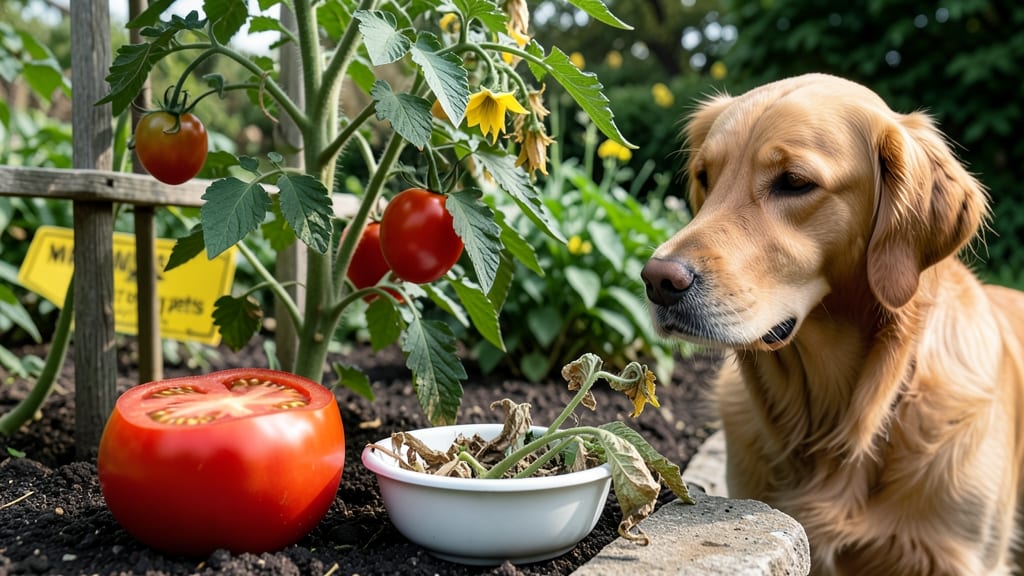
Tomato plants can be bad for dogs because their leaves, stems, and unripe fruit contain solanine and tomatine toxins that may trigger vomiting, diarrhea, or lethargy. Only fully ripe red tomatoes (in small amounts) are generally safe.
Tomato plants pose risks to dogs primarily through their green parts and unripe fruit, which contain solanine and tomatine—natural compounds that act as pesticides in the plant. 🌱 These toxins can irritate a dog's digestive system and, in severe cases, affect their nervous system, though most dogs recover with veterinary care.
What's surprising is that the ripe red fruit we eat is actually safe in moderation, thanks to significantly lower toxin levels. The key is always checking plant parts before letting your pup near them, especially during gardening or outdoor play.
If you're worried about your dog's safety around plants, consider creating a pet-friendly garden space. Many herbs like basil and rosemary are completely safe, while others like sunflowers add beauty without risk.
The most important rule is to research each plant thoroughly before introducing it to your yard or home environment.
💡 In This Article
- Toxic Components in Tomato Plants Dogs Should Avoid
- Dog-Friendly Garden Alternatives to Tomatoes
Toxic components in tomato plants dogs should avoid
Tomato plants produce two key toxins that pose risks to dogs: solanine and tomatine. These compounds act as natural pesticides, protecting the plant from insects and predators. Solanine is most concentrated in the green leaves and stems, where levels can reach 0.1-0.5 mg/g of plant material.
Tomatine, meanwhile, dominates in unripe green fruit, with concentrations up to 50 mg/g—about 100 times higher than in ripe red tomatoes. For perspective, a 10-pound dog would need to ingest roughly 0.2-0.5 mg/kg of body weight of these toxins to experience mild symptoms.
The way these toxins affect dogs reveals fascinating biology. Solanine and tomatine interfere with acetylcholine receptors in the nervous system, similar to how some nerve gases work but at much lower potency. This disruption causes muscle weakness, confusion, and gastrointestinal distress.
The green parts also contain alkaloids that irritate the stomach lining, leading to excessive drooling, vomiting, or diarrhea within 2-12 hours of ingestion. Interestingly, cooking doesn't eliminate these toxins—it only reduces their concentration by about 20-30%, making even cooked green tomatoes dangerous.
What makes this especially tricky is how dogs interact with plants. A curious pup might nibble on a fallen leaf during a yard adventure or chew on a vine while exploring.
The stems contain the highest solanine levels, while the roots can have up to 3 times more tomatine than leaves. Even small amounts—like 1-2 leaves—could trigger symptoms in small dogs. The good news?
Fully ripe red tomatoes contain 90% less tomatine than green ones, with concentrations dropping to 0.01-0.05 mg/g—safe in tiny portions (about 1-2 slices per 10 pounds of body weight).
Symptoms typically appear within 6-24 hours and may include loss of appetite, lethargy, or dilated pupils. Severe cases (rare with tomato plants alone) could involve seizures or heart rate abnormalities, though these usually require massive ingestion.
The critical factor is plant part exposure: a dog eating 10 leaves faces higher risk than one snacking on 5 ripe tomato slices. Always monitor your dog's behavior after garden time, especially if they've been near tomato plants.
Here's what happens chemically when a dog ingests these toxins: Solanine binds to acetylcholinesterase enzymes, slowing nerve signal transmission. This creates a domino effect—muscles can't contract properly, leading to weakness. Meanwhile, tomatine disrupts cell membrane integrity, causing digestive upset.
The combination explains why some dogs become wobbly-legged while others just vomit. 🌱 The key takeaway is that while ripe tomatoes are safe in moderation, every other part of the plant should be treated as potentially hazardous.
If you suspect your dog has eaten tomato plant parts, watch for these red flags: excessive licking of the mouth, whining, or hiding. Contact your vet immediately—they may recommend activated charcoal to bind toxins or supportive care.
Prevention is easier: keep tomato plants in elevated containers or use pet-safe fencing to limit access. Even better, opt for dog-friendly alternatives like basil or parsley, which offer similar flavors without risks.