
Plants
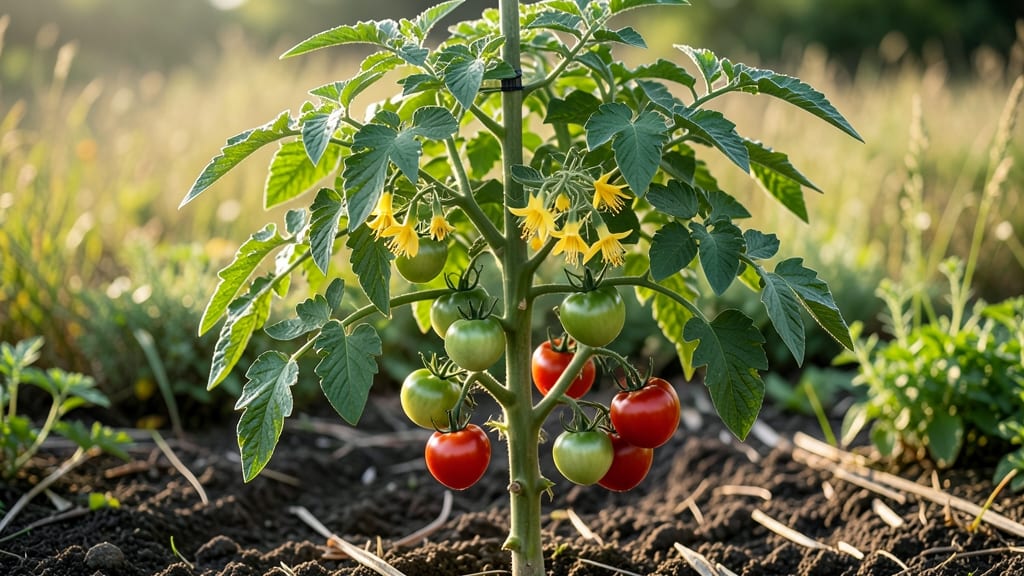
Tomato plants are toxic to dogs because their leaves, stems, and unripe fruit contain solanine and tomatine, which can trigger vomiting, diarrhea, or lethargy. Only fully ripe red tomatoes in small amounts are generally safe, but all green parts must be avoided.
These natural compounds act as a defense mechanism for the plant, and even small exposures can cause gastrointestinal upset in dogs. 🐕 The good news? The risk drops significantly once tomatoes ripen and turn red, as the solanine levels decrease dramatically.
However, curiosity often gets the better of pets, so keeping them away from the entire plant—especially during growing seasons—is crucial for their safety.
For dog owners with tomato gardens, creating physical barriers or training pets to avoid the area can prevent accidental ingestion. 🌿 Even a few bites of green tomato or a leaf can lead to discomfort, so vigilance is key.
If you suspect your dog has eaten any part of a tomato plant, contact your vet immediately for guidance.
💡 In This Article
- Toxic Compounds in Tomato Plants and Their Effects on Dogs
- Safe Gardening Practices to Protect Dogs Around Tomato Plants
Toxic compounds in tomato plants and their effects on dogs
Tomato plants produce two primary toxins: solanine and tomatine, both glycoalkaloids that serve as natural insect repellents. Solanine concentrations in leaves and stems can reach 0.01-0.05% of dry weight—enough to cause mild to moderate poisoning in dogs weighing 20-50 lbs after consuming just 0.5-1 oz of plant material.
These compounds disrupt a dog's nervous system by binding to acetylcholine receptors, which can lead to muscle weakness and coordination issues.
The ripeness of the tomato fruit dramatically alters toxicity levels. Green tomatoes contain 2-5 times more solanine than ripe red ones due to the plant's natural defense mechanism against pests.
For example, a single green tomato (about 2 oz) might contain 5-10 mg of solanine, while a ripe red tomato of the same size contains less than 1 mg. The skin and seeds also contain trace amounts, but the flesh is generally safe in moderation.
Symptoms typically appear within 6-12 hours of ingestion and include drooling, abdominal pain, and lethargy. In severe cases, dogs may experience dilated pupils, tremors, or even seizures if they consume large quantities.
The ASPCA Animal Poison Control Center reports that tomato plant ingestion accounts for 1-2% of all canine poisoning cases, but the risk is higher for small breeds due to their lower body weight.
Interestingly, the solanine content varies by tomato variety. Wild tomato species like Solanum pennellii contain up to 10 times more solanine than cultivated varieties, making them particularly dangerous. Even organic tomatoes can pose risks if the leaves or stems are ingested, as these parts contain the highest concentrations of toxins.
What makes this particularly tricky is that dogs often show no immediate reaction to small exposures. A dog might nibble on a leaf without vomiting right away, but the cumulative effect over days can lead to chronic digestive upset.
This delayed response is why pet owners should monitor their dogs closely during gardening seasons.
For comparison, the lethal dose of solanine for a 50 lb dog is estimated at 0.2-0.5 mg per pound of body weight. This means a 1 oz leaf sample could contain enough solanine to cause symptoms, while a 1 oz ripe tomato sample would likely be safe.
The key difference lies in the plant's chemical defense strategy—leaves and stems prioritize toxin production, while fruit focuses on seed dispersal.