
Planting
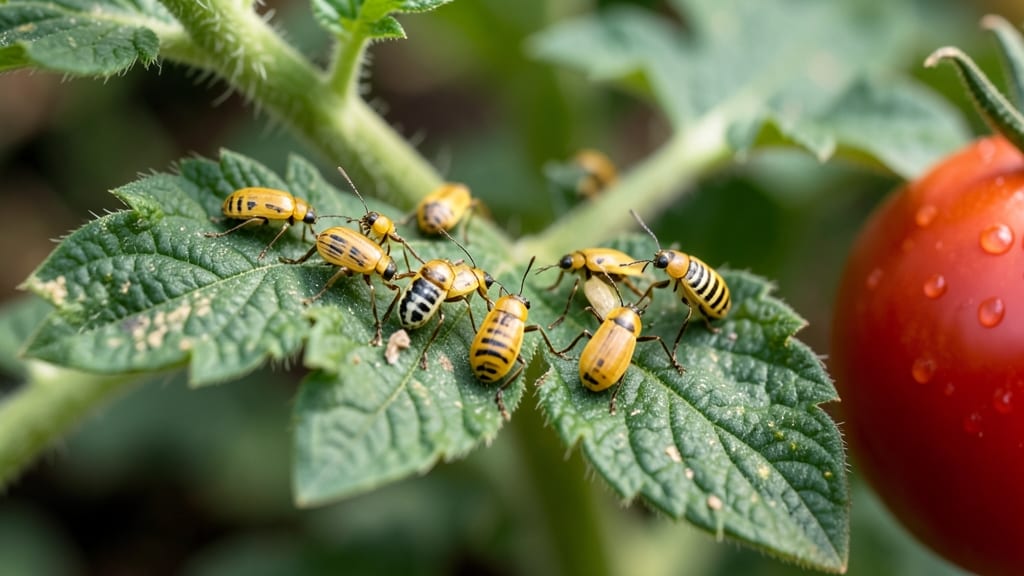
When the insects eating tomato plant leaves start munching away, it’s not just a cosmetic issue—it’s a direct hit to your harvest. 🌱 I’ve watched entire plants defoliate overnight, only to learn the hard way that early action is everything.
The good news? A simple, natural spray barrier can stop these pests before they ruin your season.
Most leaf-eaters—hornworms, aphids, and spider mites—target tomatoes because they’re soft and nutritious. The damage isn’t just unsightly; it weakens plants, reduces fruit set, and invites disease.
But instead of reaching for harsh chemicals, I’ve found that neem oil, insecticidal soap, and even homemade garlic spray work just as well—if not better—at protecting leaves without harming pollinators.
What you’ll get is a thriving tomato plant with full, green foliage and a bumper crop of juicy fruit. The key is acting fast: once holes appear, the pests have already won half the battle.
A preventive spray every 7-10 days keeps them at bay, and companion plants like basil and marigolds add an extra layer of defense.
This works for container gardens, raised beds, and in-ground plots alike—no matter how severe the infestation looks, the right approach turns the tide. Let’s get those leaves back to work.
Root Causes Of Leaf Damage
Tomato plants are a buffet for hungry insects, but understanding why they’re feasting on your leaves is the first step to stopping the damage. Here’s a breakdown of the key reasons behind this common garden pest problem—each with actionable science to help you protect your plants.
---
Tomato leaves are like a neon "Eat Me" sign for many insects because of their nutrient-rich composition. Here’s why they’re so irresistible:
- High Water Content 💧: Crisp, juicy leaves are a hydrating snack for thirsty pests like aphids and whiteflies. - Sugary Sap 🍯: Tomato plants produce phloem sap (the plant’s "blood"), which is packed with sugars—like a dessert for sap-sucking insects. - Volatile Organic Compounds (VOCs) 🧪: Tomato leaves emit chemical signals that attract pests.
For example, green leaf volatiles (GLVs) can lure in aphids and spider mites.
Why it matters: If your plants are stressed (from drought, overwatering, or poor soil), they produce even more of these attractants as a survival mechanism. 💡 Pro Tip: Keep soil consistently moist (but not soggy) to reduce stress signals.
---
In a balanced ecosystem, beneficial insects (like ladybugs, lacewings, and parasitic wasps) keep tomato-munching pests in check. But when these predators are missing, pests thrive. Common reasons:
- Monoculture Gardening 🌿: Planting only tomatoes (or too many in one area) starves natural predators of alternative prey. - Pesticide Overuse 🚫💊: Harsh chemical sprays kill both pests and their predators, creating a vacuum that pests rush to fill. - Urban or Isolated Gardens 🏙️: Fewer wild predators mean fewer checks on insect populations.
Why it matters: A lack of predators turns your tomato plants into an all-you-can-eat buffet for pests like hornworms and flea beetles. ✨ Solution: Plant companion flowers (like marigolds or dill) to attract predator insects.
---
Stressed tomato plants are weaker and more vulnerable to insect attacks. Here’s how environmental factors play a role:
| Stress Factor | How It Attracts Pests | Fix It With | |-------------------------|---------------------------------------------------|-------------------------------------| | Drought Stress 🔥 | Leaves become dry and brittle, making them easier for chewing insects (like beetles) to attack. | Deep watering 1–2x per week. | | Overwatering 💦 | Soft, mushy leaves attract fungus gnats and slugs, which then invite other pests. | Improve drainage; water at soil level. | | Poor Soil Nutrition 🌱 | Nitrogen-deficient plants produce thinner leaves, which are easier for pests to penetrate. | Add compost or balanced fertilizer. | | Extreme Heat 🌞 | Heat-stressed plants emit more VOCs, signaling pests like whiteflies. | Use shade cloth in peak summer. |
Why it matters: A stressed plant is like a weakened fortress—easy pickings for insects. 💡 Pro Tip: Mulch heavily to regulate soil temperature and retain moisture, reducing stress.
--- Not all tomato leaves are equally appealing to pests. Here’s how plant maturity affects insect activity:
- Young Seedlings 🌱: Tender new growth attracts aphids and flea beetles, which chew on soft leaves. - Flowering & Fruiting Stage 🌸: Hornworms and stink bugs target plants when they’re producing energy for fruit, making leaves more nutritious. - Overripe or Damaged Leaves 🍃: Yellowing or wilted leaves (from disease or age) become magnets for fungus-loving insects like thrips.
Why it matters: Timing matters! Pests often strike at specific growth stages, so monitor closely during seedling and flowering phases. 🎯 Action Step: Prune lower leaves (where pests often start) to remove hiding spots.
--- Sometimes, we accidentally invite the pests. Common garden mistakes that worsen the problem:
- Over-Fertilizing with Nitrogen 💥: Leads to soft, sappy growth that aphids and whiteflies love. - Ignoring Weeds 🌿: Weeds harbor alternative hosts for pests (e.g., flea beetles on nightshade weeds). - Using Plastic Mulch 🔥: Traps heat and attracts whiteflies and spider mites; opt for straw or organic mulch instead. - Not Rotating Crops 🌍: Planting tomatoes in the same spot yearly leaves behind pest eggs and diseases in the soil.
Why it matters: Bad habits = pest paradise. 🔥 Fix It: Crop rotate, pull weeds, and balance fertilizers (use a low-nitrogen, high-potassium mix for mature plants).
--- One stressed plant → more attractants → fewer predators → pest explosion. But the good news? Fixing one factor often improves others. Start with soil health, watering, and predator-friendly plants, and you’ll see a dramatic drop in leaf-munching pests in weeks. 🚀
How to solve it
H2: Quick Fixes for Chewed Tomato Leaves
When you spot insects munching on your tomato plant leaves, act fast to protect your harvest! The good news? Many solutions are simple, natural, and effective. Below, we’ve mapped the most common culprits to targeted fixes—plus prevention tips to keep your plants thriving. No harsh chemicals needed!
🐛 Caterpillars & Hornworms → Handpick & Trap
These hungry pests can devour leaves overnight. Here’s how to stop them:
- 🔥 Handpick them early: Check leaves daily (especially undersides) for green or brown caterpillars. Drop them into soapy water to kill them instantly.
- 🍳 Use a DIY trap: Place a shallow dish of beer or yeast water near plants—hornworms are attracted to it and drown.
- 👨🍳 Introduce predators: Ladybugs, parasitic wasps, and praying mantises love eating caterpillars. Buy them online or attract them with native plants like dill or fennel.
🐞 Aphids & Whiteflies → Blast & Spray
These tiny sap-suckers cluster on leaves, causing yellowing and sticky residue. Try these methods:
- 💦 Blast them off: Spray plants with a strong stream of water (early morning works best) to knock them loose. Repeat every 2–3 days.
- 🌿 Make a neem oil spray:
- Mix 1 tbsp neem oil + 1 tsp mild soap + 1 quart water in a spray bottle.
- Shake well and spray undersides of leaves at dusk (avoid direct sun).
- Reapply every 5–7 days until pests disappear.
- 🎯 Set yellow sticky traps: Hang yellow cards coated with petroleum jelly near plants to catch flying whiteflies.
🦟 Spider Mites → Wash & Strengthen
These microscopic pests thrive in dry heat, leaving fine webs and speckled leaves. Combat them with:
- 🌡️ Increase humidity: Spider mites hate moisture. Mist plants daily or place a tray of water near them.
- 🍎 Spray with a homemade miticide:
- Combine 1 tbsp vegetable oil + 1 tsp dish soap + 1 quart water.
- Spray directly on mites (they suffocate in the oil). Repeat weekly.
- 🌿 Add companion plants: Basil, marigolds, and chives repel mites naturally.
🛡️ Prevention Tips to Keep Pests Away
Stop insects before they start with these easy habits:
- 💡 Inspect new plants: Quarantine purchased tomatoes for 1–2 weeks to spot hitchhiking pests.
- 🌱 Rotate crops: Avoid planting tomatoes in the same spot yearly to disrupt pest life cycles.
- 🌿 Use row covers: Lightweight fabric barriers block flying insects while letting sunlight and water through.
- 🌙 Water at the base: Wet leaves attract pests—always water soil directly to keep foliage dry.
- 🎯 Encourage beneficial insects: Plant a "pest-control garden" with alyssum, cosmos, or nasturtiums to lure predators.
Pro Tip: 🔥 Check leaves every morning—early intervention saves your plants! If pests persist, combine methods (e.g., handpick + neem oil) for faster results.
Frequently asked questions
What are the most common insects that eat tomato leaves?
The top culprits include hornworms (large green caterpillars), aphids (tiny clusters on undersides), spider mites (tiny webs on leaves), and flea beetles (small black beetles with tiny holes). Hornworms can defoliate a plant overnight, while aphids leave sticky residue that attracts ants.
How do I know if my tomato leaves are being eaten by insects or disease?
Insect damage has irregular holes or chewed edges, while disease often shows yellowing between veins or powdery spots. Check for tiny moving pests or webs—if you see those, it's insects. Also, insect damage usually happens on new growth first, while diseases often start on older leaves.
Will removing damaged leaves help my tomato plant recover?
Yes! Pruning heavily damaged leaves (especially lower ones) helps the plant focus energy on new growth and fruit production. Just don't remove more than 20-30% of foliage at once—too much pruning can stress the plant. Always use clean scissors and remove leaves in the morning when pests are less active.
Can I use coffee grounds to protect my tomato plants?
Coffee grounds are a great natural insect repellent when used as mulch. Sprinkle them around (not directly on) the base of plants—the caffeine deters pests like slugs and ants. For extra protection, mix with crushed red pepper flakes (1:1 ratio) to create a stronger barrier. Just keep them away from stems to prevent mold.
How often should I check my tomato plants for pests?
Inspect your plants every 2-3 days during warm months, focusing on leaf undersides where many pests hide. Morning checks work best—pests are sluggish then. If you notice early signs (tiny holes, sticky residue), act immediately with neem oil or insecticidal soap before damage spreads.