
Planting
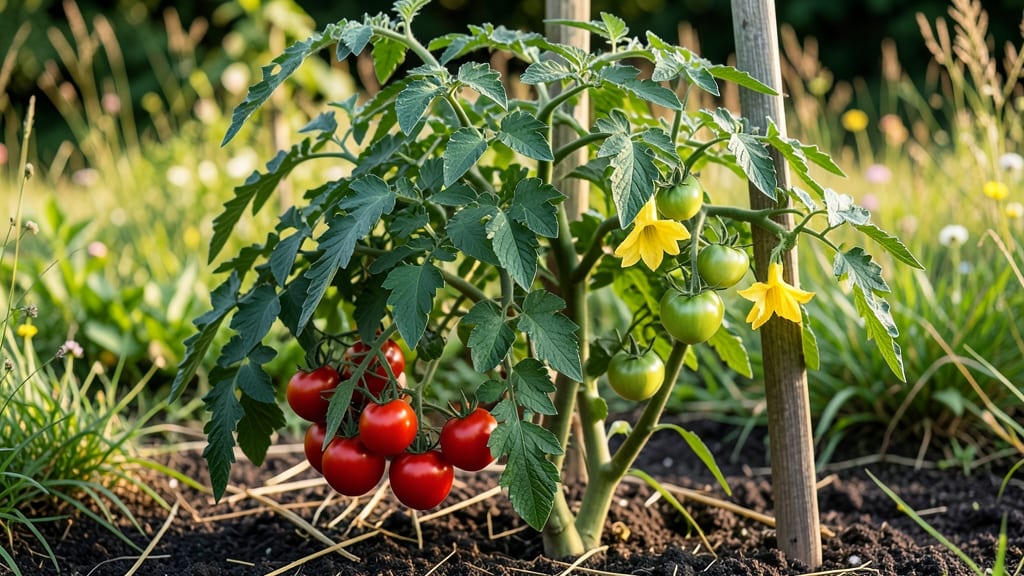
A beefsteak tomato plant size can reach 6 feet tall and spread nearly as wide, turning even the most ambitious gardeners into space planners overnight.
If you’ve ever dreamed of growing massive, juicy beefsteak tomatoes but struggled with spacing or plant size, you’re not alone—many gardeners underestimate how much room these giants need to thrive. The right spacing can mean the difference between a bumper crop and disappointed expectations.
These indeterminate varieties don’t stop growing until frost, so without proper support, they’ll sprawl like vines on a jungle gym. That’s why knowing how tall they’ll get—and how much space to give them—is the key to avoiding crowded plants, poor airflow, and a harvest that falls short of your expectations.
In this guide, I’ll break down exactly how big beefsteak tomatoes grow, the best spacing for containers or in-ground planting, and how to train them for maximum yield without sacrificing size.

How tall and wide beefsteak tomato plants grow (with stages)
Beefsteak tomato plants are famous for their huge, meaty fruits, but their growth habits can surprise even experienced gardeners. These vining plants grow taller and wider than most varieties, requiring careful planning for optimal spacing and support structures.
Understanding their growth stages helps you anticipate their needs—from compact seedlings to sprawling mature plants.
Most beefsteak varieties are indeterminate, meaning they grow continuously until frost. This means their vine length can reach 6-10 feet or more, while their height often exceeds 5-6 feet.
Determinate beefsteak types (less common) stay shorter, around 3-4 feet tall, but still produce large fruits. Knowing these differences helps you choose the right variety for your space.
| Growth Stage | Height | Spread | Vine Length | Key Notes |
|---|---|---|---|---|
| Seedling (0-2 weeks) | 2-4 inches | 1-2 inches | N/A | Compact; focus on root development. |
| Young Plant (3-6 weeks) | 6-12 inches | 4-6 inches | 1-2 feet | Begin staking if needed; prune lower leaves. |
| Vegetative Growth (6-10 weeks) | 2-3 feet | 1-2 feet | 3-5 feet | Rapid vine growth; install support early. |
| Flowering (10-14 weeks) | 3-4 feet | 2-3 feet | 5-7 feet | Prune suckers; expect heavy fruit load. |
| Mature (14+ weeks) | 5-8 feet | 3-5 feet | 8-12+ feet | Indeterminate types keep growing; harvest regularly. |
During the seedling stage, beefsteak tomatoes stay small but grow quickly. By 3-6 weeks, they’ll reach 6-12 inches tall and spread 4-6 inches. This is when you should transplant outdoors (after last frost) and begin staking or caging to support their future growth.
Skipping this step can lead to floppy vines and broken stems as they mature.
The vegetative growth stage (6-10 weeks) is when beefsteak tomatoes show their true potential. Vines can extend 3-5 feet, and the plant’s height jumps to 2-3 feet. This is also when you’ll see the first flower clusters, signaling the transition to fruiting.
Regular pruning of suckers (side shoots) helps direct energy to fruit production rather than excessive foliage.
Once flowering begins (10-14 weeks), your beefsteak tomato will enter its most demanding phase. The plant’s height reaches 3-4 feet, and its spread widens to 2-3 feet. At this point, the vine length can stretch 5-7 feet, making proper support essential.
Without it, the weight of large beefsteak fruits (often 12+ ounces each) can snap stems or cause the plant to collapse.
By maturity (14+ weeks), indeterminate beefsteak varieties become true giants. Their height can exceed 6 feet, and vines may sprawl 8-12 feet or more if left unchecked. The spread at the base can reach 3-5 feet, so spacing is critical.
Determinate types stay shorter (3-4 feet) but still need 18-24 inches of space between plants to avoid competition for nutrients and sunlight.
One common mistake is assuming all beefsteak tomatoes grow the same. Indeterminate varieties (like 'Brandywine' or 'Cherokee Purple') keep growing until frost, while determinate types (like 'Big Beef') produce all their fruit in one cycle before stopping.
This difference affects how you plan your garden layout and manage plant size. For example, indeterminate types need vertical support from day one, while determinate plants can thrive in cages or sturdier structures.
If you’re growing beefsteak tomatoes in containers, expect their size to be slightly contained but not stunted. A 5-gallon pot can support a small indeterminate plant for a season, but you’ll need to prune aggressively to limit vine length.
For in-ground planting, give indeterminate types 3-4 feet of space in all directions, while determinate varieties need 18-24 inches between plants.
Proper pruning and training can also influence your beefsteak tomato’s size. By removing suckers (the small
Best spacing for beefsteak tomatoes: avoid overcrowding mistakes
Beefsteak tomatoes are the heavyweights of the tomato world, capable of reaching 5-6 feet tall with sprawling vines that spread 3-4 feet wide. Unlike smaller varieties, these giants need ample space to avoid competition for nutrients, sunlight, and airflow—key factors that directly impact fruit size and disease resistance.
I’ve learned the hard way that cramming them too close leads to stunted growth, poor air circulation, and a higher risk of fungal diseases like blight.
Proper spacing isn’t just about giving your plants room to stretch; it’s about maximizing their potential. A single beefsteak tomato plant can produce 20-30 pounds of fruit in a season if given the right conditions.
But without adequate space, you’ll end up with smaller, less flavorful tomatoes—or worse, a plant that collapses under the weight of its own bounty. Let’s break down the ideal spacing for different growing setups to ensure your beefsteak tomatoes thrive.
Beefsteak Tomato Spacing: Pros and Cons
In-Ground Planting
- Pros: Best airflow, natural soil structure
- Cons: Requires more land, harder to control soil quality
Ideal spacing: 36-48 inches apart in all directions.
Raised Beds
- Pros: Better soil control, easier drainage
- Cons: Limited space, higher cost
Ideal spacing: 24-36 inches apart (rows 18-24 inches apart).
Containers
- Pros: Portable, great for small spaces
- Cons: Limited root space, frequent watering
Ideal container: 15+ gallons per plant, 18-24 inches apart if multiple plants.
For in-ground planting, aim for 36-48 inches between plants in all directions. This gives their vines room to sprawl without shading each other, which is critical for indeterminate varieties that keep growing all season.
If you’re growing determinate beefsteak tomatoes (which grow to a fixed size), you can reduce spacing slightly to 24-36 inches, but I still recommend the full 36-48 inches for maximum yield and fruit size.
When using raised beds, the compacted space means you’ll need to get creative. Plant beefsteak tomatoes 24-36 inches apart and space rows 18-24 inches apart to allow for easy access and airflow.
This setup works well if you’re also growing smaller companion plants like basil or lettuce around the edges. Just avoid planting anything too tall that could block sunlight from reaching your tomatoes.
If you’re growing beefsteak tomatoes in containers, choose pots that are at least 15 gallons in size. A 5-gallon bucket is too small and will stunt their growth. For multiple plants in containers, space them 18-24 inches apart.
Remember, container-grown tomatoes dry out faster, so you’ll need to water more frequently and use a moisture-retentive potting mix to keep roots happy.
One common mistake I see is overcrowding for trellising or caging. While trellises and cages save space, they don’t eliminate the need for proper spacing. Even with support, beefsteak tomatoes need at least 24 inches of space between plants to prevent vines from tangling and blocking sunlight.
If you’re using a trellis or stake, space plants 30-36 inches apart to allow for vertical growth without competition.
Finally, avoid the temptation to prune aggressively to fit more plants in a small space. Pruning is essential for managing size and improving airflow, but it shouldn’t be used as a crutch for poor spacing.
Instead, focus on proper spacing first, then prune strategically to direct energy into fruit production. With the right spacing, your beefsteak tomatoes will reward you with bountiful, flavorful harvests all season long. 🍅