
Flowers
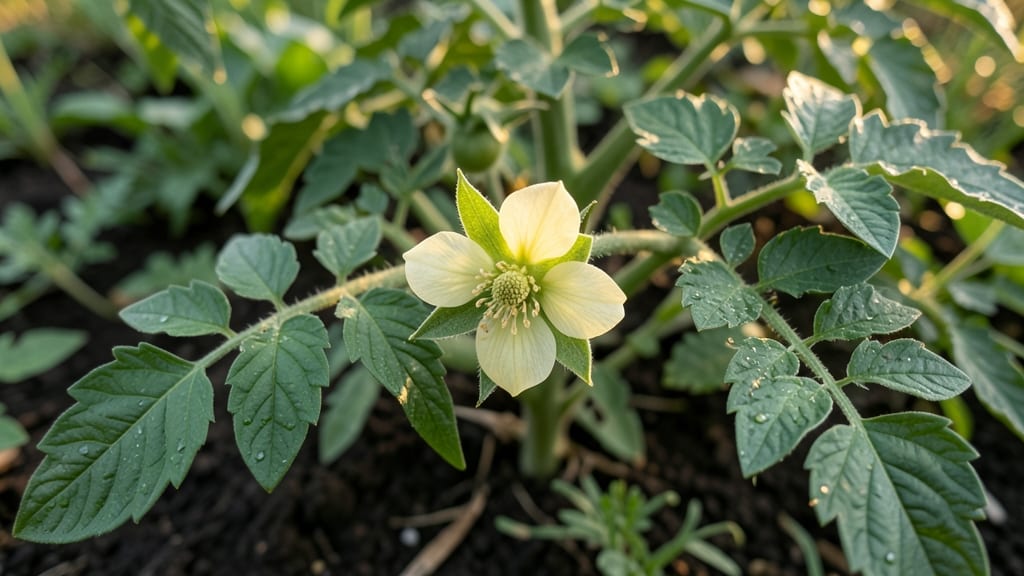
Unpollinated tomato flowers mean fewer tomatoes—unless you take action. 🌱 I’ve watched my plants drop blossoms only to see them shrivel up, and I’ve cracked the code on how to fix it before it ruins your harvest.
The problem starts with nature: wind, rain, or no bees mean pollen doesn’t transfer. Even indoors, air movement matters. But the fix is simple—hand-pollination with a cotton swab or gentle shaking works every time, and it’s faster than waiting for luck.
You’ll see fruit set within 3-5 days of proper pollination, with heavier clusters than before. No more wasted flowers, just steady growth and a full basket of tomatoes by summer’s end. Works for greenhouses, patios, or backyard gardens—just grab a swab and get to work.
Let’s turn those empty flowers into a harvest!
The Hidden Triggers Behind Empty Tomato Blooms
When your tomato plants burst into flower 🌸 but fail to produce fruit, the culprit is often unpollinated blooms. Understanding the root causes helps you take action—whether it’s adjusting care routines or tweaking growing conditions. Here’s why your tomato flowers might be falling short:
Tomatoes rely on physical transfer of pollen from the anther (male part) to the stigma (female part) of the flower. In nature, bees, butterflies, and wind handle this job. But in controlled environments—like greenhouses, patios, or urban gardens—pollinators may be scarce.
- Why it happens: Without buzzing visitors, pollen stays trapped in the flower’s center, leaving the stigma dry and unfertilized.
- Actionable fix:
- Introduce solitary bees (like mason bees) or bumblebee boxes near your plants.
- Plant pollinator-friendly flowers (e.g., marigolds, basil, or alyssum) nearby to attract them.
- If outdoors, avoid pesticides that harm insects—opt for neem oil or insecticidal soap instead.
Tomatoes thrive in stable, moderate climates, but sudden shifts—like heatwaves, cold snaps, or humidity drops—can disrupt pollination.
| Condition | Impact on Flowers | Solution |
|---|---|---|
| 🔥 High Heat (>90°F/32°C) | Pollen becomes sterile or flowers drop prematurely due to stress. | Provide shade cloth (30–50% coverage) or mulch to cool roots. |
| ❄️ Cold Temperatures (<50°F/10°C) | Flowers fail to open or pollen won’t release properly. | Use row covers or grow heat-loving varieties (e.g., ‘Solar Fire’). |
| 💦 High Humidity | Pollen clumps together, preventing transfer to stigmas. | Improve airflow with spacers or a small fan on low. |
A weak or stressed tomato plant prioritizes survival over reproduction, leading to flowers that abort before setting fruit. Common stressors include:
- Nutrient deficiencies: Lack of phosphorus (P) or potassium (K) stunts flower development. Yellowing leaves or weak stems are red flags.
- Over/under-watering: Dry soil causes flowers to drop, while soggy roots lead to root rot and poor energy allocation.
- Transplant shock: Newly moved plants may shed flowers for 1–2 weeks as they adjust.
Fix it: Fertilize with a balanced 10-10-10 or tomato-specific formula at the first sign of blooms. Water deeply at the base (not overhead) to avoid fungal issues.
Not all tomatoes are created equal—some varieties are self-pollinating but inefficient, while others need a helping hand. Here’s how genetics play a role:
- Determinate varieties: These bush types produce all flowers at once, overwhelming pollinators. If bees can’t keep up, many blooms fall off.
- Indeterminate varieties: While they flower continuously, excessive heat or humidity can cause pollen to stick to the anther instead of transferring.
- Parthenocarpic hybrids: Some modern varieties (e.g., ‘Sweet 100’) produce fruit without pollination, but they’re less common in home gardens.
Pro tip: Choose determinate types (like ‘Roma’) for heavy early harvests or indeterminate (like ‘Better Boy’) for continuous yields—but hand-pollinate both!
💡 Quick Test: Gently tap a tomato flower stem to see if pollen dusts onto your finger. If it does, the flower is ready for pollination—either by nature or your hand!
Fixing tomato flowers for better fruit
Unpollinated tomato flowers can be frustrating, but the good news is that you can take action to boost fruit production. Below are practical solutions tailored to common causes—whether it’s environmental factors, plant health, or simply a lack of pollinators.
Each fix includes a quick action plan and prevention tips to keep your tomato plants thriving.
---
Tomatoes rely on wind, bees, or gentle vibrations to pollinate. If your garden is too dry, hot, or still, flowers may drop before setting fruit.
How to Fix It: - 👨🍳 Hand-Pollinate Daily Use a soft paintbrush, cotton swab, or even your finger to transfer pollen from one flower’s anther (the yellow dusty part) to the stigma (the sticky tip). Do this in the morning when flowers are fresh and dew-free. - Pro Tip: 💡 Tap the flower gently while brushing—this mimics wind pollination and helps dislodge pollen.
- 🌧️ Boost Humidity Naturally - Mist plants lightly in the early morning (avoid evening to prevent fungal issues). - Place a shallow tray of water near the plants or use a pea gravel bed under pots to increase moisture. - Pro Tip: 🌡️ If temperatures exceed 90°F (32°C), provide shade cloth to protect flowers from heat stress.
- 🐝 Attract Pollinators Plant bee-friendly flowers like marigolds, basil, or borage nearby. Even a small bee hotel or a dish of sugar water can lure pollinators to your garden.
---
When tomato plants are too crowded, they divert energy to growth instead of flowering—or flowers don’t develop properly.
How to Fix It: - 🔪 Prune for Airflow - Remove suckers (the small shoots between the stem and branches) to improve airflow. - Trim yellowing or diseased leaves to redirect energy to fruit production. - Pro Tip: ✨ Use clean, sharp pruners and sterilize them with rubbing alcohol to prevent disease spread.
- 🌱 Thin Out Plants If growing in containers or tight spaces, space plants 18–24 inches apart (for determinate varieties) or 24–36 inches (for indeterminate types). This prevents competition for nutrients and light.
- 💧 Adjust Watering - Deep water 1–2 times per week (instead of daily shallow watering) to encourage strong root growth. - Avoid wetting leaves to prevent blossom end rot (a calcium deficiency that causes fruit to rot). - Pro Tip: 🎯 Use drip irrigation or soaker hoses to deliver water directly to the roots.
---
Too much nitrogen (common in fast-release fertilizers) leads to lush foliage but few flowers. Conversely, a lack of phosphorus or potassium can stunt flower development.
How to Fix It: - 📊 Balance Your Fertilizer Switch to a low-nitrogen, high-phosphorus fertilizer (look for a 5-10-10 or 3-4-6 ratio). Examples: - Bone meal (for phosphorus) - Banana peel tea (rich in potassium) - Compost or worm castings (slow-release nutrients)
- 🥗 Feed at the Right Time - Blooming stage: Apply fertilizer every 2–3 weeks. - Fruiting stage: Reduce nitrogen and increase potassium (e.g., wood ash or greensand). - Pro Tip: 💡 Flush the soil with water after fertilizing to prevent salt buildup, which can harm roots.
- 🌿 Boost Soil Health - Add mulch (straw or grass clippings) to retain moisture and improve soil structure. - Test your soil’s pH—tomatoes thrive in 6.0–6.8. Adjust with lime (to raise pH) or sulfur (to lower pH) if needed.
---
Aphids, whiteflies, or fungal diseases (like powdery mildew) can weaken plants, reducing their ability to pollinate and set fruit.
How to Fix It: - 🐜 Treat Pests Immediately - Spray with neem oil (mix 1 tbsp neem oil + 1 tsp mild soap + 1 quart water) to deter soft-bodied pests. - Introduce beneficial insects like ladybugs or lacewings. - Pro Tip: 🔥 Knock off aphids with a strong stream of water in the morning.
- 🌡️ Prevent Fungal Issues - Water at the base (avoid overhead sprinkling). - Space plants for airflow and remove infected leaves. - Apply copper fungicide as a preventive measure if your area is prone to mildew.
- 🌱 Strengthen Plant Immunity - Rotate crops yearly to prevent soil-borne diseases. - Use resistant varieties (e.g., ‘Celebrity’ or ‘Solar Fire’ tomatoes tolerate some pests better).
--- To avoid unpollinated flowers in the future: ✅ Start with healthy seedlings—choose disease-resistant varieties. ✅ Monitor weather—hand-pollinate during dry or windless periods. ✅ Prune regularly to maintain airflow and sunlight penetration. ✅ Fertilize wisely—avoid nitrogen-heavy feeds during flowering. ✅ Encourage pollinators with native plants and water sources.
--- With these fixes, your tomato plants should reward you with abundant, pollinated flowers and a bountiful harvest! 🍅🌟
Frequently asked questions
How do I know if my tomato flower is unpollinated?
Unpollinated tomato flowers will wilt and drop off within 2-3 days without forming tiny fruit bumps at the base. Tap a flower gently—if pollen dusts onto your finger, it’s ready for pollination. If not, the stigma (center tip) will look dry instead of sticky.
Can I use a toothbrush instead of a cotton swab for hand-pollination?
A soft-bristled toothbrush works perfectly—just dip it in pollen from one flower and gently brush the stigma of another. The key is to do this in the morning when flowers are fresh. Avoid stiff-bristled brushes that might damage delicate petals.
Why do my tomato flowers drop after hand-pollination?
This usually happens due to environmental stress—like sudden temperature swings or poor plant health. Ensure your plants get consistent moisture and nutrients (especially phosphorus). If flowers drop within 48 hours of pollination, check for pests or fungal issues like blossom end rot.
How often should I hand-pollinate my tomato plants?
Pollinate every 2-3 days during peak flowering, or daily in greenhouses where pollinators are absent. Focus on flowers that haven’t opened fully—they’re most receptive. Morning is best when humidity is lower and flowers are dry.
Will unpollinated flowers ever turn into tomatoes without intervention?
Extremely unlikely! While some varieties (like ‘Sweet 100’) can produce fruit without pollination, most tomatoes require pollen transfer. If left unpollinated, flowers will simply drop. Even if they don’t drop, the fruit that forms will be small, misshapen, or fail to develop properly.