
Planting
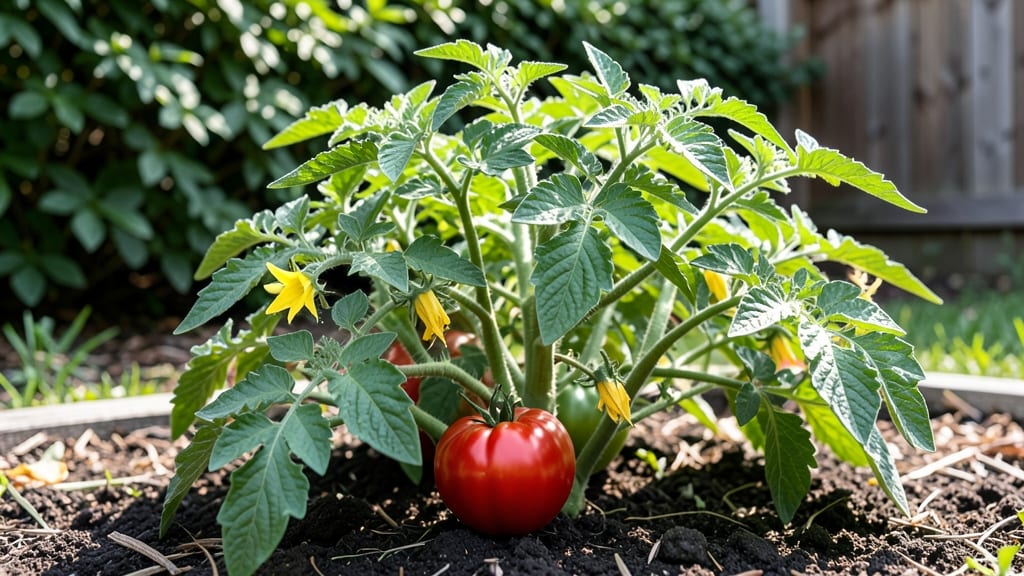
Growing a beefsteak tomato plant means slicing into juicy, 1-pound fruits that put store-bought tomatoes to shame. 🌱 I've grown these giants for years, and the secret isn't fancy equipment—it's matching their needs to their wild, vine-y nature.
These aren't your grandmother's tomatoes; they're the kind that make you pause mid-bite because the flavor is so intense. The first rule is sunlight: beefsteaks demand 6-8 hours of direct sun daily, no excuses.
My first attempt failed when I planted them in partial shade—the vines grew tall but produced tiny, bland fruits. Then I moved them to full sun, and within weeks, the difference was stunning.
The plants also need room to sprawl: either a sturdy cage or trellis (I use a 6-foot-tall tomato tower) or let them sprawl freely in a corner of the garden. By mid-July, you'll see the first pound-plus tomatoes forming, and they keep producing until frost.
The key is consistent watering—deep soaks 2-3 times per week—and pruning to focus energy on fruit production. I snip suckers (those little shoots in the leaf axils) weekly, and the plants reward me with heavier, sweeter tomatoes than I'd ever find in a grocery store.
Works for backyard gardens, container growers (with 5-gallon pots), or even balcony setups. Here's how to make it happen—no green thumb required.
📚 In This Guide
- What you need
- Instructions
- Tips and common mistakes
- Wrapping up and next steps
What you need
- ● Beefsteak tomato seeds or seedlings: Choose disease-resistant varieties like ‘Brandywine,’ ‘Cherokee Purple,’ or ‘Big Beef.’ You’ll need 1-2 plants per person (or 1 plant per 4 sq ft if growing in a container).
- ● Containers or garden bed: For containers: A 5-gallon pot or larger (minimum 12-18 inches deep) with drainage holes. 1-2 plants per container.
- ● For in-ground planting: A sunny spot with well-draining soil (full sun, 6-8+ hours/day). Space plants 2-3 feet apart.
- ● High-quality potting mix or garden soil: 1 bag (1.5-2 cubic feet) for containers or amend your garden soil with compost (aim for 2-3 inches mixed in).
- ● Tomato cages or stakes: 1 sturdy 5-6 ft cage or 2-3 ft stakes per plant to support the heavy vines.
- ○ Slow-release fertilizer (optional but recommended): A balanced 10-10-10 or tomato-specific fertilizer (follow package rates).
- ● Mulch: Straw or shredded leaves (2-3 inches) to retain moisture and suppress weeds.
- ● Garden trowel or shovel for planting.
- ● Watering can or hose with a gentle spray nozzle (beefsteak tomatoes need 1-2 inches of water/week).
- ● Pruning shears for trimming suckers and dead leaves.
- ● Plant ties or soft twine to secure vines to supports.
- ○ pH test kit (optional) – Aim for 6.0-6.8 soil pH.
- ○ Shade cloth (optional) for young plants if your climate has intense afternoon sun.
How to grow a thriving beefsteak tomato plant
Here's the method I've used for years to grow beefsteak tomatoes that burst with flavor and feed a family.
🌱 Step 1: Start Seeds Indoors at the Right Time
Begin seeds 6-8 weeks before your last frost date—this ensures plants are robust enough to handle outdoor conditions by early summer. I use biodegradable peat pots filled with sterile seed-starting mix, planting 2 seeds per pot at a depth of ¼ inch. The key is warmth: place pots on a seedling heat mat set to 75-85°F until germination.
Keep the soil consistently moist but never soggy—you'll know it's right when the surface feels damp to the touch but doesn't glisten. Cover the tray with a humidity dome until sprouts appear (7-10 days), then remove it immediately to prevent damping-off. You'll see the first true leaves emerge as small, rounded shapes—this is your signal to start hardening off.
☀️ Step 2: Provide Light and Nutrients for Strong Seedlings
Beefsteak tomatoes need 14-16 hours of light daily from the moment they sprout. A south-facing window rarely provides enough intensity, so I use a full-spectrum LED grow light positioned 2-4 inches above the seedlings. Adjust the light height as plants grow to maintain that gap—too close causes leaf burn, too far leads to leggy growth.
Once seedlings show their first true leaves (the second set after the initial cotyledons), fertilize lightly with a balanced liquid fertilizer diluted to half strength. Overfertilizing at this stage burns tender roots. You'll know they're thriving when stems are thick and sturdy, not spindly.
🪴 Step 3: Transplant Outdoors After Hardening Off
Two weeks before your last frost, begin hardening off by placing seedlings outside in a sheltered spot for 1-2 hours daily. Gradually increase their outdoor time over 10-14 dayscompost for nutrients.
Stake each plant immediately with a 6-foot tomato cage or bamboo stake, tying the main stem loosely to the support. Beefsteak vines grow aggressively, so securing them early prevents breakage. Water deeply at the base after transplanting to encourage root establishment—you'll see new growth within 7-10 days.
✂️ Step 4: Prune and Support for Maximum Fruit Production
Prune suckers (the small shoots that form in the leaf axils) regularly to direct energy into fruit production. Remove any leaves touching the soil to prevent disease, and trim back foliage to improve air circulation. You'll notice the plant's main stem thickens as it focuses on producing larger beefsteak tomatoes.
Fertilize every 2-3 weeks with a tomato-specific fertilizer high in phosphorus and potassium. Water at the base in the morning to avoid fungal issues, and mulch with straw to retain moisture. When flowers appear, gently shake the plant daily to aid pollination—this boosts fruit set dramatically.
🍅 Step 5: Harvest at Peak Ripeness for Juiciest Tomatoes
Harvest beefsteak tomatoes when they're fully colored and slightly soft to the touch. Use pruning shears to avoid damaging the vine, and pick in the morning when sugars are at their peak. You'll know they're ready when the stem slips easily from the vine—this ensures the fruit continues ripening off the plant.
Store harvested tomatoes at room temperature, out of direct sunlight, for 3-5 days. For long-term storage, refrigerate whole tomatoes (not cut ones) and bring them to room temperature before eating—they'll taste juicier and more flavorful. With proper care, one beefsteak plant yields enough for 4 servings weekly throughout the season.
Tips & tricks for perfect beefsteak tomato growth
These game-changing insights will help you cultivate beefsteak tomatoes that rival commercial produce—without the guesswork.
Seed Starting Wisdom: The 6-8 week indoor period isn't just about timing—it's about creating ideal germination conditions. I've found that placing your seed trays on a heat mat at 75-85°F isn't just warm enough—it's the perfect temperature range to trigger consistent germination. Pro tip: If your home stays below 70°F, consider using a seedling heat mat with a built-in thermostat to maintain that critical warmth. This consistency makes all the difference in preventing uneven germination rates.
Lighting Strategy: That 14-16 hours of daily light requirement is non-negotiable for beefsteak tomatoes, but here's what nobody tells you—the light spectrum matters just as much as duration. Full-spectrum LED grow lights aren't just about brightness; they mimic sunlight's complete spectrum, which beefsteak varieties need to develop their signature deep red coloring and rich flavors. Position your lights 2-4 inches above seedlings and adjust as they grow—you'll notice the leaves develop a vibrant green hue rather than the pale, leggy growth that indicates insufficient light.
Transplanting Technique: When you're ready to transplant those hardened-off seedlings, here's a trick I learned the hard way: dig your planting holes twice as wide as the root ball, but don't make them deeper. The extra width encourages roots to spread outward rather than growing in a tight circle, which is exactly what you want for those heavy beefsteak fruits. Mix in compost right in the hole—this creates a nutrient-rich zone that roots will naturally seek out during establishment. You'll see new growth appearing within 7-10 days as roots establish in this perfect environment.
Pruning Precision: The suckers you prune away aren't just unnecessary growth—they're energy vampires that divert resources from your main fruit production. I've found that using clean, sharp pruning shears (disinfected with rubbing alcohol) makes all the difference in preventing disease transmission. Focus your pruning efforts on removing suckers that appear in the leaf axils below the first flower cluster—this directs all the plant's energy into developing those large, juicy beefsteak tomatoes you're growing them for. You'll notice the main stem thickens noticeably as it focuses its resources on fruit production rather than vegetative growth.
Pro Tips for Beefsteak Tomato Plant
- These game-changing insights will help you cultivate beefsteak tomatoes that rival commercial produce—without the guesswork.
- Seed Starting Wisdom: The 6-8 week indoor period isn't just about timing—it's about creating ideal germination conditions.
- Lighting Strategy: That 14-16 hours of daily light requirement is non-negotiable for beefsteak tomatoes, but here's what nobody tells you—the light spectrum matters just as much as duration.
Frequently asked questions
Got questions about growing beefsteak tomato plants? You’re not alone! Here are answers to the most common queries to help you grow like a pro.
How long does it take for beefsteak tomatoes to grow?
Beefsteak tomatoes typically take 60–90 days from transplanting to harvest, depending on your climate and growing conditions. Start seeds indoors 6–8 weeks before the last frost for a head start. With warm weather and proper care, you can enjoy juicy, vine-ripened tomatoes by midsummer!
What’s the best temperature for beefsteak tomato plants?
Beefsteak tomatoes thrive in warm temperatures (70–85°F during the day), but they need consistent warmth—avoid planting until soil temps reach 55°F+. Cold snaps (<50°F) can stunt growth, while extreme heat (>90°F) may cause blossom drop. Use row covers or shade cloth if needed to protect young plants.
Why aren’t my beefsteak tomatoes ripening?
If your tomatoes stay green or small, check these common culprits:
- Insufficient sunlight: Beefsteak varieties need 6–8+ hours of direct sun daily.
- Nutrient deficiencies: Feed with a balanced fertilizer (10-10-10) or compost every 3–4 weeks.
- Blossom end rot: Caused by calcium deficiency—water consistently and add crushed eggshells to soil.
- Temperature stress: Extreme heat or cold can halt ripening.
Can I grow beefsteak tomatoes in containers?
Beefsteak tomatoes love containers—just choose a 5-gallon+ pot with drainage holes. Use a lightweight potting mix and a cage or trellis for support (their vines can grow 6+ feet tall). Place containers in full sun and water deeply 2–3 times per week.
What’s a good alternative if beefsteak tomatoes don’t thrive?
If your climate or space limits beefsteak success, try these large, flavorful alternatives:
- Brandywine: Heirloom with pasta-sized slices and sweet flavor.
- Cherokee Purple: Deep red, meaty tomatoes with less cracking.
- Sungold: Smaller but explosively sweet (great for containers).
- Roma: Smaller but high-yielding for sauces.
Wrapping up and next steps
Growing a beefsteak tomato plant is a rewarding journey that delivers heirloom-sized, flavor-packed rewards in just 90 days! With the right soil, sunlight, and care, you’ll enjoy juicy, vine-ripened tomatoes straight from your garden—perfect for burgers, salads, or sharing with neighbors. 🌱
Ready to take the next step? Start by sketching your garden layout or gathering your supplies—then plant those seeds or seedlings and watch your tomato tower bloom! 🌟 Happy growing!