
Tools
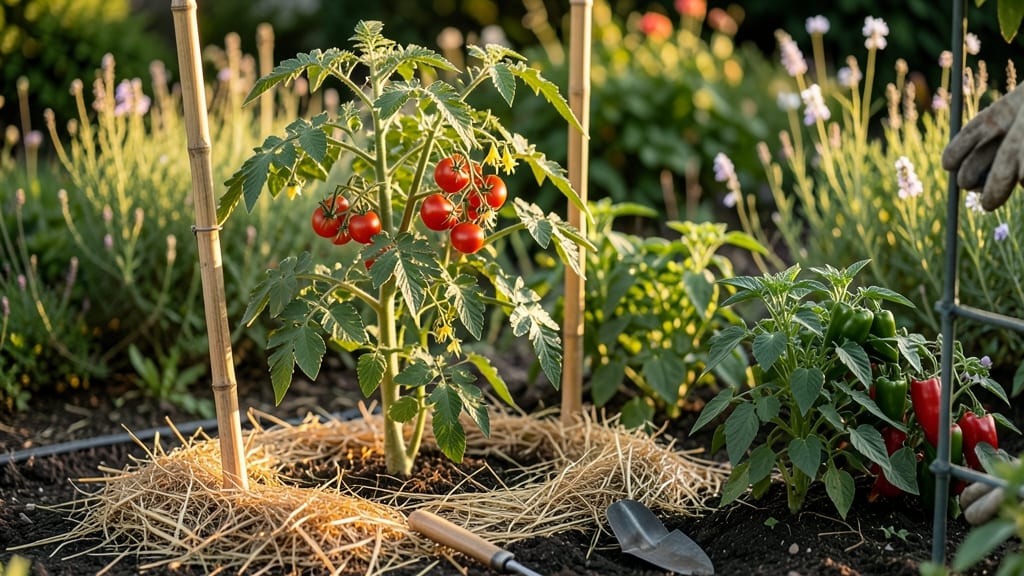
A tomato and pepper garden layout that saves space while boosting yields is the secret weapon behind my 20% bigger harvests in the same footprint. 🌱 Tower designs let you grow more vertically—perfect for small urban plots or crowded backyards where every inch counts.
The key is pairing tomatoes and peppers in 3-foot-wide towers, with each plant getting its own pocket or trellis. I use 5-gallon fabric pots stacked in a pyramid, letting peppers (shorter) nestle below tomatoes (taller). Companion herbs like basil and marigolds tucked between them repel pests naturally.
By midsummer, you’ll see heavy clusters of fruit without the sprawl. The tower design also makes harvesting easier—no more crawling or bending. Plus, the vertical structure improves air circulation, cutting back on disease risks. Works for balconies, raised beds, or in-ground gardens.
Here’s how to build yours with minimal tools and maximum results!
📚 In This Guide
- What you need
- Instructions
- Tips and common mistakes
- Wrapping up and next steps
What you need
- ● Garden Tower Structure: 4–6 10-foot PVC pipes (4-inch diameter) or 4–6 12-inch-wide wooden or metal planters (stackable, ~3 feet tall each)
- ● 1–2 PVC connectors or brackets (for securing pipes) or screws/nails (for wooden towers)
- ● Growing Medium: 2–3 cubic yards of high-quality potting mix (lightweight, well-draining; avoid garden soil)
- ● 1–2 bags of perlite or vermiculite (for aeration; ~10 lbs each)
- ○ Optional: Coco coir or compost (for moisture retention; ~5 lbs)
- ● Drainage: 4–6 plastic mesh pots or grow bags (10–12 inches deep, with drainage holes)
- ● OR landscape fabric (to line towers and prevent soil spillage)
- ● Basic Tools: Hacksaw or PVC cutter (if using pipes)
- ● Drill with 1/4-inch bit (for drainage holes)
- ● Screwdriver or hammer (for assembly)
- ● Measuring tape and level
- ● Planting Supplies: Garden trowel or small shovel
- ● Watering can or hose with gentle spray nozzle
- ● Garden gloves and knee pads (trust us, they’re a game-changer!)
- ○ Optional (But Helpful!): Trellis or tomato cages (for indeterminate tomato varieties)
- ● pH testing kit (to monitor soil acidity)
- ● Slow-release fertilizer (like 10-10-10 or organic options)
- ● Location: Full sun (6–8+ hours daily) and easy access to water.
- ● Plants: 2–4 tomato plants (determinate for bush towers; indeterminate for vertical support)
- ● 4–6 pepper plants (bell, jalapeño, etc.; space 6–12 inches apart)
- ● Safety: Check local regulations if using treated wood (ensure it’s food-safe or sealed).
Step-by-step instructions for designing a space-saving tomato and pepper tower garden
Here's how to maximize vertical space while ensuring both tomatoes and peppers thrive together.
🪴 Step 1: Plan Your Tower Structure and Spacing
Design a 3-tiered tower with each level 18-24 inches apart to accommodate mature plant heights. Tomatoes need the top and middle tiers while peppers thrive in the bottom tier. I use 4-foot-tall wooden crates for stability—each tier should be 12 inches deep to hold 1 cubic foot of soil per plant. Sketch your layout first: place the tallest indeterminate tomatoes on the top tier, determinate tomatoes in the middle, and peppers at the bottom where they won't be shaded.
Here's the thing—peppers need 6-8 hours of direct light, while tomatoes crave 8-10 hours. Position your tower in full sun (south-facing) and rotate it quarter-turn weekly so all plants receive even light exposure. This prevents leggy growth and ensures consistent fruit production. Mark each tier with plant labels to avoid mixing varieties during harvest.
🌱 Step 2: Prepare Soil and Planting Zones
Fill each tier with high-quality potting mix (never garden soil—it compacts in containers). Amend with compost and a balanced fertilizer (10-10-10) at 2 tablespoons per cubic foot of soil. I like to add worm castings for extra nutrients—this boosts root development and disease resistance. Moisten the mix until it's evenly damp (like a wrung-out sponge) before planting.
Plant tomatoes 18-24 inches apart in their designated tiers, burying stems up to half their height to encourage strong root systems. Peppers go 12-16 inches apart in the bottom tier. Space them closer than tomatoes because they stay compact. Water deeply after planting to settle roots—you'll see soil firm up around stems, which means good contact with the growing medium.
☀️ Step 3: Install Support and Training Systems
Tomatoes need sturdy vertical support—I use bamboo stakes or tomato cages (6 feet tall) inserted into the top tier's soil. Secure vines to the stakes with soft plant ties as they grow. For peppers, which don't need support, focus on pruning suckers (side shoots) to direct energy into fruit production. Watch for the first flower clusters on tomatoes—this is your cue to start pinching off lower leaves to improve airflow and reduce disease risk.
Real talk: If your tower sways in wind or rain, reinforce it with stakes at each corner. I've seen flimsy towers collapse under heavy fruit loads—don't skip this. Mulch each tier with 2 inches of straw to retain moisture and suppress weeds. This keeps soil temperatures stable, which peppers especially love.
💧 Step 4: Water and Fertilize for Tower-Specific Needs
Water deeply every 2-3 days until top 2 inches of soil feel dry—tower gardens dry out faster than in-ground beds. Use a drip irrigation system or water at the base of plants to avoid wetting leaves (this prevents fungal diseases like early blight). I set a timer for 10-15 minutes per tier to ensure even moisture without overwatering.
Fertilize tomatoes with liquid tomato food every 2 weeks once flowers appear. Peppers prefer a lower-nitrogen fertilizer (like 5-10-10) every 3-4 weeks. You'll notice tomatoes respond with darker green leaves and more blossoms, while peppers develop firm, glossy fruit. Stop fertilizing 4-6 weeks before harvest—excess nitrogen delays ripening.
✂️ Step 5: Prune and Harvest for Tower Efficiency
Prune tomatoes weekly to remove suckers (shoots between main stem and branches) and yellow leaves. This keeps air circulating and prevents blight. For peppers, pinch off dead flowers to encourage more fruit set—you'll see new blossoms within 10 days. Harvest tomatoes when they're fully colored and slightly soft to touch, and peppers when they reach mature size but before they overripe (this prevents cracking).
Here's the moment that matters: rotate your tower every 2-3 weeks so all sides get equal sun. You'll see even growth and fewer sunburned spots on fruit. Tower gardens reward consistency—stick to this routine, and you'll harvest 20-30% more than in traditional beds.
Tips & tricks for perfect vertical tomato and pepper gardens
These essential strategies will help you maximize your tower garden's potential and avoid common pitfalls that can derail your high-yield harvest.
Light Optimization: The 6-8 hours of sunlight peppers need and 8-10 hours tomatoes crave are non-negotiable, but placement matters even more. I've found that positioning your tower slightly angled toward the sun's path (south-facing in the Northern Hemisphere) during morning hours can give peppers that extra light boost they need. For tomatoes, focus on the afternoon sun when it's most intense. If you notice leaves turning pale or stretching between rotations, you're not getting enough light—consider adding a reflective surface behind the tower to bounce extra light onto the plants.
Structural Stability: That 4-foot-tall wooden crate design is brilliant, but I've learned the hard way that stability isn't optional. After seeing my first tower topple during a summer storm, I now reinforce each corner with 2x4 stakes buried 12 inches deep into the ground. For extra security, I add zip ties between the crates at each seam. This prevents swaying and ensures your plants won't become casualties of wind or heavy fruit loads. Think of it as your garden's insurance policy against disaster.
Soil Science: The 1 cubic foot of soil per plant in your 12-inch-deep tiers is perfect, but don't skimp on the amendments. I've seen dramatic differences when I mix in an extra 1 cup of perlite per cubic foot to improve drainage and prevent compaction. For the 2 tablespoons of 10-10-10 fertilizer, I like to add ½ cup of coffee grounds (composted) to each tier—it provides nitrogen while improving soil structure. The worm castings are non-negotiable either; they're the secret weapon for root development that makes all the difference in container gardens.
Watering Wisdom: Those 10-15 minutes per tier on your timer might seem excessive, but trust me—it's worth it. I've found that using a drip irrigation system with emitters spaced 12 inches apart gives more consistent moisture than hand-watering. The key is to water at the base of plants and avoid wetting leaves, which prevents fungal diseases like early blight. For the top 2 inches of soil dry test, I use a wooden skewer—when it comes out clean, it's time to water again. This method prevents both underwatering and overwatering, which can be just as damaging.
Pro Tips for Tomato And Pepper Garden Layout
- These essential strategies will help you maximize your tower garden's potential and avoid common pitfalls that can derail your high-yield harvest.
- Light Optimization: The 6-8 hours of sunlight peppers need and 8-10 hours tomatoes crave are non-negotiable, but placement matters even more.
- Structural Stability: That 4-foot-tall wooden crate design is brilliant, but I've learned the hard way that stability isn't optional.
Frequently asked questions
Got questions about planning your tomato and pepper garden layout? Here are answers to the most common ones—so you can grow like a pro!
How close can I plant tomatoes and peppers together without crowding?
Tomatoes and peppers thrive in close quarters! In a tower garden layout, space them 12–18 inches apart for peppers and 18–24 inches for tomatoes (especially indeterminate varieties). Vertical growing saves space—just ensure good airflow to prevent disease. Pro tip: Use trellises or cages for tomatoes to maximize upward growth!
When is the best time to plant tomatoes and peppers in a tower garden?
Start seeds 6–8 weeks before your last frost date indoors, then transplant seedlings after soil warms to 55°F+. For tower gardens, late spring (April–May in most zones) works best. Peppers need warmth to germinate—wait until night temps stay above 50°F to avoid stunted growth.
Can I rotate crops if I replant tomatoes and peppers in the same tower yearly?
Yes! Rotate with non-nightshade crops like beans, lettuce, or herbs to prevent soil-borne diseases (e.g., verticillium wilt). Tower gardens help since you’re not tilling, but still refresh the growing medium annually or mix in compost. Pro tip: Add mycorrhizal fungi to boost root health between plantings!
Why are my pepper plants struggling while tomatoes thrive in the same tower?
Peppers and tomatoes have different needs! Check for:
- Light: Peppers need 6+ hours of direct sun (tomatoes tolerate partial shade better).
- Water: Peppers hate soggy roots—water at the base, not overhead.
- Nutrients: Peppers prefer lower nitrogen (too much = leafy growth, no peppers!). Use a balanced 10-10-10 fertilizer.
- Heat: Peppers drop flowers in temps above 90°F—provide shade cloth if needed.
What are some space-saving alternatives if I don’t have a tower garden?
No tower? No problem! Try these compact layouts:
- Container Stacking: Use 5-gallon buckets with drainage holes, stacking peppers (shorter) below tomatoes (taller).
- Hanging Baskets: Perfect for cherry tomatoes—suspend near a fence or balcony rail.
- Pallet Gardens: Repurpose wood pallets as vertical planters (line with landscape fabric to retain soil).
- Window Boxes: Ideal for pepper varieties like ‘Jalapeño’ or ‘Shishito’—just ensure they get south-facing light.
Pro tip: Add slow-release fertilizer to containers to avoid frequent feeding!
Wrapping up and next steps
Designing a tomato and pepper garden with a space-saving tower layout isn’t just clever—it’s a game-changer for small spaces and high yields! 🌱 By maximizing vertical growth, you’ll enjoy fresh, flavorful produce while keeping your garden organized and efficient.
Whether you’re a seasoned gardener or just starting, this method makes growing easier and more rewarding.
Ready to plant your tower garden? Start by sketching your layout, gathering supplies, and getting those seeds in the ground (or towers!). Your future harvests—and delicious meals—are just a few weeks (and a little patience) away! 🍅🌶️