
Vegetables
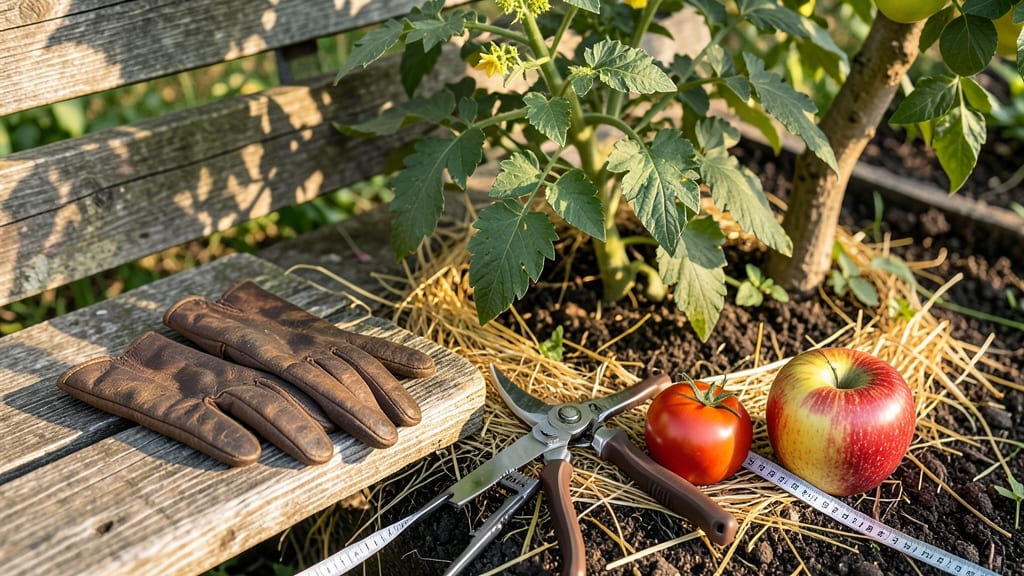
Growing the biggest tomato ever 🍅 isn’t just a gardening flex—it’s an art that turns your backyard into a stage for nature’s heavyweights.
Imagine biting into a tomato so massive it weighs over 2 pounds—this isn’t science fiction, but the reality for gardeners growing record-breaking giant tomato varieties.
If you’ve ever dreamed of cultivating a tomato big enough to rival world records, this guide reveals the secrets behind the biggest tomatoes ever grown.
Most gardeners settle for pint-sized fruits, but the key to giant tomatoes lies in soil science, strategic pruning, and variety selection. We’re talking Beefsteak and Brandywine—heirlooms bred for sheer size, not just flavor.
With the right techniques, even small gardens can produce tomatoes that make grocery store finds look like pebbles.
Ready to turn your spring planting into a harvest of monsters? I’ll walk you through the proven methods—from trellising to fertilization—that transform ordinary tomatoes into yardstick-sized giants you’ll brag about at the farmers’ market.
Record-breaking tomato varieties that exceed 2 pounds
Growing a tomato over 2 pounds isn’t just a gardening fantasy—it’s an achievable goal with the right varieties and techniques. These massive tomatoes require optimal growing conditions, including rich soil, consistent watering, and strategic pruning.
The varieties I’ll highlight have proven themselves in backyard gardens and competitive growing circles, producing fruits that rival world records.
For gardeners chasing giant tomato yields, the key lies in selecting heirloom and beefsteak varieties bred for size. These tomatoes thrive in warm climates but can also excel in container gardens with proper care.
Let’s explore the top contenders that consistently break the 2-pound barrier and how to cultivate them.
| Variety | Fruit Weight | Growth Habit | Sun Needs | Best For |
|---|---|---|---|---|
| Big Beef | 2-4 lbs | Indeterminate | Full sun (8+ hrs) | Containers, trellises |
| Siberian | 3-5 lbs | Indeterminate | Full sun (6+ hrs) | Cold climates, long seasons |
| Black Krim | 1.5-3 lbs | Indeterminate | Full sun (7+ hrs) | Flavor, disease resistance |
| Brandywine | 1-2.5 lbs | Indeterminate | Full sun (8+ hrs) | Heirloom flavor, slicing |
| Cherokee Purple | 1.5-3 lbs | Indeterminate | Full sun (6+ hrs) | Unique color, rich taste |
Big Beef is my go-to for container growing because it produces 2-4 pound tomatoes on a compact plant. This variety thrives with consistent moisture and benefits from staking or caging to support its heavy fruit. Its disease resistance makes it ideal for gardeners in humid climates.
The Siberian variety is a cold-hardy giant, capable of producing 3-5 pound tomatoes even in shorter growing seasons. I’ve seen it flourish in USDA Zone 4 with proper mulching and row covers. This variety’s indeterminate growth means it will keep producing until frost, making it a favorite for northern gardeners.
Black Krim tomatoes are prized for their deep purple-black skin and intense flavor. While they typically weigh 1.5-3 pounds, their disease resistance and adaptability to cooler temperatures make them a reliable choice. I recommend growing them in well-draining soil with a balanced fertilizer to maximize size.
If you’re after heirloom quality, Brandywine delivers with 1-2.5 pound fruits that burst with flavor. This variety needs full sun exposure and regular pruning to channel energy into fruit production. I’ve found that hand-pollination on cloudy days helps ensure larger fruits.
Cherokee Purple is another flavorful giant, producing 1.5-3 pound tomatoes with a deep purple hue. Its sweet, smoky taste makes it worth the extra care. This variety performs best in warm climates but can be grown in cooler areas with season extension techniques like row covers.
For all these varieties, soil preparation is critical. Amend your soil with compost and aged manure before planting to ensure nutrient-rich conditions. I also recommend using a time-release fertilizer to provide steady nutrients throughout the growing season.
Remember, pruning is key for giant tomatoes. Remove suckers regularly to direct energy toward fruit production rather than foliage. I prune my plants to 3-4 main stems
Proven techniques to grow a 2-Pound tomato at home
Growing a 2-pound tomato at home requires more than just good luck—it demands precision in care and the right techniques. The key lies in mimicking the ideal conditions these giants thrive in, even in a backyard setting.
By focusing on soil nutrition, pruning strategies, and climate control, you can coax your tomato plants to produce fruit that rivals world records.
First, choose the right tomato variety—heirlooms like 'Big Beef' or 'Brandywine' are proven performers for massive fruit. These varieties need space to grow, so plan for a trellis or cage system that supports their weight.
Without proper support, even the largest tomatoes will split or fall before reaching their full potential.
- 1 Start with nutrient-rich soil: Amend your soil with compost and a balanced fertilizer (10-10-10) before planting. Giant tomatoes need phosphorus and potassium to fuel their growth, so mix in bone meal or banana peel tea for an extra boost.
- 2 Prune aggressively but strategically: Remove suckers (the shoots between the stem and branches) weekly to redirect energy to fruit production. Leave only the strongest branches—aim for 3-4 main stems per plant. This pruning method ensures the plant puts all its energy into growing fewer, larger tomatoes.
- 3 Implement a trellis or cage system: Use a heavy-duty trellis or wooden tomato cage to support the weight of giant fruit. Secure the plant with soft ties to prevent stem damage. A well-supported plant can grow 6+ feet tall and produce tomatoes that weigh over 2 pounds each.
- 4 Water deeply and consistently: Giant tomatoes need 1-2 gallons of water per plant, twice weekly. Water at the base of the plant in the morning to avoid fungal diseases. Mulch around the base to retain moisture and regulate soil temperature, which is critical for fruit development.
- 5 Control the climate: Use row covers or a small greenhouse to extend the growing season and protect against pests or cold snaps. Giant tomatoes thrive in warm temperatures (70-85°F), so monitor heat levels and provide shade cloth during extreme heat to prevent sunscald.
- 6 Hand-pollinate for larger fruit: If your garden lacks bees, use a small paintbrush to transfer pollen from one flower to another. This ensures better fruit set and larger tomatoes. Focus on morning pollination when flowers are open and pollen is most active.
- 7 Harvest at peak ripeness: Wait until the tomato is fully colored and slightly soft to the touch before picking. Use pruning shears to avoid damaging the stem. Harvesting at the right time ensures the tomato reaches its maximum size and flavor potential.
One of the biggest mistakes gardeners make is over-fertilizing with nitrogen, which promotes leafy growth at the expense of fruit size. Instead, focus on a balanced fertilizer with equal parts nitrogen, phosphorus, and potassium.
You can also supplement with calcium-rich amendments like eggshells to prevent blossom-end rot, a common issue with giant tomatoes.
Patience is key—giant tomatoes take 75-90 days to reach maturity, and the largest specimens often form later in the season. By following these techniques, you’ll create the perfect environment for your tomatoes to grow into true giants, even in a small garden space.