
How To
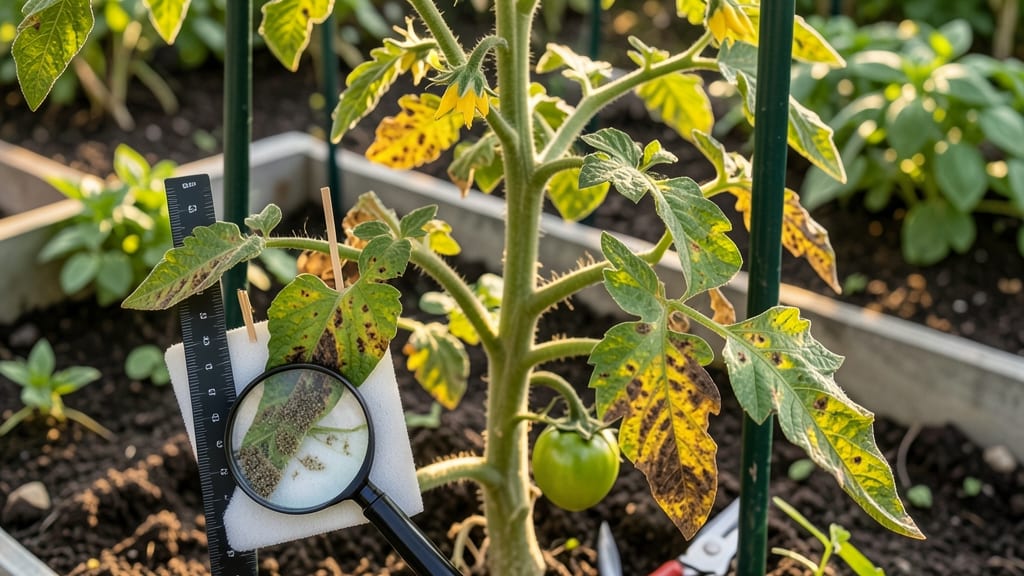
Blotchy tomato leaves can turn your summer harvest into a struggle—those ugly yellow splotches and crinkled edges mean trouble. 🌱 I’ve seen this ruin entire plants in just a few weeks, but the good news? You can stop it fast with the right moves.
The key is catching it early and knowing whether you’re dealing with fungus, bugs, or just too much sun. Most cases start with early blight (brown spots with yellow rings) or late blight (greasy-looking lesions that spread fast).
Nutrient issues or sunscald can mimic these problems, so first check the undersides of leaves—if you see fuzzy mold or dark streaks, that’s your clue. Prune infected foliage immediately and toss it in the trash (not compost), because those spores hitchhike back into your garden.
Once you’ve identified the issue, act fast: copper fungicide for blight, neem oil for fungal spots, or shade cloth if it’s sun damage. For prevention, space plants properly (18–24 inches apart) and water at the base—not overhead—to keep leaves dry. A mulch layer also blocks spore splash from soil.
The worst part? Waiting too long. If half the plant is a mess, pull it and disinfect your tools with 70% rubbing alcohol. Your next tomatoes will thank you—no more blotchy disasters!
Hidden Culprits Behind Leaf Spots
Blotchy, discolored tomato leaves aren’t just an eyesore—they’re a cry for help from your plants. Understanding the root causes is the first step to restoring those lush, healthy leaves. Below, we break down the most common triggers, backed by science, so you can diagnose and act fast.
Fungal diseases like early blight (Alternaria solani) and late blight (Phytophthora infestans) are the top villains behind blotchy tomato leaves. These pathogens thrive in warm, humid conditions and spread via spores, often landing on leaves after rain or overhead watering.
- Early Blight: Starts as small, dark spots with concentric rings (like a bullseye) and turns brown or gray as it spreads. Leaves may yellow and crisp at the edges. - Late Blight: Causes greasy, dark spots that spread rapidly, often leading to wilting and death of foliage.
This one is especially aggressive in cool, wet weather. - Other Fungi: Powdery mildew (white, powdery patches) or septoria leaf spot (tiny dark speckles) can also cause blotching.
Why it happens: Fungi spores lurk in soil, plant debris, or even on tools. When conditions are right—high humidity, poor airflow, or wet leaves—they germinate and infect your plants. Weakened plants (from stress, poor nutrition, or overcrowding) are prime targets.
Tomatoes hate soggy feet. Overwatering or compacted, waterlogged soil creates the perfect breeding ground for fungi and bacteria, while also starving roots of oxygen. Blotchy leaves often appear as a secondary symptom of root stress.
- Symptoms: Leaves may develop yellow or brown patches, especially near the edges, and feel mushy or limp to the touch.
- Why it happens: Excess moisture softens plant tissues, making them vulnerable to infections. Poor drainage forces roots to suffocate, weakening the plant’s immune response.
Red flags:
- Soil stays wet for more than a day after watering.
- Leaves wilt even when the soil is moist.
- Roots appear black or rotten when inspected.
Tomatoes love sunlight, but extremes can scorch or stress them, leading to blotchy, crispy, or yellowed leaves.
- Sunburn: Intense midday sun (especially in hot climates) can cause white or brown patches on leaves, particularly on the upper sides.
This is common in young plants or those suddenly exposed to full sun. - Heat Stress: High temperatures (above 90°F/32°C) disrupt photosynthesis, leading to yellowing between leaf veins (a condition called chlorosis). - Cold Damage: Frost or chilly nights can cause dark, water-soaked spots that later turn brown.
Why it happens: Plants have a hard time regulating water loss in extreme heat, leading to cellular damage. Cold snaps can rupture cell walls, while sudden temperature swings confuse their growth cycles.
While pests like aphids, spider mites, or whiteflies don’t directly cause blotches, their feeding habits weaken leaves, making them susceptible to secondary infections or nutrient deficiencies.
- Aphids: Leave sticky honeydew residue, which attracts sooty mold (a black, fuzzy fungus).
- Spider Mites: Create stippled, yellow or brown patches as they pierce cells to feed.
- Whiteflies: Their excretions promote fungal growth, leading to blotchy, discolored leaves.
Why it happens: Pests disrupt the plant’s ability to absorb water and nutrients. Their saliva can also introduce harmful bacteria or viruses, further stressing the plant.
Blotchy leaves can signal a deficiency in magnesium, nitrogen, or potassium, or even toxicity from excess salts or minerals.
- Magnesium Deficiency (Interveinal Chlorosis): Leaves develop yellow patches between veins, starting on older leaves.
This is often called "crinkle leaf" in tomatoes. - Nitrogen Deficiency: Causes overall yellowing (chlorosis) but may appear as blotchy, pale patches. - Potassium Deficiency: Leaves develop brown or black spots, especially along edges, and may curl or cup. - Toxicity: Over-fertilizing (especially with synthetic salts) or poor-quality water can cause leaf burn, appearing as brown, crispy blotches.
Why it happens: Improper soil pH, compacted soil, or inconsistent feeding disrupts nutrient uptake. Tomatoes are heavy feeders and need balanced nutrition to thrive.
Overzealous fertilizing or using harsh chemicals (like herbicides or fungicides) can cause leaf damage that mimics disease symptoms.
- Fertilizer Burn: Excessive salts from synthetic fertilizers or manure can scorch leaves, creating brown or yellow blotches, often with crispy edges.
- Herbicide Drift: If nearby weeds are sprayed, tomatoes can absorb residual chemicals, leading to irregular leaf spots.
- Hard Water: High calcium or chlorine in tap water can accumulate in soil, causing toxicity over time.
Why it happens: Chemicals disrupt cellular function, leading to tissue death. Plants can’t "dilute" toxins like animals can, so damage becomes visible quickly.
Sometimes, blotchy leaves are simply the result of mechanical injury—like hail, strong winds, or even rough handling during transplanting.
- Symptoms: Irregular brown or black spots that don’t follow a pattern (unlike disease spots). Leaves may feel rough or torn.
- Why it happens: Physical trauma breaks cell walls, making leaves vulnerable to infections or further damage.
Not sure what’s causing the blotches? Use this table to narrow it down:
| Symptom | Likely Cause | Key Clues |
|---|---|---|
| Bullseye spots | Early blight fungus | Concentric rings, brown centers |
| Greasy, spreading spots | Late blight fungus | Rapid wilting, cool/wet conditions |
| White powdery patches | Powdery mildew | Fuzzy texture, thrives in dry heat |
| Yellow between veins | Magnesium deficiency | Older leaves first, veins stay green |
| Brown edges + curling | Potassium deficiency | Weak stems, poor fruit development |
| Sticky residue + sooty mold | Aphids or whiteflies | Honeydew, ants attracted to sap |
| Crispy, sunken patches | Sunburn or heat stress | Upper leaves, hot/dry conditions |
Fixing Blotchy Tomato Leaves Fast
Blotchy tomato leaves can turn your garden from lush to lackluster in no time, but don’t worry—most issues have simple fixes. Below, we’ll break down the most common causes of yellowing or crinkling foliage and provide step-by-step solutions to restore your plants to peak health.
Prevention tips are included so you can keep your tomatoes thriving long-term!
If your leaves have dark, irregular blotches (often with yellow halos), a fungal or bacterial infection like early blight, late blight, or Septoria leaf spot could be the culprit.
🔥 Step 1: Remove Infected Leaves
- 🍳 Snip off any leaves with spots using sterilized pruners (wipe with rubbing alcohol between cuts).
- 👨🍳 Dispose of them in the trash (not compost)—fungi and bacteria spread easily.
- ⏰ Do this in the morning so leaves dry quickly, reducing moisture that fuels spores.
🍅 Step 2: Apply Fungicide
- 💡 Pro Tip: Use a copper-based fungicide (like Bordeaux mixture) or a baking soda spray (1 tsp baking soda + 1 quart water + a few drops of dish soap).
- 🎯 Spray both sides of leaves and the stems, focusing on the lower foliage (where spores often hide).
- ✨ For severe cases, repeat every 7–10 days until new growth appears healthy.
🌡️ Step 3: Improve Airflow & Watering
- 🌡️ Space plants 18–24 inches apart to prevent humidity buildup.
- 💧 Water at the base (not overhead) and early in the day so leaves dry by evening.
- 🌿 Avoid mulching too close to stems—keep it 2–3 inches away to prevent rot.
Pale, yellow blotches (especially between veins) often signal magnesium (Mg), nitrogen (N), or iron (Fe) deficiencies.
🔪 Step 1: Test Your Soil
- 📊 Grab a soil test kit (available at garden centers) to confirm deficiencies.
- 💪 If magnesium is low, Epsom salt (1 tbsp per gallon of water) sprayed on leaves works fast.
- 🥗 For nitrogen, use a balanced fertilizer (10-10-10) or compost tea.
🍎 Step 2: Fix pH Issues
- 🌡️ Tomatoes thrive in slightly acidic soil (pH 6.0–6.8).
- 🔥 If soil is too alkaline (pH >7.0), add sulfur or peat moss to lower pH.
- 🎯 If too acidic (pH <5.5), mix in lime (follow package rates).
✨ Step 3: Feed Regularly
- 🌱 Side-dress with compost or worm castings every 4–6 weeks.
- 💡 Pro Tip: Use fish emulsion (high in nitrogen) for a quick boost to yellowing leaves.
Soggy soil leads to root rot, causing leaves to yellow and wilt in blotchy patches.
🔥 Step 1: Check Drainage
- 🍳 Stick your finger 2 inches into soil—if it’s damp after 24 hours, you’re overwatering.
- 👨🍳 Plant tomatoes in well-draining soil (mix in perlite or sand if needed).
- ⏰ Water deeply but infrequently—aim for 1–1.5 inches per week (adjust for rain).
🍅 Step 2: Adjust Watering Habits
- 💧 Drip irrigation or soaker hoses (instead of sprinklers) keep roots happy and foliage dry.
- 🌡️ Avoid wet leaves—water at the base and early in the day.
- 🌿 If pots are the issue, add drainage holes and use terracotta pots (they wick away moisture).
🔪 Step 3: Revive Stressed Roots
- 💡 Pro Tip: If roots are mushy (sign of rot), trim damaged roots with sterilized scissors and repot in fresh, dry soil.
- ✨ Add mycorrhizal fungi (available as powder) to help roots recover faster.
Too much sun, heat, or wind can scorch leaves, leaving them bleached or crispy in patches.
🌱 Step 1: Provide Shade
- 🍳 If growing in hot climates (above 90°F), use shade cloth (30–50%) during peak afternoon sun.
- 👨🍳 Row covers or cloches (bell-shaped covers) work well for young plants.
🍅 Step 2: Protect from Wind
- 💧 Windbreaks (like trellises or tall plants) shield tomatoes from drying gusts.
- ⏰ Stake or cage tomatoes early to prevent flopping in windy conditions.
🌡️ Step 3: Mulch to Retain Moisture
- 🌡️ Straw or wood chips keep soil cool and reduce evaporation.
- 🎯 Reflective mulch (like aluminum foil) can reduce heat stress in extreme climates.
- 💡 Rotate crops—don’t plant tomatoes in the same spot yearly to prevent soil-borne diseases.
- 🔥 Start with healthy seedlings—buy from reputable nurseries or grow from disease-resistant varieties (like ‘Mountain Merit’ or ‘Celebrity’).
- 🌱 Monitor regularly—check leaves weekly for early signs of stress.
- ✨ Keep tools clean—sterilize pruners and pots between uses to avoid spreading pathogens.
With these fixes, your tomato plants should bounce back in 2–4 weeks, giving you juicy, blemish-free fruits in no time! 🍅🔥
Frequently asked questions
Why do my tomato leaves get blotchy even when I water them regularly?
Blotchy leaves with regular watering often signal fungal infections like early blight or nutrient deficiencies. Check for brown spots with yellow rings (early blight) or yellow patches between veins (magnesium deficiency). Fungi thrive in humid conditions, so improve airflow by spacing plants 18–24 inches apart and watering at the base—not overhead.
Can I save my tomato plant if half the leaves are blotchy and crispy?
It depends! If the blotches are from fungus, prune infected leaves immediately and apply copper fungicide or baking soda spray. For sunburn, provide afternoon shade. However, if more than 50% of the plant is affected by disease, it's safer to remove it to prevent spread to other plants. Always sterilize your tools with 70% rubbing alcohol.
What's the difference between early blight and late blight on tomato leaves?
Early blight shows as brown spots with yellow rings that spread slowly, while late blight creates greasy, dark spots that spread rapidly and often cause wilting. Early blight thrives in warm weather, while late blight loves cool, wet conditions. Both require immediate action—remove infected leaves and apply fungicide, but late blight spreads faster and can destroy plants in days.
Will Epsom salt fix blotchy tomato leaves caused by fungus?
No, Epsom salt helps with magnesium deficiency (yellow patches between veins) but won't treat fungal infections. For blotches caused by fungus, use copper fungicide or a baking soda spray instead. Mix 1 tablespoon Epsom salt per gallon of water for magnesium issues, but only if you've ruled out disease first.
How can I prevent blotchy leaves in my container-grown tomatoes?
Use pots with drainage holes and terracotta material to prevent soggy soil. Water only when the top 1–2 inches of soil are dry and avoid overhead watering. Add 2–3 inches of mulch to retain moisture and prevent temperature swings. Choose disease-resistant varieties like 'Mountain Merit' and rotate containers yearly to prevent soil-borne diseases.