
Leaf Blower
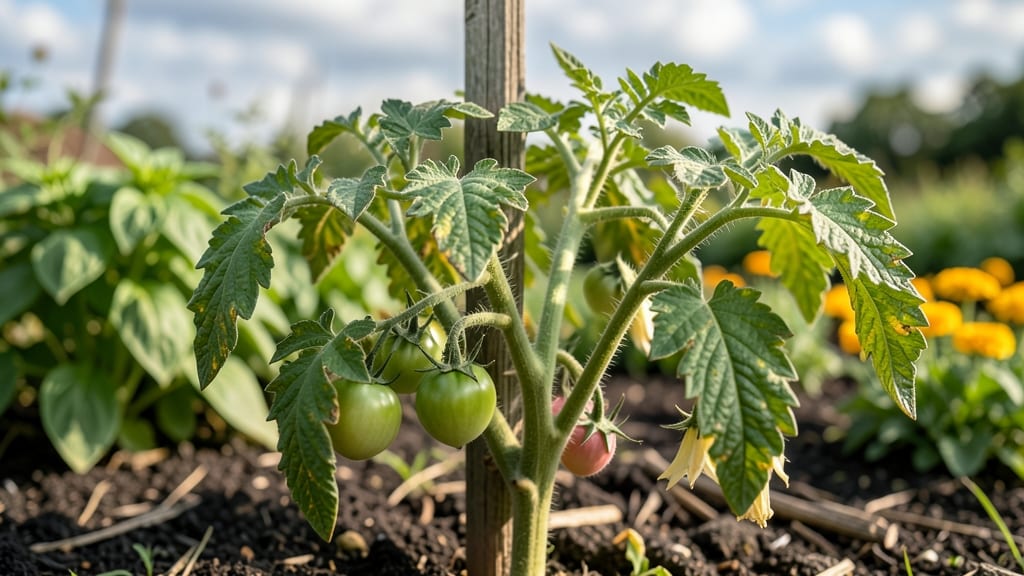
Seeing the tomato leaf curl downward isn’t a death sentence—it’s a fixable signal. 🌱 I’ve seen this happen from heat stress to viral infections, and the right response can save your entire plant.
The key is identifying the cause first, because what works for nutrient deficiency won’t help a tomato with tomato yellow leaf curl virus.
Most cases stem from environmental stress—too much sun, inconsistent watering, or sudden temperature swings. I’ve revived plants by adjusting watering to deep but infrequent sessions and providing afternoon shade during heatwaves. For nutrient issues, a balanced fertilizer with extra potassium (like 5-10-10) often turns things around in 7-10 days.
If pests like spider mites are to blame, a strong spray of neem oil or insecticidal soap can stop the damage within 3-5 days. The worst cases—viral infections—require removing infected plants immediately to protect your whole garden.
The good news? Healthy plants bounce back faster than you’d expect with the right care.
Prevention is easier than fixing: mulch to keep roots cool, water at the base (not overhead), and rotate crops yearly to break disease cycles. This trick has saved dozens of my plants over the years—don’t let curled leaves stress you out.
Root Causes Of Leaf Curl
Tomato leaves curling downward can be frustrating, but understanding the underlying causes helps you take precise action. Below, we break down the most common triggers—from environmental stress to hidden pests—and explain the science behind each.
🦠 Tomato Leaf Curl Virus (ToLCV) is the most notorious culprit behind downward-curling leaves. Spread by whiteflies, this virus disrupts the plant’s vascular system, causing:
- Stunted growth (due to blocked nutrient transport)
- Leaf curling (as cells swell abnormally)
- Thickened veins (a hallmark of viral infection)
Why it happens: The virus hijacks plant cells, forcing them to produce abnormal proteins. This disrupts the ethylene hormone, which normally regulates leaf shape—leading to that classic downward curl.
💡 Pro Tip: If you spot whiteflies (tiny white insects), quarantine infected plants immediately. Neem oil or insecticidal soap can help control spread.
🌡️ Extreme temperatures (heatwaves or cold snaps) or sudden wind can cause leaves to curl as a protective response.
Here’s how: - Heat stress: High temps (>90°F) cause osmotic imbalance, making leaves wilt and curl downward to reduce water loss. - Cold damage: Frost or chilly nights disrupt cell membrane integrity, leading to curling and discoloration. - Windburn: Strong gusts dehydrate leaves, triggering a defensive curl to minimize exposure.
Why it happens: Plants release abscisic acid (ABA), a stress hormone, which signals leaves to curl and conserve moisture or protect delicate tissues.
✨ Solution: Use shade cloth in summer or row covers in spring to moderate conditions. Mulch helps regulate soil temps.
📊 Micronutrient imbalances—especially potassium, magnesium, or nitrogen—can cause curling. Here’s the breakdown: - Potassium deficiency: Leaves curl downward and inward, especially at the edges.
Potassium regulates water movement and enzyme activity; without it, cells lose turgor pressure. - Magnesium deficiency: Older leaves curl upward first, then downward, because magnesium is vital for chlorophyll production.
Without it, leaves yellow (chlorosis) before curling. - Nitrogen shortage: Leaves curl and turn pale green/yellow because nitrogen is essential for protein synthesis and leaf expansion.
Why it happens: Deficiencies disrupt osmotic balance in cells, causing water to leak out and leaves to lose rigidity.
🎯 Fix It: Test your soil and amend with:
- Potassium: Banana peel tea or greensand
- Magnesium: Epsom salt (1 tbsp/gallon of water)
- Nitrogen: Compost tea or blood meal
💦 Soggy roots from overwatering or compacted soil lead to root rot, which:
- Strangles oxygen supply to roots
- Triggers ethylene production (a gas that causes leaf curling)
- Disrupts nutrient uptake, mimicking deficiency symptoms
Why it happens: Anaerobic (oxygen-lacking) soil forces roots to release stress hormones, including ethylene, which warps leaf structure.
🔥 Quick Fix: Improve drainage with:
- Perlite or vermiculite in pots
- Raised beds for garden plants
- Drip irrigation (avoid overhead watering)
🐜 Sap-sucking pests like aphids, spider mites, or whiteflies inject toxins while feeding, causing:
- Curling (as leaves try to "seal" themselves)
- Sticky residue (honeydew) from their waste
- Yellowing or browning between veins
Why it happens: These pests disrupt plant hormones, including auxins (which control growth) and cytokinins (which regulate cell division). The result? Abnormal leaf development and downward curling.
👨🍳 Action Plan:
- Blast pests off with a strong spray of water.
- Introduce beneficial insects (ladybugs, lacewings).
- Use insecticidal soap (follow label rates).
🚫 Glyphosate (Roundup) or other broadleaf herbicides can drift onto tomato plants, causing:
- Leaf curling and cupping (as cells die or grow abnormally)
- Bleeding or scorched edges
- Stunted new growth
Why it happens: Herbicides disrupt cell division and protein synthesis, leading to malformed leaves. Even low doses can trigger ethylene overproduction, causing downward curl.
🔪 Prevention:
- Avoid spraying herbicides when tomatoes are flowering or fruiting.
- Use physical barriers (mulch, cardboard) to block drift.
- Opt for vinegar-based herbicides (less likely to harm tomatoes).
How to Fix Wilted Tomato Plants
Reviving your tomato plants when leaves curl downward starts with identifying the root cause—but once you know the issue, the fixes are often simpler than you think.
Below are targeted solutions for the most common culprits, along with prevention tips to keep your plants thriving. Let’s get those leaves perking up again!
If your tomato plants are soggy at the roots or sitting in waterlogged soil, their leaves will curl downward as a distress signal. Here’s how to correct it:
Step-by-Step Fix:
- 👨🍳 Stop Watering Immediately Let the top 1–2 inches of soil dry out before watering again. Overwatering suffocates roots and invites fungal diseases.
- 🥘 Improve Soil Drainage Amend heavy or compacted soil with compost, perlite, or coarse sand to create air pockets. For container plants, ensure pots have drainage holes.
- ⏰ Adjust Your Watering Schedule Water deeply once or twice a week (depending on climate) rather than daily shallow waterings. Early morning is best to prevent fungal growth.
- 🌱 Prune Damaged Foliage Snip off yellow or mushy leaves with clean shears to redirect energy to healthy growth.
💡 Prevention Tip: Use a moisture meter or the "finger test" (stick your finger 1–2 inches into the soil) to gauge when watering is needed. Mulch around plants to retain moisture without over-saturating the soil.
Tomato leaves curling downward in scorching heat or intense afternoon sun is a classic sign of stress. Here’s how to cool them down:
Step-by-Step Fix:
- 🌿 Provide Shade Cloth If temperatures exceed 90°F (32°C), drape 30–50% shade cloth over plants for a few hours daily. This prevents leaf scorch while still allowing light penetration.
- 💦 Boost Hydration Water deeply at the base in the early morning to keep roots cool. Avoid wetting leaves to reduce evaporation.
- 🎯 Adjust Plant Placement Move potted tomatoes to a slightly shadier spot (e.g., under a trellis or near a north-facing wall). For in-ground plants, use reflective mulch (like white plastic) to bounce light away.
- 🍅 Prune for Airflow Thin out crowded foliage to improve air circulation, which helps leaves recover faster.
💡 Prevention Tip: Plant tomatoes in late spring or early summer to avoid peak heat. Choose heat-tolerant varieties like ‘Heatmaster’ or ‘Solar Fire’ if you live in a hot climate.
If viruses, aphids, or fungal infections (like early blight or bacterial spot) are to blame, act fast to save your plants:
Step-by-Step Fix:
- 🔪 Isolate Infected Plants Remove and destroy severely affected leaves or plants (don’t compost them!) to prevent spread.
- 🍳 Apply Organic Pesticides
- Aphids/Whiteflies: Spray with neem oil or insecticidal soap (reapply every 5–7 days).
- Fungal Diseases: Use copper fungicide or a baking soda spray (1 tsp baking soda + 1 quart water + a drop of dish soap).
- 🌱 Strengthen Plant Immunity Feed plants with compost tea or fish emulsion to boost resistance. Avoid over-fertilizing with nitrogen, which weakens defenses.
- ✨ Rotate Crops Next Season If viruses (like Tomato Leaf Curl Virus) are the issue, don’t replant tomatoes or peppers in the same spot for 3–4 years.
💡 Prevention Tip: Encourage beneficial insects like ladybugs or lacewings by planting marigolds or basil nearby. Inspect plants weekly for early signs of pests.
Curling leaves can also signal nutrient imbalances, especially potassium or magnesium deficiencies. Here’s how to fix them:
Step-by-Step Fix:
- 🥗 Test Your Soil Use a home soil test kit to check pH and nutrient levels. Tomatoes thrive in slightly acidic soil (pH 6.0–6.8).
- 💪 Apply the Right Fertilizer
- Potassium Deficiency (Brown Edges): Use potassium-rich fertilizer (like banana peel tea or greensand).
- Magnesium Deficiency (Yellow Between Veins): Sprinkle Epsom salt (1 tbsp per gallon of water) every 2 weeks.
- 🌱 Avoid Over-Fertilizing Too much nitrogen causes soft, weak growth prone to curling. Stick to a balanced 10-10-10 or 5-10-10 fertilizer.
💡 Prevention Tip: Side-dress plants with compost or worm castings mid-season for a slow-release nutrient boost. Avoid synthetic fertilizers, which can burn roots.
Final Thought: Most cases of downward-curling tomato leaves are fixable with quick adjustments—whether it’s tweaking water habits, shielding from heat, or a little TLC for pests. Act fast, and your plants will bounce back stronger than ever! 🌱🍅
Frequently asked questions
Why do tomato leaves curl downward suddenly?
Sudden downward curling often signals heat stress, overwatering, or pest infestations. Heat above 90°F (32°C) triggers osmotic stress, while soggy roots from overwatering release ethylene gas, causing leaves to curl as a distress response. Check for tiny white insects (whiteflies) or webbing (spider mites) on undersides.
Can tomato leaf curl downward be fixed if it's from a virus?
Unfortunately, viral infections like Tomato Leaf Curl Virus (ToLCV) have no cure—once infected, plants won’t recover. The best action is to remove infected plants immediately and destroy them (don’t compost). Prevent future outbreaks by controlling whiteflies with neem oil and rotating crops yearly.
How often should I water tomatoes to prevent leaf curling?
Water deeply 1-2 times per week (depending on climate) rather than daily shallow waterings. Let the top 1-2 inches of soil dry between waterings—overwatering suffocates roots and triggers curling. Use drip irrigation at the base to avoid wetting leaves, which reduces evaporation and fungal risks.
What's the difference between heat stress and nutrient deficiency curling?
Heat stress curls leaves downward and inward (like a "cup"), often with dry, crispy edges, while nutrient deficiencies (like potassium) cause brown, brittle edges that curl downward and outward. Check soil pH—tomatoes need 6.0-6.8. For deficiencies, use Epsom salt (magnesium) or banana peel tea (potassium).
Will pruning curled leaves help my tomato plant recover?
Yes! Pruning severely curled or yellow leaves redirects energy to healthy growth. Use clean shears to snip at the base of the stem—avoid tearing leaves. Focus on removing bottom leaves first to improve airflow. For mild curling, prune 10-20% of foliage; for severe cases, remove up to 30% to reduce stress.