
Vegetables
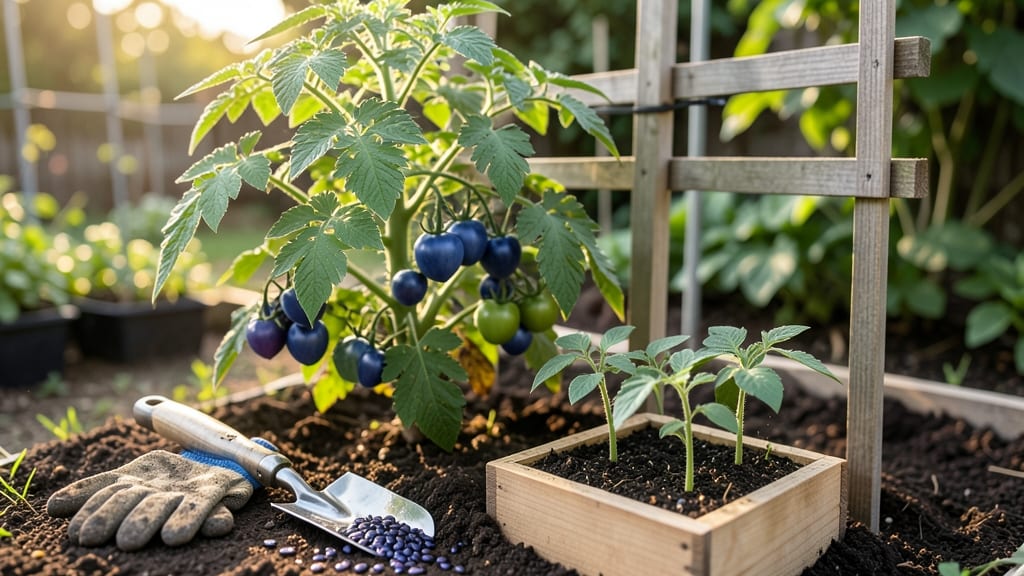
Growing blue tomatoes from seeds unlocks a rare, jewel-toned harvest unlike anything you’ll find in stores. 🌱 These heirloom varieties—like 'Indigo Rose' or 'Blue Beauty'—pack the same sweet, tangy flavor as red tomatoes but with stunning violet-blue skins that fade to pink as they ripen.
The key to success starts with germination: getting those tiny seeds to sprout strong, fast, and ready for transplant in just 7 days.
Most gardeners struggle with slow germination or weak seedlings, but blue tomato seeds thrive when you mimic their natural tropical environment. Warmth, moisture, and indirect light are non-negotiable—think of it as creating a mini greenhouse on your countertop.
You’ll need a seed-starting tray, high-quality seedling mix, and a spray bottle to keep things consistently damp without drowning the seeds. Patience pays off when those first true leaves appear.
Once sprouted, these vines grow aggressively, so plan for sturdy cages or trellises to support their weight. Blue tomatoes need full sun (6+ hours daily) and consistent moisture, but avoid soggy soil—their roots are sensitive to rot.
The real magic happens when you taste the fruit: crisp, juicy, and packed with antioxidants that deepen as they ripen. Expect your first harvest in 70-80 days from seed.
This rare variety rewards careful attention, but the payoff—vibrant vines laden with unusual fruit—makes every extra step worth it. Whether you’re a heirloom collector or just love a challenge, these seeds deliver a harvest that’ll turn heads at farmers’ markets. Ready to grow something extraordinary?
📚 In This Guide
- What you need
- Instructions
- Tips and common mistakes
- Wrapping up and next steps
What you need
- ● Ready to grow your own blue tomato seeds into vibrant, high-yielding plants in just 7 days? Here’s everything you’ll need to kickstart your journey—from must-haves to handy extras!
- ● Pro tip: 💡 Pre-soak your seeds in warm water for 4–6 hours before planting to jumpstart germination!
Step-by-Step instructions for germinating blue tomato seeds
Here’s how I coax those deep purple-blue tomatoes from tiny seeds in just a week.
🌱 Step 1: Soak Seeds Overnight for Faster Germination
Place your blue tomato seeds in a small bowl and cover them with lukewarm water—just enough to fully submerge them. Let them soak for 12-24 hours while you prepare your growing setup. The reason? The seed’s outer coating slows germination, and soaking softens it considerably. You’ll know they’re ready when the seeds swell slightly and feel plump to the touch.
Drain the water carefully through a fine mesh strainer or paper towel before planting. Never let them dry out at this stage—dried seeds can take 2-3 weeks to sprout instead of days. I like to label my seeds with the variety name and date to avoid confusion later.
💧 Step 2: Prepare Containers and Plant in Moist, Warm Soil
Fill your seed-starting trays with a lightweight, sterile seed-starting mix—never garden soil, which can harbor diseases. Press the soil down gently to remove air pockets, then moisten it until it feels like a damp sponge. You want it to hold moisture without being soggy.
Plant your soaked seeds ¼ inch deep, spacing them about 1 inch apart in each cell. Tap the soil lightly around them to ensure good contact. I use a toothpick to create small holes—it’s precise and avoids crushing the seeds. Cover the tray with a clear plastic lid or plastic wrap to trap warmth and humidity.
☀️ Step 3: Provide Warmth and Indirect Light
Place your tray on a seedling heat mat set to 75-85°F—this mimics the warm soil conditions seeds crave. Without this, germination can take 2-3 weeks instead of 5-7 days. Keep the tray in a spot with bright, indirect light—a south-facing window works, but avoid direct sun, which can overheat the soil.
Check the soil daily but only mist the surface if it feels dry. Condensation inside the lid keeps humidity high, but you don’t want the soil to stay waterlogged. You’ll see the first sprouts in 3-5 days—tiny white roots breaking through the soil surface.
🌿 Step 4: Thin Seedlings and Transition to Stronger Light
Once seedlings reach 1 inch tall, remove the lid and thin them so only the strongest seedling remains in each cell. Use clean scissors to snip the weaker ones at soil level—this prevents disturbing the roots of the ones you’re keeping. You’ll notice the remaining seedlings perk up within hours.
Move them under a grow light set to 14-16 hours of light daily, keeping it 2-3 inches above the plants. Without enough light, seedlings stretch toward the source (a sign of legginess) and become weak. Strong seedlings have thick stems and dark green leaves.
⏰ Step 5: Harden Off Before Transplanting
Two weeks before your last frost date, start hardening off your seedlings by placing them outside in a sheltered spot for 1-2 hours the first day. Gradually increase their outdoor time by 1 hour daily until they can handle a full day. This toughens their stems and leaves, preparing them for the garden.
Transplant on a cloudy day or in the late afternoon to reduce stress. Bury seedlings deeper than they were in pots—the buried stem will develop roots, creating a stronger plant. Water deeply at the base to settle the soil and encourage root growth.
Tips & tricks for germinating blue tomato seeds
Real talk: Those tiny blue tomato seeds might look fragile, but with these tricks, you'll turn them into thriving plants in just seven days.
Soaking Strategy: The 12-24 hour soak isn't just about hydration—it's about breaking the seed's dormancy barrier. I like to add a drop of hydrogen peroxide (3%) to the soaking water to prevent fungal growth, especially if your seeds are older. After soaking, gently pat them dry between paper towels before planting. This prevents mold while keeping them moist enough to germinate quickly.
Heat Mat Hack: That 75-85°F range on your seedling heat mat is critical—it's the sweet spot for tomato seed germination. If you don't have a heat mat, place your tray on top of your refrigerator (not inside) for consistent warmth. Pro tip: Use an infrared thermometer to check the actual soil temperature—many heat mats run hotter than their settings suggest.
Light Transition Tip: When moving seedlings from indirect light to grow lights in Step 4, don't rush it. Start with 6 hours of grow light on day 1, then gradually increase by 2 hours daily until you reach 14-16 hours. This gradual transition prevents shock and leggy growth. I've seen seedlings go from healthy to stretched in just 24 hours when moved too quickly!
Transplanting Secret: The "bury deeper" advice in Step 5 works because tomato stems can develop roots along their entire length. When transplanting, make sure the soil line from your seed tray is at least 1 inch below the final soil level. This buried stem will anchor your plant and create a stronger root system before you even notice it growing.
Pro Tips for Blue Tomato Seeds
- Real talk: Those tiny blue tomato seeds might look fragile, but with these tricks, you'll turn them into thriving plants in just seven days.
- Soaking Strategy: The 12-24 hour soak isn't just about hydration—it's about breaking the seed's dormancy barrier.
- Heat Mat Hack: That 75-85°F range on your seedling heat mat is critical—it's the sweet spot for tomato seed germination.
Frequently asked questions
Got questions about growing blue tomato seeds? You’re not alone! Here are answers to the most common queries to help you cultivate vibrant, purple-hued tomatoes with ease.
How long do blue tomato seeds take to germinate?
With the right conditions (warmth, moisture, and light), blue tomato seeds typically sprout in 5–7 days. For faster results, soak seeds overnight in warm water before planting. Keep soil consistently moist (not soggy) and maintain temperatures between 70–85°F for optimal germination.
Can I plant blue tomato seeds outdoors in cold weather?
Nope! Blue tomatoes are tropical plants and hate cold. Wait until nighttime temperatures stay above 50°F (usually after the last frost) or start seeds indoors 6–8 weeks before the last frost date. Use grow lights if natural light is weak. Patience pays off—these beauties thrive in warmth!
Are blue tomatoes as easy to grow as regular tomatoes?
Yes, but with a few tweaks! They need full sun (6–8 hours/day) and well-draining soil rich in organic matter. Stake or cage vines early—they grow fast and heavy. Watch for blossom end rot (calcium deficiency) and amend soil with crushed eggshells or lime if needed. Once established, they’re low-maintenance superstars!
What if my blue tomato seeds don’t sprout?
Don’t panic! Try these fixes:
- Check moisture: Too dry? Mist seeds lightly. Too wet? Let soil dry slightly between waterings.
- Test depth: Seeds should be ¼ inch deep—not buried too deep.
- Warmth check: Use a seedling heat mat if your home runs cool.
- Freshness: Old seeds (2+ years) may fail. Try a new packet!
Can I save seeds from blue tomatoes for next year?
Technically yes, but expect color variations—blue tomatoes are heirlooms, and seed-saving can alter traits. For true blue results, buy fresh seeds annually. If you’re curious, let a tomato fully ripen on the vine, scoop out seeds, ferment them in water for 3 days, then dry and store. Pro tip: Label them “Year 2024” to avoid mix-ups!
Wrapping up and next steps
Growing blue tomato seeds into thriving vines in just 7 days is totally within your reach—with the right techniques and a little patience! 🌱 By mastering germination secrets like warmth, moisture, and proper lighting, you’ll unlock the potential for vibrant, flavorful harvests.
Whether you’re a seasoned gardener or a curious beginner, these steps make it simple and rewarding.
Ready to dive in? Start today! Grab your supplies, follow the tips, and watch those seeds sprout into something extraordinary. Happy growing—your future blue tomatoes are waiting! 🌿