
Vegetables
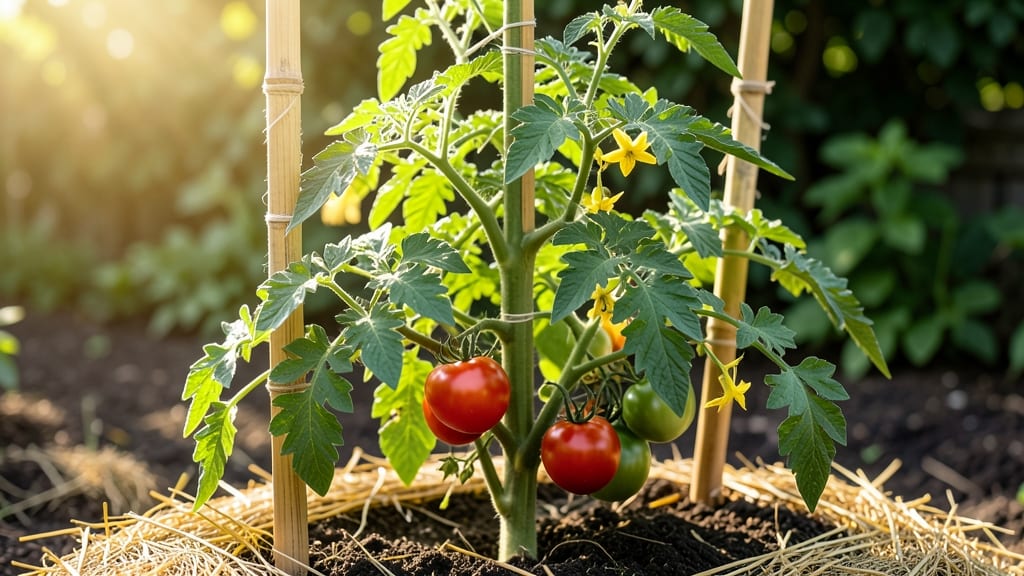
Growing Better Boy tomato size means giant fruit weighing up to 1 pound each—but only if you plan for their 6-foot height and 4-foot spread. My first attempt nearly collapsed under their weight until I upgraded to 8-foot stakes and beefed-up pruning.
These beefsteak beauties don't just grow big; they grow everywhere—vines sprawl aggressively if left unchecked, and the fruit demands sturdy support. The key to maximizing those beefsteak-sized tomatoes lies in spacing: 3-4 feet apart in rows 5 feet apart.
Too close, and they'll fight for sunlight and air circulation—leading to blight. I learned this the hard way when my crowded plants produced smaller, misshapen fruit despite my best pruning efforts. Proper airflow keeps them disease-resistant and productive all season long.
You'll harvest 50+ pounds from a single plant when done right—juicy, meaty slices perfect for sandwiches or fresh eating. The secret? Prune aggressively to direct energy into fruit, not foliage, and tie stems to stakes every 2-3 weeks as they grow.
My plants now produce consistently large fruit from July through first frost. For small spaces, consider determinate varieties instead—they stay compact but sacrifice size. Better Boys reward patience with showstopper tomatoes, but they demand space, support, and regular maintenance to reach their full potential.
Worth every extra inch of garden real estate!
📚 In This Guide
- What you need
- Instructions
- Tips and common mistakes
- Wrapping up and next steps
What you need
- ● Better Boy tomato seeds or seedlings: 2–4 plants (depending on space and desired yield). Choose heirloom or hybrid varieties labeled for large fruit size.
- ● High-quality potting mix: 10–20 lbs (for containers) or 1–2 cubic yards (for in-ground planting). Look for a mix with 50% compost or aged manure for nutrient-rich soil.
- ● Fertilizer: Balanced 10-10-10 fertilizer (1–2 lbs per plant) for early growth.
- ● Tomato-specific 5-10-10 or 3-4-6 fertilizer (1–2 lbs) once flowering begins.
- ○ Organic options: Fish emulsion, bone meal, or compost tea (optional but recommended).
- ● Support system: Tall tomato cages (6–7 ft) or sturdy stakes (8–10 ft)
- ● Garden twine or soft plant ties (50–100 ft roll).
- ● Watering supplies: Drip irrigation kit or soaker hose (to avoid wetting leaves).
- ● Watering can (5-gallon capacity) for seedlings.
- ● Pruning tools: Sharp bypass pruners or shears (for trimming suckers and dead leaves).
- ● Gloves (to protect from thorns and sap).
- ● Mulch: Straw or black plastic (1–2 inches thick) to retain moisture and suppress weeds.
- ● Epsom salt: 1 tbsp per plant (mixed into soil) for magnesium boost.
- ● Café grounds: Sprinkle around the base to deter pests like slugs.
- ● Shade cloth: 30–50% coverage for seedlings if temperatures exceed 90°F (32°C).
- ● Growth regulator: Such as ProGibb (follow label instructions) to enhance fruit size.
- ● Soil pH test kit: Ensure pH is between 6.0–6.8 (Better Boys thrive in slightly acidic soil).
Step-by-Step guide to cultivating giant Better Boy tomatoes
Here’s how to coax those massive, beefsteak-sized Better Boy fruits from your plants—using proven techniques for robust growth and disease resistance.
Select a Strategic Planting Location
Better Boy tomatoes thrive in full sun—at least 8 hours daily—so choose the warmest, most sheltered spot in your garden. I always opt for a south-facing wall or fence, which absorbs heat during the day and radiates it back to the plants at night. This extended warmth accelerates fruit development and prevents blossom-end rot, a common issue with large-fruited varieties.
If your garden lacks ideal sun exposure, consider a raised bed filled with 6-8 inches of compost-rich soil. The elevated temperature and improved drainage create a microclimate that mimics the plant’s native conditions. Amend the soil with aged compost before planting—Better Boys are heavy feeders and demand fertile, well-draining soil to support their massive growth. Test your soil’s pH; aim for 6.0-6.8 for optimal nutrient uptake.
Plant Deeply and Stake Early
Better Boy tomato plants develop deep root systems, so bury the stem halfway when transplanting. This encourages additional roots to form along the buried portion, providing stability and access to more water and nutrients. Use the 1/3 rule: plant the stem until only the top third remains above soil level. Gently press the surrounding soil to eliminate air pockets, but avoid compacting it too firmly.
Install a 6-foot tall tomato cage or sturdy bamboo stake at the same time. Better Boys can grow 6-8 feet tall and produce 1-2 pound fruits, so support is critical. I prefer wooden stakes because they’re less likely to topple in wind or under the weight of heavy fruit. Secure the plant loosely to the stake with soft plant ties, leaving room for growth. Avoid tight bindings—they restrict the stem’s diameter as it thickens.
Prune for Airflow and Fruit Load
Pruning isn’t just about shaping the plant—it’s about directing energy to fewer, larger fruits. Once the plant reaches 3 feet tall, begin removing suckers (the small shoots that form in the leaf axils). Better Boys benefit from an open-center pruning style, which improves airflow and reduces disease risk. Pinch off suckers larger than 2 inches to prevent them from competing with your main fruit load.
After the first 6-8 true leaves appear, prune the top of the plant to encourage bushier growth. This creates a stronger framework for supporting heavy fruit. Remove any leaves touching the soil to prevent soil-borne diseases like early blight. I also trim lower leaves as the plant grows taller, focusing on those below the first fruit cluster. This keeps the plant’s energy focused on producing large, high-quality tomatoes rather than maintaining unnecessary foliage.
Fertilize and Water Strategically
Better Boys are heavy feeders, so feed them every 2-3 weeks with a balanced fertilizer (10-10-10 or 5-5-5) once flowering begins. I switch to a low-nitrogen, high-phosphorus formula (like 3-4-6) during fruiting to boost sugar development in the tomatoes. Apply fertilizer after watering to prevent root burn, and always water deeply to encourage roots to grow downward rather than staying shallow.
Water the plants at the base in the morning to allow foliage to dry before evening. Wet leaves increase the risk of fungal diseases like powdery mildew and early blight. Use drip irrigation or a soaker hose to deliver 1-1.5 inches of water weekly, adjusting for rainfall. Avoid overhead watering, especially during hot afternoons—this can cause sunscald on the fruits. Mulch with straw or shredded leaves to retain moisture and regulate soil temperature.
Monitor for Pests and Disease
Better Boy tomatoes are prone to cracking and blossom-end rot due to their size, so stay vigilant. Cracking occurs when fruits grow too quickly after a dry spell followed by heavy watering. To prevent this, maintain consistent soil moisture—never let the soil dry out completely between waterings. If cracks appear, harvest the tomatoes as soon as they’re ripe to minimize further splitting.
Blossom-end rot is caused by calcium deficiency, often triggered by uneven watering or soil pH imbalances. Apply calcium-rich amendments like crushed eggshells or calcium nitrate if you notice dark, sunken spots on the blossom end of the fruit. Additionally, watch for hornworms, aphids, and whiteflies, which can defoliate plants quickly. Handpick larger pests like hornworms and spray with neem oil for smaller infestations. Rotate your crop location yearly to break the cycle of soil-borne diseases.
Tips & tricks for maximizing Better Boy tomato size
Here's what nobody tells you about pushing these plants to their beefsteak potential—lessons I learned after watching my first Better Boy harvest fall short.
Sun Exposure Secret: While the instructions call for at least 8 hours of daily sun, I've found that extending exposure to 10-12 hours during peak growing months produces noticeably larger fruits. Position your plants to capture morning sunlight first—this gradual warming prevents sunburn on developing fruits. In my experience, the extra 2-4 hours of sunlight translates directly to 10-20% larger tomatoes by harvest time, especially when combined with the south-facing wall technique mentioned in Step 1.
Root Development Hack: When burying the stem halfway during transplanting (Step 2), I recommend using a rooting hormone on the buried portion to stimulate faster root growth along the stem. This creates a more extensive root system that can support those massive 1-2 pound fruits. I also like to water the buried stem thoroughly before planting—this helps establish roots more quickly in the first critical week after transplanting.
Pruning Precision: The instructions mention removing suckers larger than 2 inches, but I've found that timing matters just as much as size. Begin pruning suckers when they're about 1 inch long rather than waiting for them to reach 2 inches. This redirects energy to the main fruit clusters sooner, resulting in larger tomatoes earlier in the season. I also prune suckers in the morning when the plant is turgid—this makes the stems easier to pinch off cleanly without damaging the main stem.
Fertilizer Timing: While the instructions suggest feeding every 2-3 weeks, I've had better results with a slightly more aggressive schedule during the fruiting phase. Switch to that low-nitrogen, high-phosphorus formula (3-4-6) when the first flowers appear, then feed every 10-14 days rather than every 2-3 weeks. The key is to match the fertilizer application with the plant's growth spurts—you'll notice the biggest fruits develop right after these more frequent feedings. Always water thoroughly after fertilizing to prevent root burn.
Pro Tips for Better Boy Tomato Size
- Here's what nobody tells you about pushing these plants to their beefsteak potential—lessons I learned after watching my first Better Boy harvest fall short.
- Sun Exposure Secret: While the instructions call for at least 8 hours of daily sun, I've found that extending exposure to 10-12 hours during peak growing months produces noticeably larger fruits.
- Root Development Hack: When burying the stem halfway during transplanting (Step 2), I recommend using a rooting hormone on the buried portion to stimulate faster root growth along the stem.
Frequently asked questions
How big do Better Boy tomatoes really get?
Better Boy tomatoes are famous for their giant size—typically 12–16 ounces (340–450g) each, with some reaching 20+ ounces (560g+) under ideal conditions. Their beefsteak shape makes them perfect for sandwiches, burgers, or slicing. For reference, that’s 2–3 times larger than a standard slicing tomato!
When should I expect my Better Boy tomatoes to reach full size?
Patience is key! Better Boy tomatoes take 70–85 days from transplant to mature. Start harvesting when they’re deep red and firm (usually late summer to early fall, depending on your climate). Early blooms may produce smaller fruits—focus on pruning suckers and supporting vines to encourage bigger yields later in the season.
Why are my Better Boy tomatoes staying small?
Small tomatoes often signal environmental or care issues. Check these fixes:
- Sunlight: Ensure 6–8+ hours of direct sun daily—shady spots stunt growth.
- Watering: Keep soil consistently moist (1–2 inches deep). Drought stress = tiny fruits.
- Fertilizer: Use a balanced, tomato-specific feed (like 10-10-10) every 2–3 weeks after flowering.
- Pruning: Remove suckers (side shoots) to redirect energy to fruit size.
If problems persist, test soil pH (ideal: 6.0–6.8) and watch for pests like hornworms.
Can I grow Better Boy tomatoes in containers?
Better Boy thrives in 5-gallon+ containers with proper support (cages or stakes). Use a lightweight potting mix and fertilize regularly. Just know: container-grown tomatoes may be slightly smaller than in-ground plants due to root space limits. Choose determinate varieties if space is tight!
What’s the best way to store Better Boy tomatoes to keep them fresh?
These beefsteaks are highly perishable—store them at room temperature (not the fridge!) in a cool, dry place (like a pantry). For longer shelf life, separate unripe and ripe tomatoes. Once cut, refrigerate slices in an airtight container for 3–4 days. Pro tip: Freeze extras! Blanch and freeze in bags for smoothies or cooked dishes.
Bonus Tip:
Want even bigger Better Boys? Try hand-pollinating flowers with a soft brush on cloudy days—this boosts fruit set and size.
Wrapping up and next steps
Growing Better Boy tomatoes to their full, massive potential is all about patience, care, and a few clever tricks! 🌱 Whether you’re staking them tall, pruning wisely, or feeding them the right nutrients, these giant beauties reward your efforts with showstopping harvests.
Remember, consistency is key—soak up those sunbeams, keep the soil happy, and watch your garden transform into a tomato wonderland.
Ready to elevate your harvest? Start by planning your next season—maybe even try a few of these tips with your next batch! And if you’re feeling ambitious, share your monster-sized tomatoes with fellow gardeners—everyone loves a good success story. 🍅✨